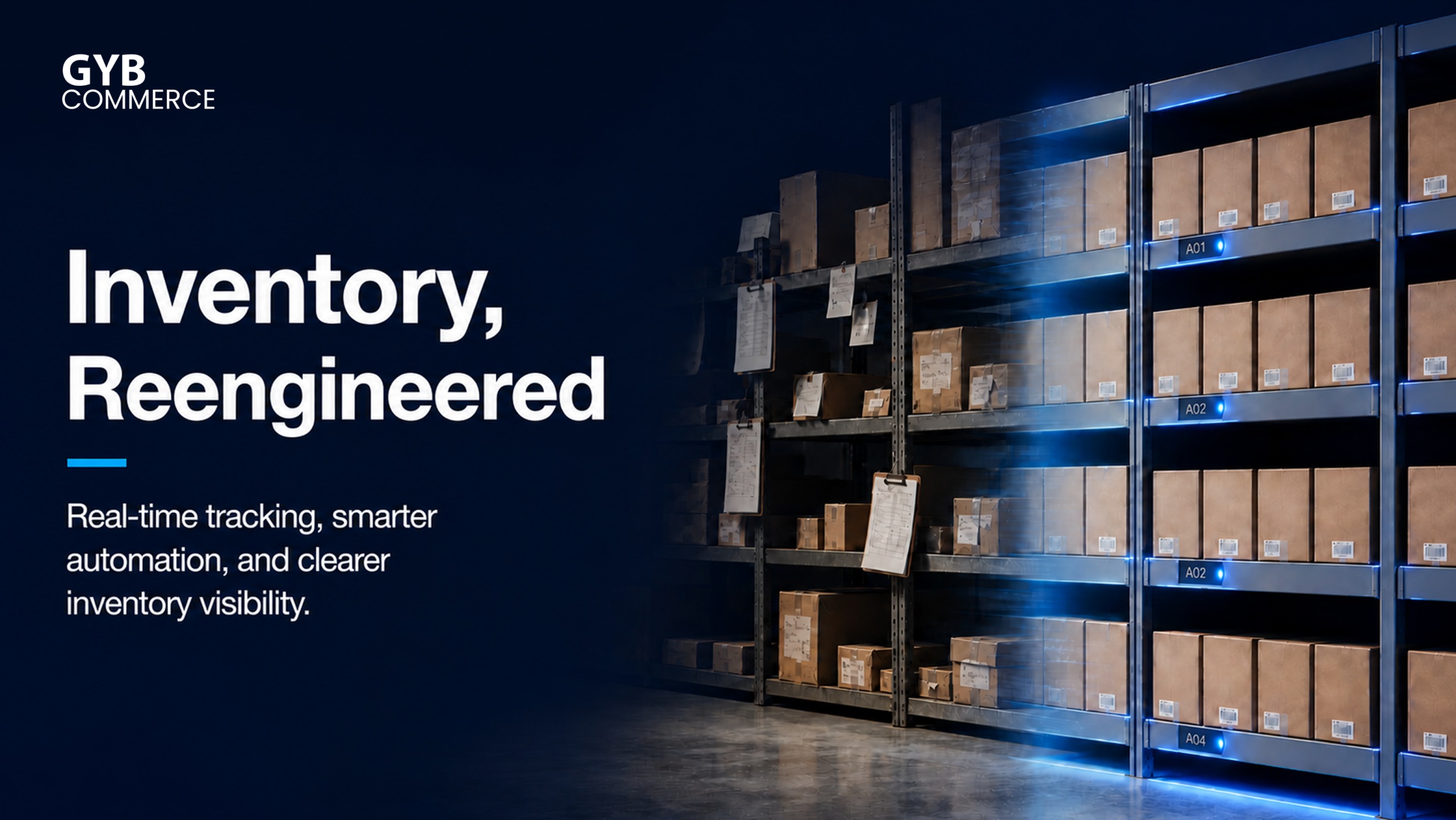
Inventory management has evolved as businesses face increasing demand variability and supply chain complexity. Traditional methods often rely on manual tracking, which leads to delays and errors. These inefficiencies make it difficult to maintain accurate stock levels. As a result, technology is now central to how inventory operations are managed.
Modern inventory systems allow businesses to track, analyze, and optimize stock in real time. Instead of relying on static records, companies can respond to changes as they happen. This shift improves accuracy, reduces operational costs, and supports better decision-making across the supply chain.
Table of Contents
Role of Technology in Modern Inventory Management
Technology has fundamentally changed how inventory is managed across industries. In earlier systems, businesses depended on spreadsheets and disconnected tools. While these methods worked at a smaller scale, they struggle to handle modern operational demands.
Today, inventory management systems integrate multiple processes into a single environment. These systems connect stock tracking, order management, and supply chain data. As a result, businesses gain a more accurate and consistent view of inventory operations.
Shift from Manual to Digital Inventory Systems
One of the most significant changes is the move from manual processes to digital systems. Manual tracking often leads to inconsistencies and delays. In contrast, digital platforms automate workflows and maintain structured records.
This transition reduces human error and improves data accuracy. It also enables businesses to scale operations without increasing complexity. As inventory grows, systems continue to perform efficiently without relying on manual intervention.
System Integration Across Supply Chain Operations
Modern inventory systems do not operate in isolation. They integrate with other business tools such as ERP platforms and order management systems. This integration ensures that data flows across departments without delays.
As a result, inventory decisions are based on unified and up-to-date information. This improves coordination between procurement, warehousing, and fulfillment teams. It also reduces the risk of misalignment across the supply chain.
Key Technologies Used in Inventory Management
A range of technologies now supports inventory management processes. These tools help businesses move from reactive decision-making to more structured and data-driven operations. Each technology plays a specific role in improving accuracy, visibility, and efficiency.
Warehouse Management Systems (WMS)
Warehouse Management Systems act as the operational backbone of inventory management. These systems help manage stock across multiple locations and streamline warehouse workflows. They support functions such as inventory tracking, order fulfillment, and space optimization.
By centralizing operations, WMS platforms improve efficiency and reduce errors. They also provide better visibility into stock movement within warehouses.
Barcode and RFID Tracking Systems
Barcode and RFID technologies are widely used to improve inventory accuracy. These systems allow businesses to track items at different stages of the supply chain. Instead of manual counting, inventory updates happen through automated scanning.
This reduces errors and speeds up stock verification processes. It also ensures that inventory records remain accurate and up to date.
Automation and Robotics in Warehousing
Automation technologies, including robotics, are transforming warehouse operations. These systems handle tasks such as picking, packing, and sorting inventory. By reducing reliance on manual labor, automation improves speed and consistency.
Over time, this leads to lower operational costs and higher accuracy in order fulfillment. It also allows businesses to handle larger volumes without increasing workforce requirements.
Cloud-Based Inventory Platforms
Cloud-based systems allow businesses to access inventory data from any location. These platforms synchronize data across multiple channels and locations. As a result, teams can collaborate more effectively and make faster decisions.
Cloud infrastructure also supports scalability. Businesses can expand operations without needing to overhaul their systems.
Request Free AI Inventory Management Demo
Automation in Inventory Management Operations
Automation is one of the most impactful changes in inventory management practices. Many routine tasks that were once handled manually are now automated. This includes stock updates, order processing, and replenishment decisions.
By reducing manual involvement, automation improves efficiency and consistency. It also minimizes delays and operational bottlenecks.
Automated Stock Tracking and Updates
Automated systems continuously update inventory levels based on real-time data. This eliminates the need for manual stock entry and reduces discrepancies. As a result, businesses maintain more accurate inventory records.
Order Processing and Fulfillment Automation
Technology has streamlined order processing workflows. Systems can automatically process orders, allocate stock, and initiate fulfillment tasks. This reduces processing time and improves accuracy.
Replenishment and Inventory Control Systems
Replenishment systems use predefined rules or data-driven logic to maintain optimal stock levels. When inventory reaches a certain threshold, the system can trigger restocking actions. This ensures that stock levels remain balanced without constant monitoring.
Real-Time Visibility and Inventory Tracking
Real-time visibility is a key advantage of modern inventory technology. Traditional systems often rely on periodic updates, which can result in outdated information. In contrast, modern tools provide continuous tracking of inventory across locations.
This level of visibility allows businesses to respond quickly to changes in demand or supply conditions. It also improves coordination across the supply chain.
IoT and Sensor-Based Inventory Monitoring
Technologies such as IoT sensors enable continuous monitoring of inventory. These devices track stock movement, location, and condition. The data is then processed to provide real-time insights into inventory status.
This is particularly useful in complex supply chains where delays or disruptions can occur.
Real-Time Data Across Supply Chain Networks
Real-time data allows businesses to monitor inventory across multiple locations simultaneously. This improves transparency and reduces uncertainty in decision-making. As a result, businesses can identify issues early and take corrective action.
Data-Driven Decision Making in Inventory Management
Technology has shifted inventory management from guesswork to data-driven decision-making. Instead of relying on assumptions, businesses now use data to guide every inventory action. This includes planning stock levels, managing supply, and responding to demand changes.
Modern systems collect and process large volumes of inventory and supply chain data. These insights help businesses understand patterns, identify risks, and make more informed decisions. As a result, inventory management becomes more predictable and efficient.
Role of Analytics and Reporting Systems
Analytics tools play a central role in modern inventory systems. They transform raw data into actionable insights that support better decision-making. Businesses can track performance metrics such as stock turnover, demand trends, and order accuracy.
These insights help identify inefficiencies and areas for improvement. Over time, analytics enables continuous optimization of inventory processes.
Improving Demand Forecasting with Data
Data-driven forecasting improves accuracy by considering multiple variables at once. These include historical sales, seasonal trends, and external market factors. Data-driven systems improve accuracy. This aligns with how AI is used in inventory management for better forecasting across supply chains.
This allows businesses to adjust inventory plans proactively. As a result, they can reduce stock imbalances and improve overall planning accuracy.
Limitations of Traditional Inventory Management Systems
Traditional inventory management systems often struggle to meet modern operational needs. These systems rely heavily on manual processes and disconnected tools. As inventory operations grow, these limitations become more visible.
One major issue is delayed data updates. Manual systems cannot provide real-time information, which leads to outdated records. This makes it difficult to respond quickly to changes in demand or supply.
In addition, traditional methods lack scalability. As businesses expand, managing inventory manually becomes inefficient and error-prone. This increases operational risks and costs.
Common Challenges in Traditional Systems
- Inconsistent and inaccurate inventory data
- Delays in updating stock levels
- Limited visibility across multiple locations
- High dependence on manual processes
- Difficulty handling large-scale operations
These issues cause delays. Understanding how AI helps companies avoid stockouts and overstocking solves this problem.
When Businesses Should Adopt Advanced Inventory Technology
As operations grow more complex, traditional systems often reach their limits. Businesses must recognize when to upgrade. Knowing how to select the best inventory forecasting system ensures long-term operational success. This transition is usually driven by increasing inefficiencies and operational challenges.
One clear sign is recurring inventory imbalance. Frequent stock shortages or excess inventory indicate that current systems are not accurate enough. Similarly, manual processes slow down decision-making and create inconsistencies.
Another factor is supply chain expansion. Managing inventory across multiple locations or channels requires better coordination. Advanced technology helps automate processes and improve visibility across operations.
Signs That Indicate the Need for Advanced Technology
- Frequent stockouts or overstocking issues
- Increasing number of SKUs and product variations
- Growing complexity in supply chain operations
- Limited real-time visibility into inventory
- Dependence on manual tracking and updates
When these issues begin to impact performance, adopting advanced technology becomes necessary. It allows businesses to move toward more efficient and scalable inventory management systems.
Frequently Asked Questions
What are the benefits of inventory management technology?
Inventory management technology improves accuracy, reduces operational costs, and enhances efficiency. It also enables real-time tracking and better decision-making across the supply chain.
How does technology improve inventory accuracy?
Technology reduces manual errors by automating tracking and updates. Systems such as barcode scanning and RFID ensure that stock levels are recorded accurately and consistently.
What is the role of WMS in inventory management?
A Warehouse Management System helps manage stock within warehouses. It supports functions such as tracking inventory, optimizing storage, and improving order fulfillment processes.
How does real-time inventory tracking work?
Real-time tracking uses technologies such as sensors, barcode systems, and connected platforms. These tools continuously update inventory data, providing accurate and up-to-date information.
What technologies are used in inventory management?
Common technologies include WMS, RFID, barcode systems, cloud platforms, and automation tools. These technologies work together to improve visibility and efficiency.
Is inventory management technology suitable for small businesses?
Modern inventory solutions are scalable and accessible. Small businesses can adopt cloud-based systems without requiring complex infrastructure.
How does automation improve inventory management?
Automation reduces manual work and speeds up processes such as stock updates and order fulfillment. This improves efficiency and minimizes errors.
Final Takeaways
Technology is transforming inventory management by improving accuracy, efficiency, and visibility. Businesses are moving away from manual systems toward integrated and automated solutions. This shift allows them to respond more effectively to demand changes and operational challenges.
At the same time, successful adoption depends on choosing the right systems and ensuring proper data integration. When implemented correctly, modern inventory technology enables better forecasting, optimized stock levels, and improved supply chain coordination.
As inventory operations continue to evolve, relying on traditional methods becomes increasingly difficult. Technology provides a clear path toward building more scalable and data-driven inventory systems.