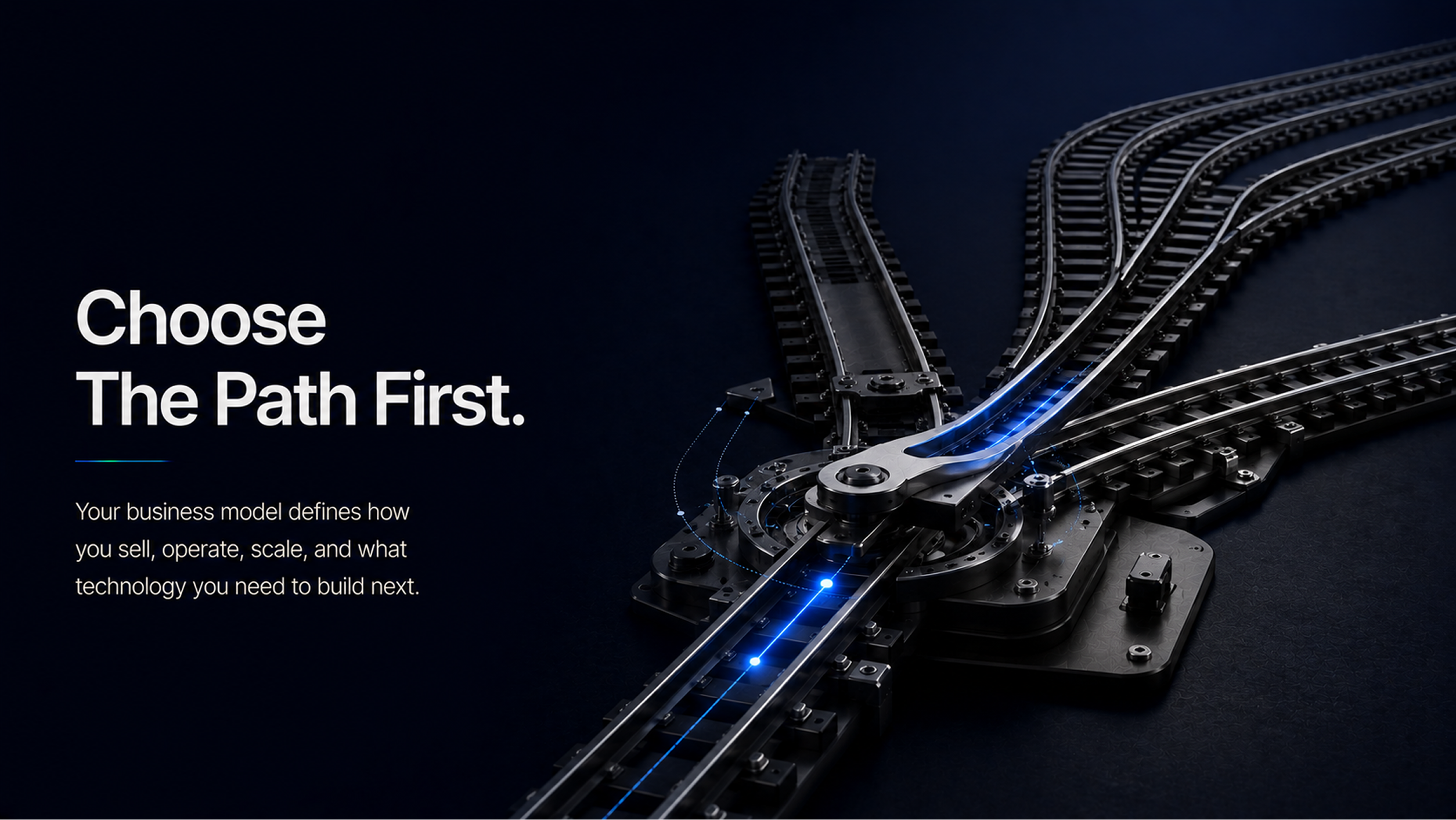
The success of an ecommerce business often depends more on its core framework than the actual products it sells. Many founders invest heavily in software before defining a clear operational path. Picking the wrong layout limits your profitability, stalls operational growth, and frustrates your consumers.
Selecting your exact structure is a foundational strategic decision. Organizations generally evaluate three primary pathways before building their technology stack. These pathways include multi-vendor marketplaces, business-to-business portals, and traditional retail storefronts.
This guide breaks down each layout completely. You will learn the clear differences between these models and how they impact daily operations. This knowledge prepares you to make smart technology choices for your brand.
What Are Ecommerce Business Models?
An ecommerce business model defines exactly how your digital company generates revenue and delivers value. It outlines who your target customers are and how your products reach them. This structure dictates your entire supply chain and inventory management process.
Your business model is completely different from your chosen software platform. A platform is simply the digital tool you use to execute your plan. You must define your operational plan before buying digital tools.
Technology should support your business goals rather than restrict them. If you plan to sell wholesale, a standard retail cart will cause severe operational delays. Understanding your exact structural needs ensures you build a highly profitable digital foundation.
The Most Common Ecommerce Business Models
Digital commerce encompasses several distinct operational styles. Each style serves a specific type of buyer and requires different management skills.
B2B
Business-to-Business models sell goods or services directly to other companies. This layout involves bulk ordering, negotiated contracts, and specific wholesale pricing tiers. It requires specialized backend systems to handle large corporate invoices.
B2C
Business-to-Consumer is the standard retail layout most shoppers use daily. Brands sell single items directly to individual buyers through a digital storefront. This model focuses heavily on fast checkouts and visual product displays.
C2C
Consumer-to-Consumer platforms allow private individuals to sell items to other private individuals. The platform provider charges listing fees or takes a small percentage of each sale. Auction sites and local classified boards use this structure.
C2B
Consumer-to-Business models reverse the traditional retail flow. Independent workers or consumers offer products or services to corporate entities. Freelance platforms and reverse auction sites operate using this specific framework.
D2C
Direct-to-Consumer models allow manufacturers to bypass traditional retail middlemen entirely. A brand produces an item and sells it directly to the end buyer through its own website. This method increases profit margins and gives the brand complete control over customer data.
Marketplace
A multi-vendor marketplace hosts multiple independent merchants on one single digital domain. The site owner manages the software infrastructure and processes payments. The individual merchants handle product fulfillment and customer shipping.
Subscription Commerce
Subscription commerce charges customers a recurring fee for continuous product access. Companies deliver physical goods monthly or provide ongoing access to digital content. This approach generates highly predictable monthly revenue.
Dropshipping
Dropshipping allows retailers to sell items without holding any physical stock. When a consumer buys an item, the retailer purchases it from a third-party supplier. The supplier then ships the product directly to the end consumer.
Print-On-Demand
Print-on-demand is a retail fulfillment method where products are printed only after an order is placed. The merchant designs custom graphics for apparel or mugs. A third-party supplier prints the item and ships it to the buyer.
Marketplace Vs B2B Vs Traditional Ecommerce
Comparing the three primary frameworks helps clarify your operational requirements. Review this detailed breakdown to understand the distinct technical differences.
| Feature Category | Marketplace Model | B2B Ecommerce | Traditional Ecommerce |
| Customer Type | Consumers And Merchants | Corporate Buyers | Individual Consumers |
| Revenue Model | Commissions And Fees | Wholesale Bulk Orders | Direct Retail Sales |
| Inventory Ownership | Owned By Merchants | Owned By Brand | Owned By Brand |
| Technology Need | High Complexity | High Complexity | Low To Medium |
| Operational Scale | Heavy Administrative Load | Complex Logistics | Simple Fulfillment |
| Customer Support | Handled By Vendors | Handled By Brand | Handled By Brand |
| Profit Margins | Low Per Item, High Volume | Moderate, High Volume | High Per Item |
Understanding Marketplace Business Models
Operating a digital marketplace requires distinct software and management strategies. The site owner acts as a digital landlord rather than a traditional retailer.
Multi-Vendor Marketplaces
A multi-vendor setup allows hundreds of sellers to list their products on your website. You provide the digital infrastructure and marketing reach. The sellers bring the actual product inventory and handle fulfillment.
Commission Revenue
Marketplace owners generate income primarily through commission fees. You take a percentage of every transaction processed through your checkout system. You can also charge monthly listing fees for premium merchant placement.
Vendor Management
Managing external sellers is your primary operational duty. You must vet new merchants, monitor product quality, and resolve disputes between buyers and sellers. Strict vendor guidelines keep your platform safe and professional.
Marketplace Operations
Your technology must route payments securely to individual merchants after taking your commission cut. This requires specialized payment gateways and complex backend accounting software. A strong ecommerce tech stack handles these split payments cleanly.
Best Industries
Marketplaces work exceptionally well in industries with fragmented supply chains. They thrive in artisan crafts, digital software goods, and localized service bookings. These sectors benefit from aggregating many small sellers into one central hub.
Understanding B2B Ecommerce
Business-to-Business commerce involves long sales cycles and high-value transactions. This framework demands high operational precision.
Wholesale Commerce
Wholesale ecommerce focuses on moving large volumes of product to other businesses. These buyers resell the items or use them in their own manufacturing processes. The average order value is significantly higher than standard retail sales.
Customer Accounts
B2B buyers require detailed customer accounts to manage their procurement duties. These portals allow clients to view past orders, download invoices, and duplicate previous supply requests. Strong account management features reduce manual sales calls.
Pricing Rules
Wholesale pricing is rarely static. B2B systems require dynamic pricing tiers based on order volume or negotiated contract terms. The platform must display the correct custom price automatically when a specific client logs in.
Purchase Workflows
Corporate buying often requires multiple levels of managerial approval before checkout. A B2B platform must support complex purchase workflows and request-for-quote systems. It must also accept traditional purchase orders and extended payment terms.
Enterprise Requirements
Scaling a wholesale brand requires highly stable enterprise architecture. Your site must connect directly to your corporate financial tools. Implementing custom B2B ecommerce solutions ensures your wholesale catalog syncs perfectly with your warehouse tracking software.
Understanding Traditional Ecommerce
Traditional online retail remains the most common entry point for digital businesses. It focuses entirely on direct consumer relationships.
Single-Brand Retail
Single-brand retailers design, manufacture, and sell their own unique product lines. They control the entire brand narrative from the factory floor to the digital checkout. This model builds very strong customer loyalty over time.
Direct Sales
The traditional retail model generates revenue through direct markup on physical goods. You buy or manufacture an item for a low cost and sell it at a higher retail price. You retain the entire profit margin from each completed sale.
Inventory Ownership
Traditional retailers must purchase and store their own physical inventory. This requires leasing warehouse space and managing daily shipping logistics. Holding stock ties up significant financial capital upfront.
Customer Experience
The retail brand handles every aspect of the buyer journey. You manage the website design, answer support emails, and process physical returns. Delivering excellent customer service is your primary competitive advantage.
Growth Considerations
Growing a traditional retail brand requires constant customer acquisition. You must invest heavily in digital advertising and content marketing. If you plan to expand internationally, evaluating your ecommerce scalability limits prevents future server crashes.
Other Ecommerce Business Models Worth Considering
Beyond the three primary layouts, several specialized structures offer unique profit opportunities. Each alternative provides distinct operational benefits.
Subscription Commerce
Subscription frameworks charge a recurring fee for product boxes or digital software access. This model creates reliable cash flow and high customer lifetime value. It requires specialized payment gateways to process recurring monthly charges securely.
Dropshipping
Dropshipping removes the need for physical warehouse space. You market the products, but a separate supplier handles all the shipping and storage. While startup costs are incredibly low, the profit margins remain very thin.
Print-On-Demand
Print-on-demand allows graphic designers to sell apparel without holding blank inventory. The product is only printed when a customer completes a purchase. This eliminates the risk of holding unsold clothing styles.
D2C
Direct-to-Consumer brands cut out retail middlemen to interact directly with end users. They rely heavily on social media marketing and brand storytelling. D2C companies typically enjoy much higher profit margins than traditional wholesale manufacturers.
Affiliate Commerce
Affiliate websites promote products sold by other external companies. You earn a referral fee when a visitor clicks your link and buys the item elsewhere. You hold zero inventory and manage zero customer support tickets.
Membership Commerce
Membership models lock premium content or exclusive product discounts behind a paid paywall. Users pay a monthly fee simply to access the storefront. This structure works well for high-end boutique brands and specialized digital communities.
How To Choose The Right Ecommerce Business Model
Selecting your exact structural path requires objective business analysis. You must evaluate your current resources against your long-term operational goals.
Business Goals
Define your ultimate corporate objective clearly. If you want high profit margins per item, direct retail is ideal. If you want massive transactional volume without holding stock, a multi-vendor marketplace makes more sense.
Budget
Calculate your available startup capital honestly. Buying physical inventory requires significant upfront cash. Dropshipping or print-on-demand models require almost zero inventory investment to launch.
Products
Analyze the exact nature of the items you intend to sell. Digital downloads require zero shipping logistics. Heavy machinery requires specialized freight shipping integration and complex B2B quoting systems.
Customer Type
Identify exactly who will buy your items. Individual consumers want fast checkouts and free shipping offers. Corporate buyers need bulk discounts, invoice terms, and dedicated account management portals.
Operations
Assess your current warehouse and staffing capabilities. Managing a retail warehouse requires full-time logistics staff. If you lack physical storage space, working with a third-party logistics provider is strictly necessary.
Technology Requirements
Different frameworks demand different software budgets. A basic retail shop runs perfectly on simple hosted templates. A wholesale portal requires expensive custom database programming.
Scalability
Consider how easily the model expands across international borders. Subscription models scale digitally with very little friction. Physical retail scaling requires building new warehouses in different global regions.
Technology Considerations For Each Business Model
Your chosen business model dictates your exact technology stack requirements. You cannot run a complex wholesale portal on a basic consumer shopping cart.
Platform Selection
Select a core engine that supports your specific operational needs. Many brands start by evaluating professional Shopify development services for basic retail. Complex B2B brands often need specialized enterprise architecture.
ERP And CRM
Large organizations require central data management tools. Establishing a clean ERP CRM ecommerce integration links your storefront to your financial ledgers. This automation stops manual data entry errors.
Inventory Management
Retail and B2B models require highly accurate stock tracking systems. Your software must update availability counts instantly after every single sale. This prevents you from selling out-of-stock items to angry buyers.
Marketplace Integrations
Running a marketplace requires specialized routing software to manage split payments. You must track individual vendor commissions automatically. Building this architecture requires professional ecommerce marketplace development expertise.
Headless Commerce
Headless commerce separates the visual frontend design from the backend database. This API-driven approach gives fast-growing brands total control over their user experience. It works perfectly for multi-channel scaling.
API Connectivity
Your business model will eventually require connections to external software tools. Ensure your core platform features strong API capabilities. Fast API endpoints allow you to connect new shipping carriers or accounting tools easily.
Common Mistakes When Choosing An Ecommerce Business Model
Founders often make structural errors that destroy their profit margins. Avoid these frequent strategic mistakes during your planning phase.
Following Trends
Never select a business model simply because it is currently popular on social media. Many dropshipping trends fail due to hidden shipping costs. Build a structure based on actual market data and unit economics.
Ignoring Operations
Entrepreneurs often focus entirely on marketing while ignoring supply chain logistics. A great website cannot save a brand with terrible shipping delays. You must plan your physical fulfillment strategy before launching your site.
Choosing The Wrong Revenue Model
Matching the wrong revenue structure to a product guarantees failure. Selling cheap consumable goods works best with subscriptions. Selling high-ticket luxury items requires direct retail focus.
Underestimating Technology Requirements
Founders frequently buy cheap software that cannot handle complex wholesale rules. Upgrading a broken system later is incredibly expensive and causes severe downtime. Invest in the correct technical foundation from day one.
Ignoring Customer Expectations
You must match your checkout experience to your specific buyer type. Corporate buyers will abandon a cart that does not accept purchase orders. Retail shoppers will leave if you do not offer digital wallet payments.
Future Trends In Ecommerce Business Models
Digital commerce continues to shift as new technologies emerge. Understanding these future trends helps you build a highly adaptable brand.
AI-Powered Commerce
Artificial intelligence now drives deep personalization across retail stores. AI engines analyze user behavior to suggest relevant products instantly. This automated guidance increases your average order value significantly.
Composable Commerce
Composable commerce allows brands to build modular software stacks. You can select the best independent search tool and connect it to a separate checkout engine. This modular approach eliminates vendor lock-in completely.
Hybrid Commerce
Many successful brands now blend multiple models together. A traditional D2C brand might add a wholesale portal to serve corporate buyers. This hybrid strategy diversifies your income streams safely.
Social Commerce
Social media platforms now function as native shopping channels. Users can complete purchases without ever leaving their social feed. Brands must integrate their product catalogs directly with these social networks.
Omnichannel Growth
Modern consumers expect a unified experience across mobile apps, web browsers, and physical retail stores. Omnichannel strategies ensure your pricing and inventory data match perfectly everywhere. This consistency builds deep consumer trust.
Platform Ecosystems
Large enterprise brands are transitioning from simple stores into complete digital ecosystems. They build central hubs that connect buyers, sellers, and specialized service providers. This network effect generates massive long-term value.
Frequently Asked Questions
What Are The 4 Main Types Of Ecommerce Business Models?
The four primary models are Business-to-Business, Business-to-Consumer, Consumer-to-Consumer, and Consumer-to-Business. These four categories define exactly who is selling the product and who is buying the product online.
How Do I Choose The Best Ecommerce Business Model?
You must evaluate your startup budget, your physical inventory capacity, and your exact target audience. Determine whether you want to sell in high volumes to corporations or direct single items to consumers. Base your decision entirely on your logistical capabilities.
What Is A Marketplace Ecommerce Business Model?
A marketplace model involves a central website host that allows multiple independent merchants to sell their items. The host processes the digital payments and takes a commission fee. The individual merchants handle all physical shipping duties.
Why Do Ecommerce Business Models Fail?
Models typically fail due to poor supply chain logistics, terrible customer service, or selecting incorrect software platforms. Failing to match your technical architecture with your actual daily operational needs causes immediate financial losses.
Can A Business Use Multiple Ecommerce Models Simultaneously?
Yes, many successful companies employ hybrid commerce strategies today. A brand might run a standard retail storefront for the public while operating a hidden wholesale portal for corporate distributors on the exact same network.
Final Takeaways
Selecting the correct operational layout is the most important strategic choice your company will make. The right framework dictates your supply chain efficiency, software requirements, and ultimate profit margins. By understanding the distinct differences between wholesale, direct retail, and multi-vendor systems, you can build a highly stable foundation that supports your exact financial goals.
Designing a high-performing digital platform requires precise strategic planning and expert software engineering. Partner with a specialized technical agency to evaluate your operational requirements and build the perfect digital architecture. Contact GYB Commerce today to consult with our enterprise strategists about selecting your ecommerce business model and deploying a highly profitable digital storefront.