
Mobile App Development Firm for Scalable, Secure Enterprise Applications

Mobile App Development Services Built on Strong Architecture
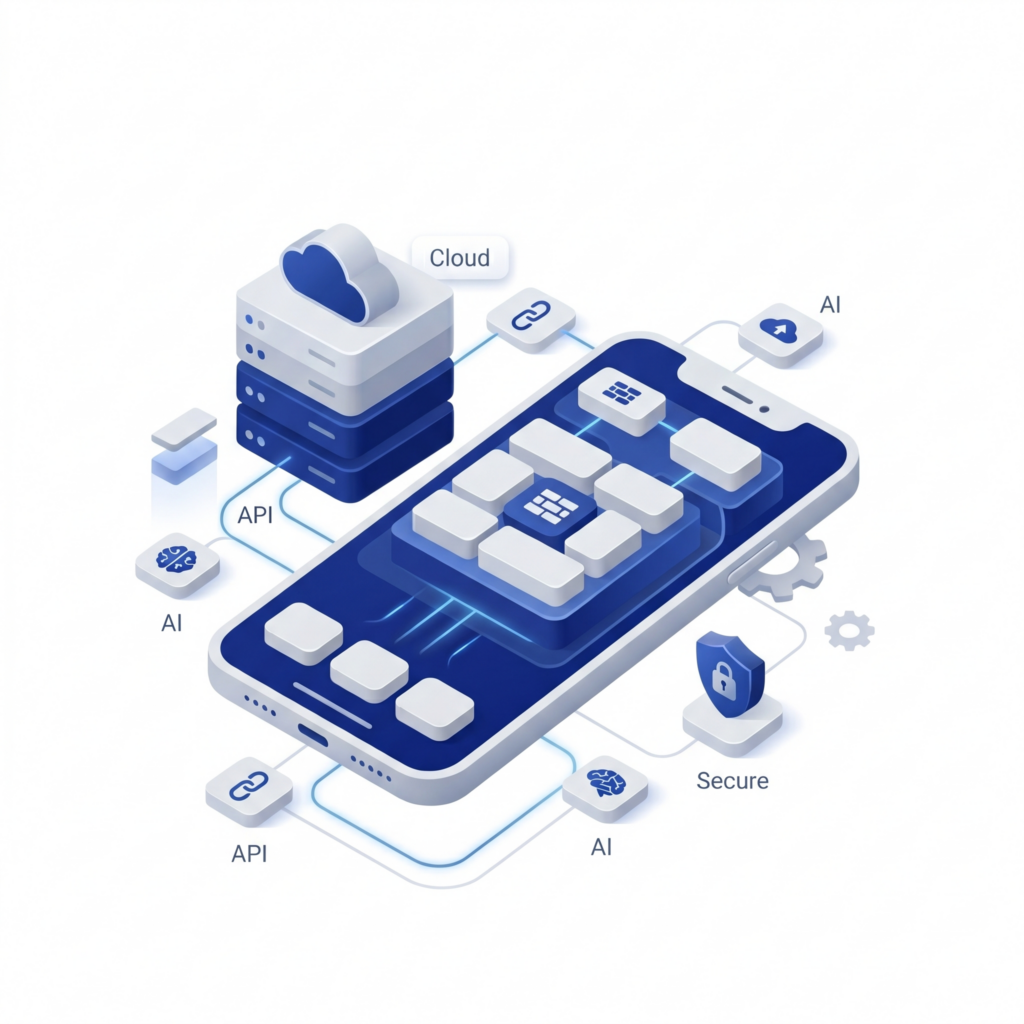
Most mobile applications fail because they are built as isolated interfaces without integration depth, governance structure, or scalable application architecture. Organizations invest heavily in UI while backend integration, API orchestration, and data schema planning remain fragmented. GYB Commerce operates as a mobile app development firm focused on system architecture first, ensuring every mobile layer aligns with infrastructure, compliance controls, and long-term scalability. We engineer mobile ecosystems that integrate with ERP, CRM, analytics engines, and cloud environments without creating performance bottlenecks. Our approach replaces feature stacking with structured mobile strategy, backend integration discipline, and lifecycle optimization.
Why Organizations Choose a Structured Mobile App Development Firm Over Generic App Companies
Companies evaluating mobile app development services often compare vendors based on portfolios, design samples, or hourly rates. That evaluation method overlooks the structural risk of poor backend integration, weak compliance alignment, and limited scalability planning.
A generic mobile app development company typically focuses on visual design and feature rollout. A structured mobile app development firm engineers systems that support long-term operational continuity.
The distinction becomes critical when:
Mobile workflows must integrate with legacy platforms
Regulatory compliance impacts financial or healthcare operations
Real-time synchronization is required across distributed systems
Role-based access and reporting governance must remain audit-ready
We design mobile application development services around API integration, centralized databases, and cloud-native infrastructure. That ensures performance stability under high concurrency, not just launch-day usability.
Unlike offshore development vendors that emphasize speed alone, we engineer structured release management, change control protocols, and architecture validation cycles. The result is lower technical debt and reduced re-engineering costs over time.
Our Mobile App Development Services
As a mobile app development firm, we deliver full-cycle engagement from strategy through deployment and long-term support. Each service module supports scalable systems aligned with operational objectives.
Native Mobile App Development
We develop native applications for Android and iOS using performance-optimized frameworks. Native app development enables deeper device integration, enhanced security controls, and platform-specific performance tuning.
Our engineers develop mobile apps using:
- Kotlin and Java for Android ecosystems
- Swift and Objective-C for iOS environments
Native engineering is ideal for high-performance fintech, healthcare, and IoT-driven systems.
Cross-Platform Application Engineering
When business objectives require faster rollout across platforms, we engineer cross-platform applications using Flutter, React Native, Xamarin, or Cordova. Cross-platform development reduces duplication of logic while maintaining performance thresholds required for production-grade deployment. We evaluate native vs cross-platform architecture based on integration complexity, concurrency load, and lifecycle cost modeling rather than trend preference.
Progressive Web Applications and Hybrid Ecosystems
For distribution flexibility, we engineer Progressive Web Apps that combine browser accessibility with mobile functionality. PWAs are strategically deployed when organizations require controlled rollout without full app store dependency.
Backend & API Integration Architecture
Mobile interfaces represent only one layer of the system. Our mobile application development services focus heavily on API integration, event-driven backend orchestration, and microservices alignment. We manage integration with third-party platforms, payment gateways, analytics engines, and internal systems through structured backend logic. This ensures data consistency across mobile, web, and management dashboards.
Cloud Infrastructure & Deployment
We engineer deployment environments on secure cloud architecture frameworks designed to support horizontal scaling and failover resilience. Cloud-native deployment enables dynamic scaling based on user demand while maintaining compliance controls.
UI/UX Engineering with Workflow Discipline
Our UI/UX Design process is driven by workflow modeling and state transition mapping. We design UX flows that enhance usability while preserving business logic integrity and operational efficiency.
Quality Assurance & Performance Validation
Mobile applications require structured validation. Our QA Testing framework covers functional testing, performance stress validation, security checks, and regression cycles before deployment.
Mobile App Modernization & Optimization
Legacy systems often require refactoring to meet modern scalability demands. We modernize outdated codebases, optimize performance, enhance user experience, and integrate advanced backend capabilities to ensure long-term viability.

Architecture Framework We Use to Develop Mobile Applications
Building feature-rich applications without structural discipline creates operational risk. Our mobile app development firm follows a controlled engineering framework.
Strategic Consulting & Mobile Strategy Mapping
We define business objectives, integration points, and operational alignment before development begins. This stage validates feasibility, cost modeling, and governance requirements.
Application Architecture & Data Schema Engineering
We engineer application architecture around modular services, scalable databases, and secure data flow. This stage defines backend integration strategy and API lifecycle management.
UX/UI Flow Modeling
Before coding, we design workflow hierarchies and navigation structures to prevent user friction and reduce change requests during development cycles.
Integration with APIs & Core Systems
We integrate third-party APIs, ERP systems, CRM platforms, payment processors, and analytics tools through structured middleware layers that ensure data integrity.
Agile Development & Iterative Validation
We develop mobile apps in sprint cycles, conduct internal validation, and provide milestone reporting to maintain alignment.
QA, Compliance & Security Validation
We implement authentication controls, encrypted communication layers, and performance benchmarks before release.
Deployment, Monitoring & Ongoing Support
We deploy across app stores or controlled distribution channels, manage release cycles, monitor performance, and provide ongoing optimization to ensure scalability.
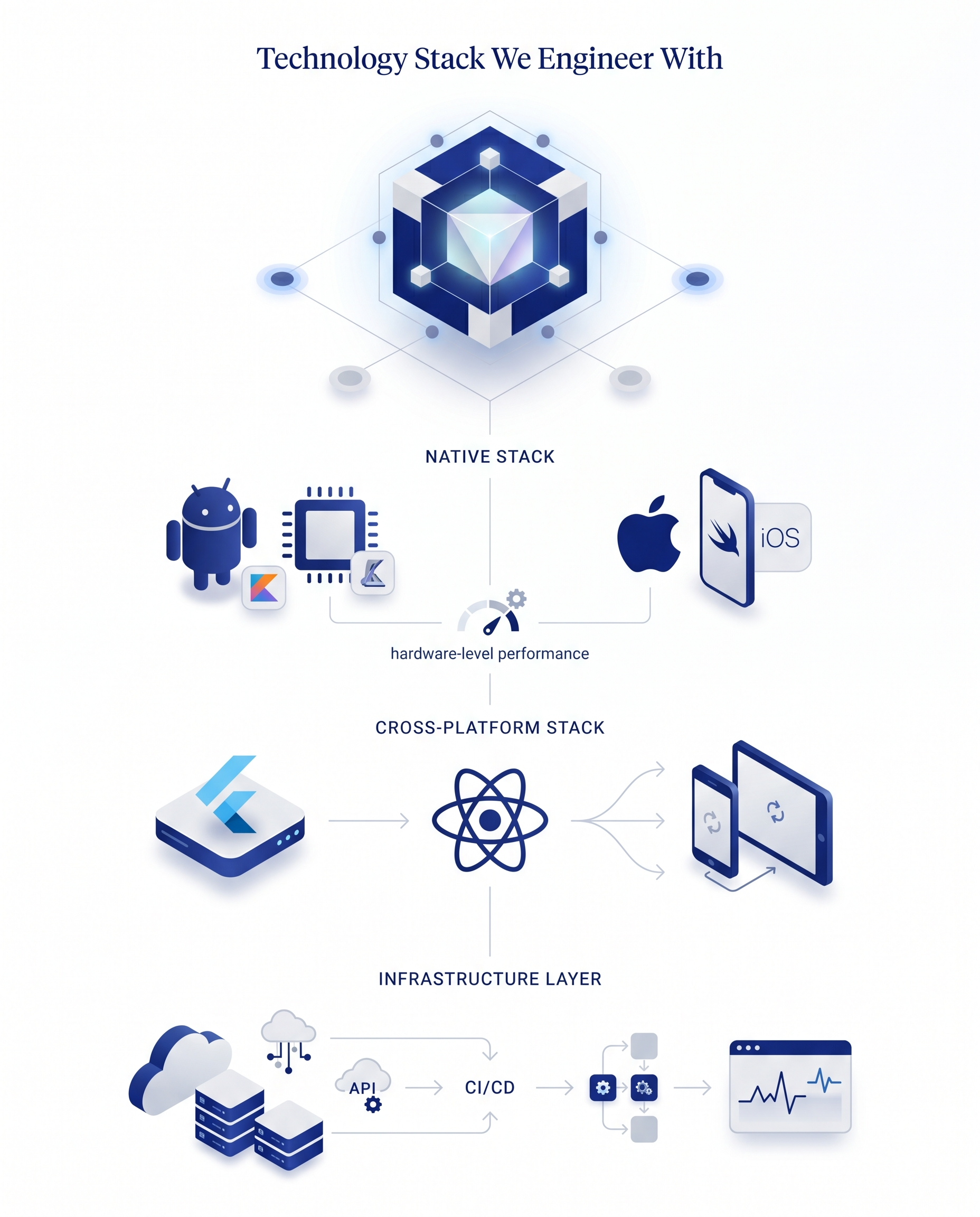
Technology Stack We Engineer With
Organizations evaluating mobile app development company services often compare vendors by tool lists. Tools alone do not define system strength. Architecture alignment, integration depth, and deployment discipline determine long-term performance.
Our mobile app development firm selects technologies based on workload complexity, security posture, concurrency demands, and integration requirements.
Native Engineering Stack
- Kotlin and Java for Android-native logic
- Swift and Objective-C for iOS-native environments
Cross-Platform Engineering Stack
We build cross-platform applications using Flutter, React Native, Xamarin, or Cordova.
Suitability is evaluated based on real-time processing needs, offline capability requirements, and backend integration complexity.
Infrastructure & DevOps Layer
We engineer infrastructure around:
- API-first backend services
- Cloud-native deployment architecture
- CI/CD automation pipelines
- Monitoring and performance analytics
This ensures scalable systems capable of supporting thousands or millions of concurrent users without architecture degradation.
Mobile App Use Cases We Engineer
Building feature-rich applications without structural discipline creates operational risk. Our mobile app developmUnlike generic mobile app companies that list dozens of industries without depth, we focus on integration-heavy environments where mobile systems must align with complex infrastructure and regulated workflows.ent firm follows a controlled engineering framework.
Healthcare & HealthTech
We develop secure medical and operational applications requiring regulatory compliance, secure data exchange, and structured role-based access controls. Integration with hospital systems, IoT monitoring devices, and analytics dashboards is engineered with audit readiness and data integrity in mind.
Financial Services & FinTech
Mobile banking, lending, and payment ecosystems require encryption discipline, transaction validation layers, fraud detection integration, and high-availability backend architecture. We design systems that maintain performance stability under transaction-heavy environments.
Logistics & Supply Chain
Applications in logistics require GPS orchestration, warehouse management integration, barcode and RFID workflows, route optimization, and real-time reporting. We engineer synchronized backend logic to eliminate data silos between field and operations teams.
Manufacturing & Field Operations
We develop inspection apps, asset monitoring systems, maintenance workflows, and mobile business intelligence dashboards integrated with ERP environments and operational databases.
eCommerce & Digital Commerce
We build commerce applications integrated with payment gateways, inventory systems, CRM platforms, and analytics engines to ensure operational alignment and real-time performance tracking.
Operations & Workforce Management
We develop productivity applications, field service platforms, reporting dashboards, and internal workflow systems requiring backend orchestration and structured governance controls.
Custom Mobile App Development vs Off-the-Shelf Platforms
Organizations often compare custom mobile application development services with pre-built app platforms. The evaluation must consider long-term system control and integration depth.
Evaluation Factor
Architecture Control
Scalability
Integration Depth
Compliance Alignment
Long-Term Cost
Vendor Lock-In
Generic Android Agency
Full ownership of application architecture
Engineered for high concurrency
Direct integration with APIs and enterprise systems
Built around regulatory standards
Predictable lifecycle investment
Independent deployment control
GYB Commerce Android App Development Service
Limited customization
Restricted by vendor limits
Often limited to plugins
Shared responsibility model
Subscription escalation risk
Platform dependency
Cost of Hiring a Mobile App Development Firm
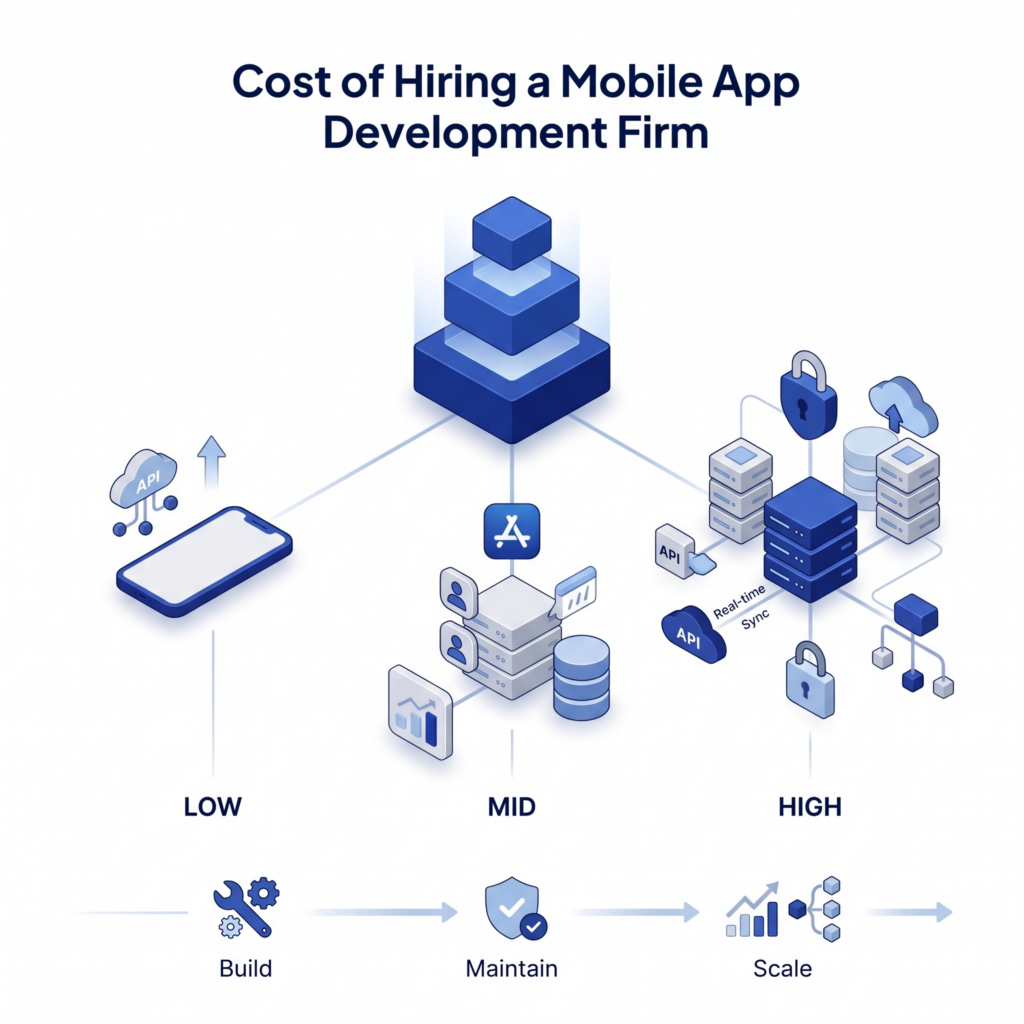
Cost modeling depends on complexity, integration requirements, compliance scope, and performance expectations.
Mobile application development services generally fall into structured tiers:
Low complexity applications with limited integrations typically range from $40,000 to $90,000.
Mid-complexity systems requiring backend integration, user management, and analytics layers range from $90,000 to $220,000.
High-complexity platforms involving multi-system integration, real-time synchronization, compliance frameworks, and advanced workflow automation can exceed $250,000 depending on scope.
Total cost of ownership depends on architecture design decisions, infrastructure selection, maintenance cycles, and scalability planning. A mobile app programming company focused only on initial build cost often overlooks lifecycle modeling and long-term optimization expenses.Total cost of ownership depends on architecture design decisions, infrastructure selection, maintenance cycles, and scalability planning. A mobile app programming company focused only on initial build cost often overlooks lifecycle modeling and long-term optimization expenses.
Case Study
Field Operations Mobile Platform with Real-Time Integration
A US-based logistics organization operated across multiple states with disconnected warehouse reporting, manual reconciliation processes, and limited visibility into field performance metrics. Their previous mobile solution functioned as a data entry layer without structured backend integration, which caused reporting delays and operational inefficiencies.
The Operational Challenge
Field teams recorded delivery updates manually, which were later synchronized with ERP systems through batch uploads. This delay created invoice reconciliation gaps, inaccurate inventory records, and duplicated entries across departments. The absence of structured API orchestration prevented real-time updates between mobile users, warehouse systems, and finance platforms.
Architecture Strategy Delivered
We re-engineered the application architecture around modular backend services and event-driven processing. The new system was designed with API-first integration, enabling continuous synchronization between mobile interfaces and core infrastructure. The platform was deployed on scalable cloud infrastructure with monitoring logic embedded within the environment.
Integrations and System Alignment
The rebuilt mobile platform integrated directly with the client’s ERP system, CRM environment, payment gateway, and fleet tracking infrastructure. This eliminated redundant data entry and ensured consistent reporting across operations and finance.
Timeline and Measurable Impact
The full-cycle engagement spanned six months from strategy validation to deployment stabilization. Within the first quarter post-launch, the organization experienced a forty-two percent reduction in reporting errors, a thirty-five percent acceleration in invoice reconciliation cycles, and a twenty-eight percent increase in field productivity. System uptime stabilized at 99.97 percent under sustained concurrency conditions. The transition enabled real-time operational visibility with scalable architecture designed for expansion.
Why GYB Commerce Is a Strategic Mobile App Development Firm
Architecture-First Engineering That Reduces Structural Risk
Many mobile app development companies begin with interface design and feature scoping. We begin with system modeling, backend logic structuring, and integration planning. This ensures mobile applications operate as secure infrastructure extensions rather than isolated digital products.
Deep Integration Across Complex Infrastructure
Modern organizations operate across multiple systems. We engineer integration with APIs, ERP platforms, CRM environments, analytics engines, and financial systems through structured middleware orchestration. This prevents reporting fragmentation and synchronization delays.
Governance, Compliance, and Security Embedded at the Core
Applications operating in regulated industries require disciplined access hierarchies, authentication controls, encrypted communication layers, and audit-ready logging. These controls are engineered directly into system architecture.
Native and Cross-Platform Strategy Based on Performance Modeling
We evaluate native and cross-platform development based on concurrency demands, device-level integration requirements, and lifecycle optimization. Architecture decisions are validated against scalability benchmarks rather than trend adoption.
Structured Cost Modeling Aligned with Lifecycle Planning
We evaluate total cost of ownership by assessing integration scope, infrastructure scaling, maintenance cycles, and performance optimization requirements. Investment forecasting is built around long-term sustainability.
Continuous Optimization and Platform Evolution
Mobile systems require structured iteration after launch. We monitor performance metrics, refine backend processes, and implement enhancements through controlled release management protocols.
US Delivery Standards with Operational Discipline
We operate with milestone governance, change request validation, and documentation discipline aligned with structured delivery expectations. This ensures predictability and controlled system evolution.
What Clients Say About Working With Us


Frequently Asked Questions
Quick answers to the most common questions
What does a mobile app development firm deliver beyond coding?
A structured mobile app development firm delivers architecture design, backend integration, compliance validation, scalability planning, and lifecycle support in addition to interface development. The focus extends beyond code into long-term system engineering and infrastructure alignment.
How much do mobile application development services typically cost?
Mobile application development services vary based on complexity, integration depth, regulatory requirements, and infrastructure selection. Systems requiring real-time synchronization and advanced workflow modeling demand greater architectural investment and lifecycle planning.
How long does it take to develop mobile apps for complex environments?
Development timelines depend on scope, integrations, and workflow modeling requirements. MVP builds may require three months, while full-scale platforms with multi-system integration can extend to six to nine months.
What is the difference between native and cross-platform development?
Native development uses platform-specific languages to optimize performance, security controls, and device integration. Cross-platform development shares logic across systems but requires careful backend alignment and performance validation.
How do you ensure security in mobile app development services?
Security controls include encrypted communication layers, secure API architecture, role-based authentication, compliance alignment, and performance monitoring. Structured validation cycles reduce vulnerability exposure during development and after deployment.
Can your mobile app development company integrate with existing systems?
Integration with APIs, ERP platforms, CRM systems, analytics engines, and payment processors is engineered through middleware orchestration and backend service layering to ensure consistent data flow and reporting stability.
Do you provide post-launch support and optimization?
Post-launch engagement includes performance monitoring, scalability adjustments, structured feature enhancements, security updates, and disciplined release management to ensure long-term system stability.
Partner with Us for Comprehensive IT
We’re happy to answer any questions you may have and help you determine which of our services best fit your needs.
Your benefits:
- Client-oriented
- Independent
- Competent
- Results-driven
- Problem-solving
- Transparent
What happens next?
We Schedule a call at your convenience
We do a discovery and consulting meting
We prepare a proposal
Schedule a Free Consultation
Technologies that we use.
Ready to reduce your technology cost?

Our success stories

SEGO- Upgrade Your Life
SEGO Teams Up with GYB Commerce for a Digital Makeover Overview The modern man’s lifestyle can survive without the use of smartphones, and they have
Recharge
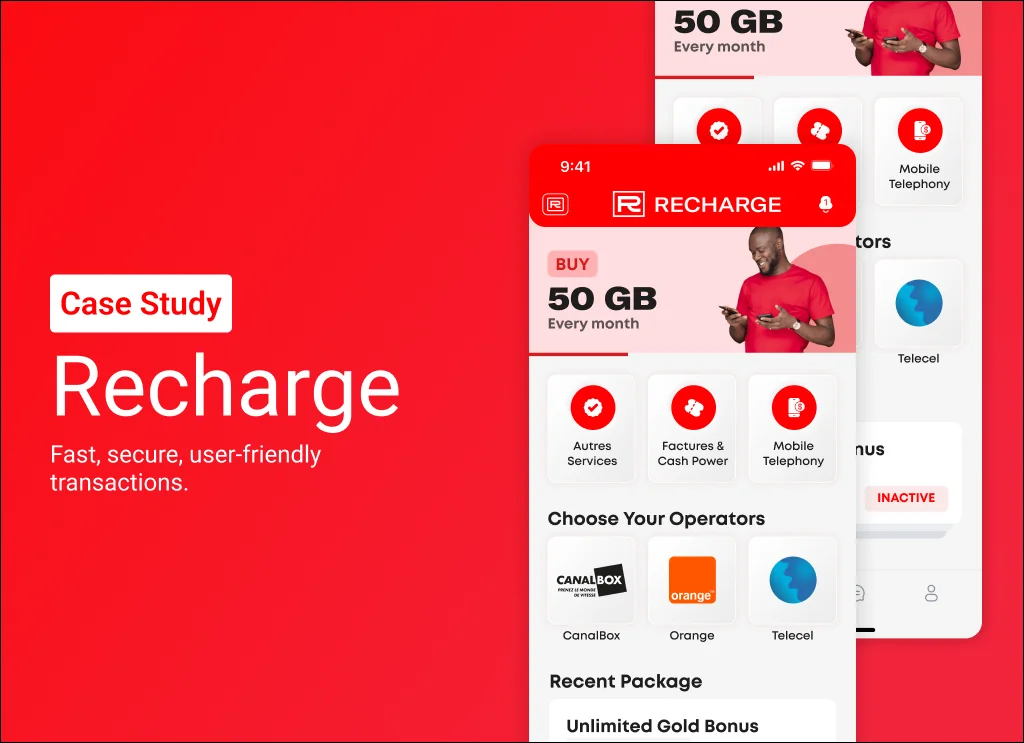
Recharge App – Streamlining Mobile Top-Ups & Empowering Connectivity Overview Recharge App simplifies the process of topping up cellular network packages. It offers users an
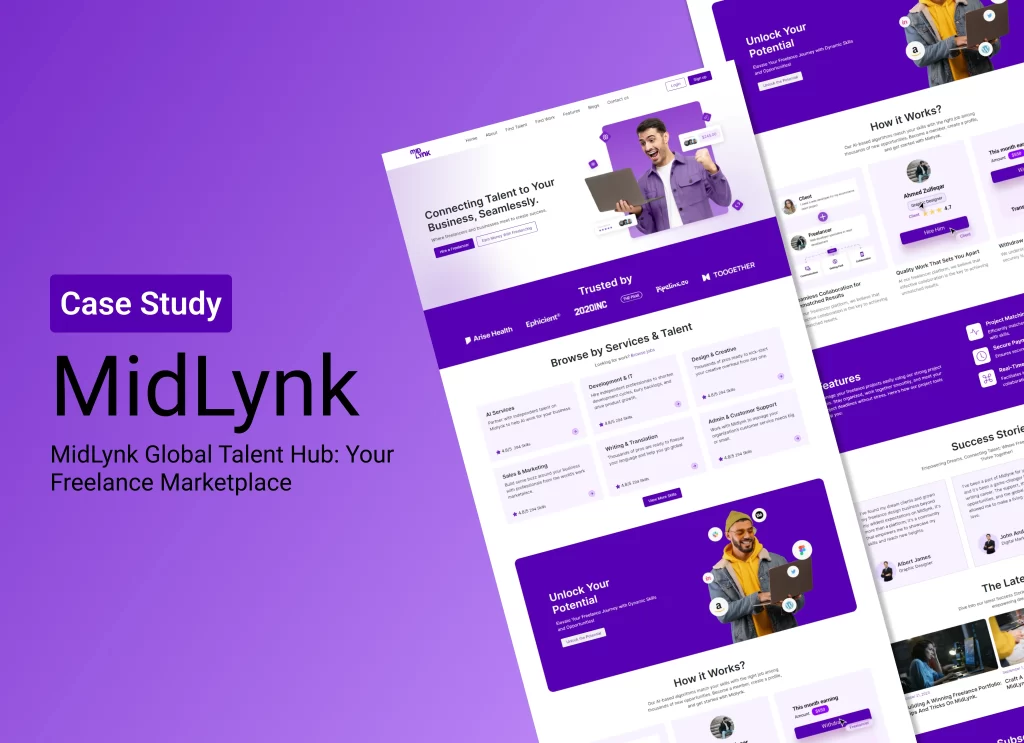
MidLynk – Your Freelance Marketplace
MidLynk – Connecting Talent with Endless Opportunities Overview MidLynk represents a transformative leap forward in the freelancing ecosystem, connecting clients and freelancers in a dynamic,
GYB Commerce blogs

Top Ecommerce Scalability Challenges And How Modern Commerce Platforms Solve Them
Many ecommerce platforms perform perfectly until rapid growth exposes the limitations hidden beneath the surface. Traffic isn’t what breaks an ecommerce business. Poor architecture does.

Marketplace Vs B2B Vs Traditional Ecommerce: Choosing The Right Business Model
The success of an ecommerce business often depends more on its core framework than the actual products it sells. Many founders invest heavily in software

How ERP CRM Integration Improve Ecommerce Operations And Customer Experience
Growing ecommerce businesses often struggle because their systems operate independently instead of working together. Every order touches multiple departments. Disconnected systems slow everything down. Modern
Engineering Mobile Systems That Scale Beyond the App Store
Mobile applications should function as integrated enterprise systems rather than isolated digital products. As a mobile app development firm, we engineer secure systems, scalable solutions, and architecture-driven platforms designed for long-term operational impact.