SEGO- Upgrade Your Life
SEGO Teams Up with GYB Commerce for a Digital Makeover Overview The modern man’s lifestyle can survive without the use of smartphones, and they have

Enterprise ecommerce is no longer about launching a store. It is about building a system that performs under pressure. GYB Commerce delivers ecommerce website development services engineered for scalability, integration, and long-term operational control. We build commerce platforms that handle growth without breaking.
Most ecommerce platforms fail when growth begins. The issue is not traffic. It is system design.
Traditional ecommerce development focuses on storefront design. However, real commerce systems include multiple layers. These include frontend experience, backend logic, integrations, and infrastructure. When these layers are disconnected, performance drops and operations become unstable.
Ecommerce website development services must focus on:
A platform that cannot scale is a liability. A system built with architecture-first thinking becomes an asset.
At GYB Commerce, we design ecommerce systems as infrastructure. This ensures stability, performance, and long-term scalability.
Most businesses approach ecommerce development with surface-level goals. They want better design or faster deployment. However, the real challenges are deeper.
We typically engage when businesses experience:
These problems are not isolated. They originate from weak system architecture.
Ecommerce website development services must solve:
This is where most ecommerce development companies fall short. They deliver features, not systems.
GYB Commerce focuses on building connected commerce ecosystems that operate efficiently at scale.
Ecommerce systems are not built through isolated features. They are engineered through coordinated capabilities. Each capability below functions as part of a unified architecture designed to support performance, integration, and scalability.
AI is transforming how ecommerce systems are built and optimized.
We apply an AI-first approach using tools like GitHub Copilot, Claude, and Gemini to accelerate development and improve system intelligence.
Our AI-driven capabilities include:
AI reduces development time while improving system efficiency.
More importantly, it enables ecommerce platforms to adapt and optimize continuously.
Ecommerce requirements vary based on business size and operational complexity. However, the need for structured architecture remains constant.
Startups require a strong foundation. SMEs need scalable systems. Enterprises demand integration and performance at scale.
We design ecommerce website development services that adapt to:
Each system is built to support future growth without requiring re-architecture.
Different industries require different ecommerce logic. A generic platform cannot handle specialized requirements.
We develop tailored solutions across industries such as:
Each industry introduces unique challenges. These include inventory handling, compliance, pricing models, and fulfillment logic.
Our ecommerce website development services are designed to align with these requirements at a system level.
Ecommerce performance is not defined by features alone. It is defined by how those features operate together within a structured system. Every capability we implement is aligned with performance, scalability, and conversion outcomes.
Speed directly impacts both conversion rates and search visibility. Our ecommerce website development services are built on optimized architecture that ensures fast loading across all pages. This improves user experience while supporting SEO performance and reducing bounce rates.
Modern ecommerce traffic is heavily mobile-driven. We design systems with a mobile-first approach, ensuring consistent performance across devices. Responsive layouts, optimized interactions, and streamlined navigation improve usability and increase engagement.
Trust is critical in ecommerce transactions. We implement secure, PCI-compliant payment systems that protect customer data and ensure reliable transaction processing. This reduces risk while maintaining operational stability.
Data visibility enables better decision-making. We integrate analytics systems that provide insights into customer behavior, sales trends, and operational performance. This allows businesses to continuously optimize their ecommerce strategy.
User experience directly influences revenue. We engineer shopping journeys that reduce friction from product discovery to checkout. Every interaction is optimized to improve conversion rates, increase customer retention, and maximize lifetime value.
Platform selection is a strategic decision. It impacts scalability, integration flexibility, and long-term operational control. We work with leading ecommerce platforms including Shopify, Adobe Commerce, WordPress, BigCommerce, and Odoo. Each platform is evaluated based on business requirements, not popularity. For high-growth brands, Shopify provides speed and operational simplicity. For complex enterprise environments, Adobe Commerce enables deep customization and control. WooCommerce offers flexibility for businesses requiring full ownership of their systems. BigCommerce and Odoo support API-driven and ERP-centric commerce models.
The objective is not to choose a platform. It is to select an architecture that supports long-term scalability.
Ecommerce development requires a structured execution model. Without process discipline, systems become unstable and difficult to scale.
We begin by mapping business workflows, integration requirements, and system dependencies. This phase defines the architecture before development begins.
We design system architecture, select technology stacks, and define integration frameworks. Every decision is aligned with scalability and performance.
We build frontend and backend systems while integrating ERP, CRM, payment, and logistics layers. Development follows architecture, not assumptions.
We test systems under real-world conditions, validating performance, checkout stability, and integration accuracy. This ensures readiness for scale.
Deployment is executed in controlled stages. Post-launch, we monitor performance, optimize systems, and implement continuous improvements.
A retail brand operating on a legacy system faced slow performance and limited scalability. Their platform struggled during peak traffic and failed to integrate with backend systems. We implemented a headless architecture with API-driven integrations and optimized frontend performance. This reduced load times significantly and improved checkout stability under high traffic conditions. As a result, conversion rates increased, deployment cycles accelerated, and the business gained full control over its commerce infrastructure.
A growing marketplace platform faced operational issues due to vendor mismanagement and inconsistent order processing. Their existing system lacked governance and automation. We developed a structured multi-vendor marketplace with commission automation, centralized order management, and real-time inventory synchronization. The result was improved operational clarity, faster vendor onboarding, and increased transaction reliability. The platform scaled without operational bottlenecks.
Most ecommerce development companies focus on delivery. We focus on system performance.
We define system architecture before development begins. This includes data flow, integration points, and scalability planning. As a result, systems are stable from day one and do not require reactive fixes later.
Ecommerce platforms fail when systems remain disconnected. We integrate ERP, CRM, payment gateways, and logistics systems at API level. This ensures real-time synchronization and eliminates operational inefficiencies.
Performance is not treated as a frontend metric. We optimize backend processes, database queries, API response times, and frontend rendering together. This ensures consistent speed and stability under high traffic conditions.
We design systems that support growth without re-architecture. Whether handling large product catalogs, multi-store environments, or high transaction volumes, our platforms scale without performance degradation.
Ecommerce systems evolve continuously. We provide ongoing support, monitoring, and optimization to ensure your platform remains stable, secure, and performance-driven as your business grows.
Organizations partner with GYB Commerce because our AI automation solutions prioritize operational architecture, system integration, and measurable business outcomes. The following feedback reflects the impact our automation frameworks deliver across different industries
Quick answers to the most common questions
Ecommerce website development services include frontend and backend development, system architecture, API integration, payment processing, and performance optimization. The goal is to build a scalable commerce system rather than a basic online store.
The cost of ecommerce website development services depends on complexity, integrations, and customization requirements. Enterprise systems require deeper architecture planning and longer development cycles compared to basic implementations.
Choosing the right ecommerce website development company requires evaluating their ability to handle system architecture, integrations, and scalability. Focus on technical expertise rather than design alone.
The best platform depends on business needs. Shopify is suitable for fast-growing brands, while Adobe Commerce supports complex enterprise systems. WooCommerce provides flexibility for custom builds.
Ecommerce website development timelines vary based on scope and integration depth. Structured projects include discovery, development, testing, and deployment phases to ensure system stability.
Yes, ecommerce website development services include integration with ERP and CRM systems through APIs. This ensures real-time data synchronization and operational efficiency.
Successful ecommerce website development includes fast performance, secure transactions, scalable architecture, mobile optimization, and seamless user experience. These elements directly impact conversion and growth.
We’re happy to answer any questions you may have and help you determine which of our services best fit your needs.
We Schedule a call at your convenienceÂ
We do a discovery and consulting metingÂ
We prepare a proposalÂ
SEGO Teams Up with GYB Commerce for a Digital Makeover Overview The modern man’s lifestyle can survive without the use of smartphones, and they have
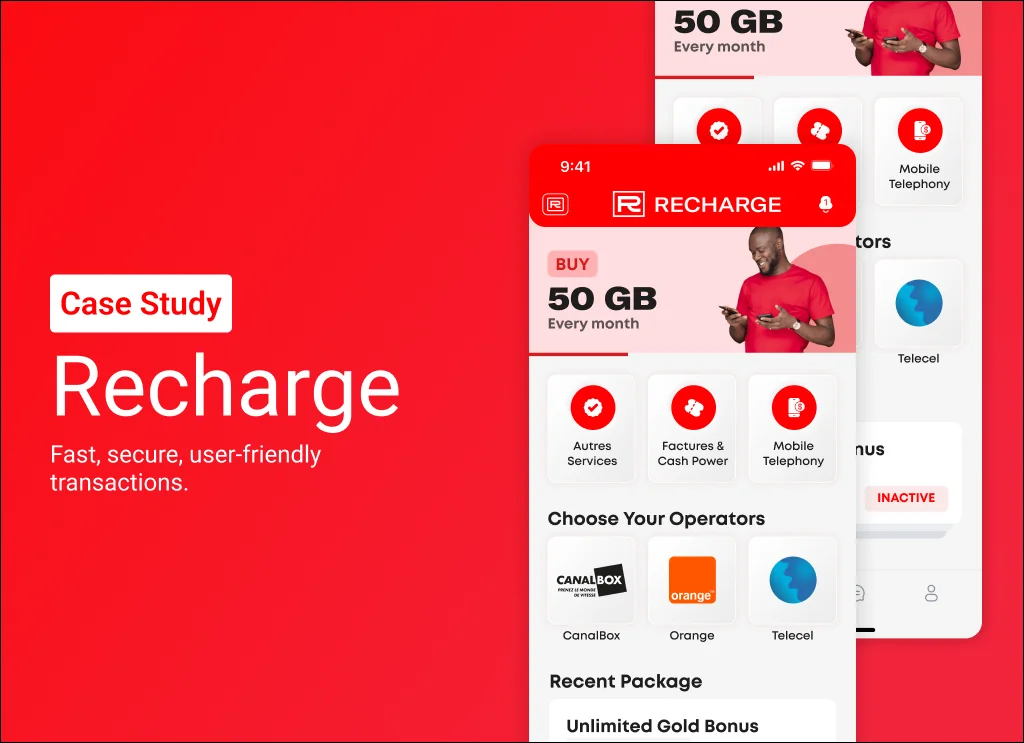
Recharge App – Streamlining Mobile Top-Ups & Empowering Connectivity Overview Recharge App simplifies the process of topping up cellular network packages. It offers users an
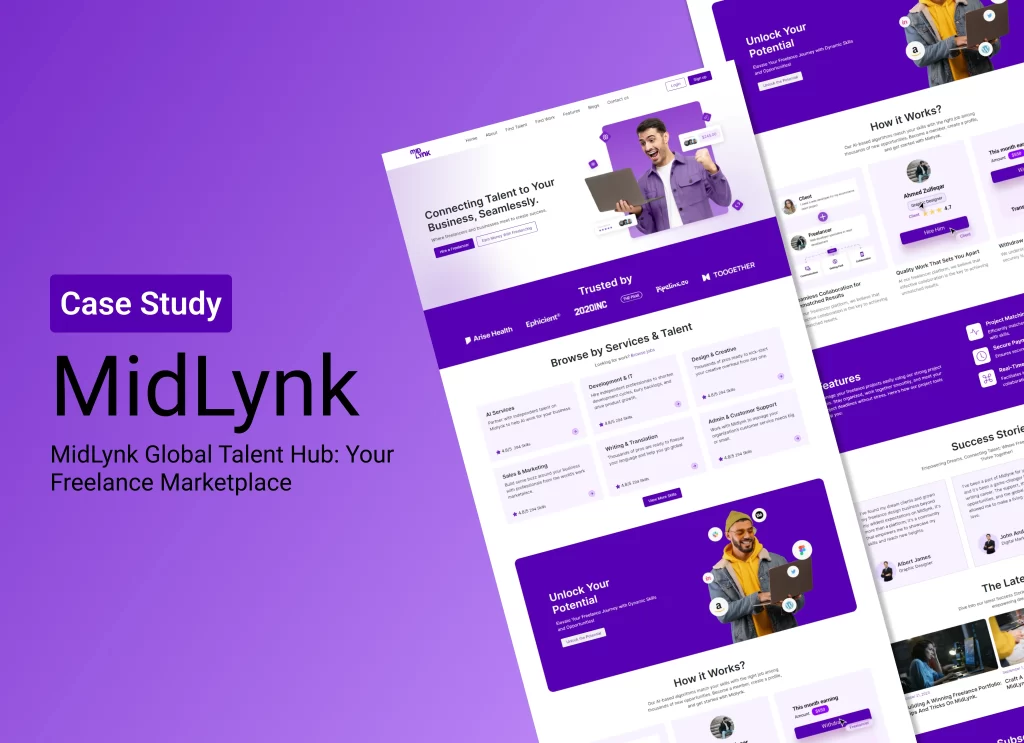
MidLynk – Connecting Talent with Endless Opportunities Overview MidLynk represents a transformative leap forward in the freelancing ecosystem, connecting clients and freelancers in a dynamic,

Learn how AI helps companies avoid stockouts and overstocking with better forecasting, real-time visibility, and automated inventory decisions.

Learn how to select the best inventory forecasting system to improve accuracy, reduce stock issues, and optimize supply chain decisions.

M Inventory calculations are at the core of effective inventory management. Businesses rely on these calculations to decide how much stock to hold, when to
Ecommerce growth exposes weak systems.The difference between scaling and failing is architecture.
GYB Commerce delivers ecommerce website development services designed to support performance, integration, and long-term scalability. If your current platform limits growth or creates operational friction, the issue is not traffic. It is infrastructure.