



Architect Booking-Driven Rental Commerce That Protects Revenue and Scales With Control
As a provider of Rental eCommerce Development Services, GYB Commerce engineers structured rental commerce systems where booking logic, availability control, and subscription models operate as unified infrastructure. We build custom eCommerce rental solutions that eliminate overbooking, automate rental inventory management, and protect revenue through governed pricing and deposit frameworks. Whether launching a rental ecommerce platform for equipment, vehicles, fashion, or property, our systems are engineered to scale seamlessly while maintaining operational clarity and financial control.
What Is Headless Commerce and Why It Matters for Enterprise Growth
Headless Commerce refers to a Decoupled Architecture where the frontend presentation layer operates independently from the backend commerce engine. The two layers communicate through APIs. This separation of concerns gives enterprises complete flexibility over user experience while maintaining a stable transactional core.
In traditional monolithic systems, the frontend and backend are tightly coupled. Any change to one affects the other. Headless Commerce removes that dependency. The backend becomes a service layer. The frontend becomes an independent application built using modern frameworks such as React.js, Vue.js, or Angular.
An API-first architecture powers this structure. REST API and GraphQL endpoints expose commerce functionality securely. These APIs connect frontend applications, mobile apps, kiosks, marketplaces, and other digital touchpoints to the backend commerce engine.
For enterprises operating across channels, this architectural independence is critical. It enables faster innovation without risking operational stability.
Monolithic vs Headless Architecture
Architecture Model
Frontend Flexibility
Integration Capability
Scalability
Performance Optimization
Upgrade Risk
Omnichannel Readiness
Monolithic Architecture
Limited customization
Complex and rigid
Backend dependent
Platform constrained
High coupling risk
Limited
Headless Commerce Architecture
Fully decoupled frontend
API-driven and modular
Independent scaling layers
Frontend optimized separately
Minimal frontend disruption
Native omnichannel enablement
Why Rental eCommerce Requires Specialized Architecture
Traditional ecommerce systems are built to sell inventory once. Rental commerce operates on time, availability, asset utilization, and recurring access. The difference is structural, not cosmetic.
Asset Availability Is Revenue Logic
In a rental ecommerce platform, inventory is not static stock. It is time-bound inventory. Every booking affects future availability, utilization rates, and revenue forecasting. Real-time availability tracking, buffer periods, maintenance scheduling, and conflict prevention must be embedded into the booking management system. Without structured availability logic, a rental business risks double-bookings, asset downtime, and customer dissatisfaction.
Booking Conflicts and Overbooking Risk
A product rental system must prevent overlapping reservations while allowing flexible rental duration configuration. The architecture must track rental start and end times, late return management, and automated calendar updates. Overbooking is not just a technical bug. It is a revenue leak and trust risk. Rental ecommerce development services must engineer booking safeguards at the system level.
Time-Based Pricing and Subscription Models
Rental pricing is not fixed-unit pricing. It is dynamic, duration-based, and often layered with subscription commerce platform logic. Daily, weekly, monthly, or usage-based pricing must integrate with promotional rules, tiered membership plans, and automated billing cycles. Flexible rental pricing models require rule-based engines capable of adapting to peak seasons and high-demand periods.
Deposit, Damage, and Liability Governance
Security deposit management, damage waivers, and rental agreements must be structured into the rental ecommerce solution. Deposits must be authorized, captured, refunded, or adjusted based on rental outcomes. Risk control modules protect the business while maintaining transparent communication with customers. Rental ecommerce development services must treat compliance and liability as infrastructure, not add-ons.
What Is Rental eCommerce?
Rental eCommerce is a commerce model where customers book temporary access to products or assets instead of purchasing ownership. Unlike traditional ecommerce stores, a rental ecommerce platform must manage product availability calendars, booking workflows, recurring payments, and asset lifecycle tracking.
A structured rental ecommerce solution includes:
- Real-time availability calendar logic
- Automated booking management system
- Rental inventory management with asset-level tracking
- Payment gateway integration for deposits and recurring billing
- Time-based pricing configuration
Customers book rental products instantly, while platform administrators control rental pricing, duration rules, and booking approvals. Rental businesses manage inventory online, automate workflows, and scale operations without increasing manual oversight.
When built correctly, an online rental marketplace becomes an automated infrastructure layer that manages bookings, payments, asset utilization, and reporting in one governed system.
Core Structural Capabilities of a Rental eCommerce Platform
Each capability must function as part of an integrated system. Fragmented rental plugins create operational friction. Structured architecture enables rental businesses to manage efficiently and scale seamlessly.
Booking & Availability Engine
Real-time availability tracking with blackout dates, buffer periods, and automated conflict prevention ensures bookings are managed accurately and reliably.
Flexible Rental Pricing & Subscription Logic
Time-based pricing, tiered membership plans, recurring billing, and subscription commerce platform integration enable predictable revenue models and growth-oriented rental strategy.
Security Deposit & Risk Control Module
Structured deposit authorization, late return management, agreement handling, and damage workflows protect assets and minimize financial exposure.
Rental Inventory & Asset Lifecycle Management
Inventory management systems track asset condition, maintenance schedules, and utilization rates to maximize operational efficiency.
Automated Rental Workflow & Notifications
Automated confirmations, reminders, renewal prompts, and return alerts streamline rental operations and reduce administrative workload.
Payment Gateway Integration & Settlement Logic
Secure payment gateways manage deposits, partial payments, recurring billing, and refunds within a governed financial framework.
Testing and Deployment
Rigorous QA validates API connectivity, transaction flows, and performance metrics. Deployment occurs within structured Cloud Infrastructure environments. Post-deployment monitoring ensures system stability under real traffic conditions.
Rental Marketplace Development and Multi-Vendor Rental Platforms
Rental marketplace development extends rental ecommerce into a multi-vendor rental platform where multiple providers list assets under centralized governance. This model supports peer-to-peer rental marketplace ecosystems, equipment-sharing networks, and large-scale rental marketplace platforms.
A rental marketplace platform must bring together:
- Vendor onboarding workflows
- Commission logic and payout automation
- Booking conflict synchronization across sellers
- Centralized control over bookings and pricing
Without structured rental ecommerce development services, a rental marketplace quickly becomes operationally fragmented. Governance must be embedded into the platform architecture from the beginning.
Subscription Commerce Platform Integration for Rental Models
Modern rental businesses increasingly combine booking logic with subscription commerce platforms. This hybrid model stabilizes revenue while optimizing asset utilization.
Subscription-enabled rental ecommerce platforms can support:
- Monthly access memberships
- Usage-based billing models
- Tiered rental privileges
- Automated renewals and invoicing
- Hybrid rental plus subscription access
Rental eCommerce Development Services by GYB Commerce
GYB Commerce develops rental ecommerce platforms engineered for booking accuracy, revenue protection, and scalable operations. Our Rental eCommerce Development Services focus on infrastructure, not plugins. Every system is built to automate rental processes, manage inventory efficiently, and enable secure payments under governed workflows.
Custom Rental Ecommerce Architecture
We design and develop custom rental ecommerce solutions aligned to your rental model, asset types, and pricing logic. Whether you operate a B2B rental marketplace, a B2C rental platform, or a peer-to-peer rental marketplace, the architecture is engineered around booking rules, asset lifecycle, and operational control. Rental duration configuration, availability buffers, late return management, and conflict prevention are embedded directly into the booking engine rather than layered as afterthoughts.
Booking Management System & Availability Engine
We build robust booking management systems with real-time availability tracking, blackout dates, automated confirmations, and overbooking prevention logic.
The rental booking engine is structured to:
- Track product availability accurately across time windows
- Prevent overlapping reservations
- Automate reminders and return alerts
- Maintain control over bookings during peak demand
Rental Inventory Management & Asset Tracking
Rental inventory management must extend beyond stock counts. We develop systems responsible for inventory tracking at the asset level, including condition status, maintenance scheduling, and utilization metrics. Asset utilization reporting enables rental businesses to optimize pricing, forecast demand, and identify underperforming inventory. Operational clarity replaces manual tracking and spreadsheet dependency.
Flexible Rental Pricing & Subscription Commerce Platform Integration
Time-based pricing, tiered rates, bundled rental packages, and subscription commerce platform integration are engineered through rule-based pricing logic.
We configure rental pricing to support:
- Daily, weekly, and monthly billing
- Membership-based access models
- Usage-based pricing structures
- Automated recurring billing
- Security deposit management
Payment Gateway Integration & Financial Governance
We integrate secure payment gateways that enable deposits, partial payments, recurring billing, and automated refunds. Settlement logic is structured to ensure financial transparency. Rental ecommerce development services must treat financial orchestration as infrastructure. Deposits, late fees, refunds, and damage adjustments are automated through governed workflows.
API-Based Integration & Cloud Deployment
Rental businesses depend on CRM, ERP, logistics systems, and third-party service providers. We build API-based integration frameworks that connect rental ecommerce platforms to operational systems without compromising performance. Cloud-based rental platforms are deployed with scalable architecture, performance monitoring, and role-based access control. Systems are built to scale up without operational instability.
Industry Applications of Rental eCommerce Platforms
Rental ecommerce development services must adapt to asset type, operational complexity, and customer behavior. Below is how structured rental marketplace development applies across industries.
Industry Segment
Property Rental Marketplace
Vehicle Rental Marketplace
Equipment Rental Business
Party & Event Equipment Rental
Fashion Rental Marketplace
Operational Requirements
Long-term booking cycles, deposit governance, recurring billing, tenant management
Real-time fleet availability, damage tracking, late return management
Asset-level tracking, time-based pricing, inventory utilization optimization
Short-term bookings, high seasonal demand, delivery coordination
Subscription access, damage waivers, rapid turnover inventory
GYB Commerce Approach
Structured booking engine with deposit modules, subscription billing, and lease-based workflow configuration
Real-time availability calendar, security deposit automation, maintenance scheduling, and vehicle lifecycle tracking
Inventory management system with usage reporting, dynamic pricing configuration, and automated booking workflows
High-performance booking engine with buffer logic, peak-demand performance tuning, and logistics integration
Subscription commerce platform integration, asset condition tracking, and automated deposit management
Rental eCommerce Customer Success Stories
National Equipment Rental Platform Modernization
A regional equipment rental provider required a rental ecommerce platform capable of managing high-value tools across multiple locations. Their legacy system relied on manual availability tracking and offline booking confirmations. Overbooking conflicts and inaccurate availability calendars resulted in lost revenue and customer complaints. GYB Commerce developed a cloud-based rental ecommerce solution with real-time availability tracking, automated booking workflows, and security deposit management. API-based integration synchronized inventory across locations. Within one fiscal quarter, booking conflicts were eliminated. Asset utilization increased due to improved visibility. Administrative workload decreased significantly as workflows became automated.
Subscription-Based Fashion Rental Platform
A fashion rental startup required a subscription commerce platform integrated with booking management logic. Their business model combined monthly access memberships with short-term rental bookings.
Manual billing reconciliation and deposit tracking created financial inconsistencies.
We developed a custom rental ecommerce solution with recurring billing automation, tiered subscription plans, and deposit governance modules. The availability calendar was engineered to prevent overlapping reservations across subscription tiers.
The platform enabled predictable recurring revenue while maintaining booking accuracy. Operational transparency improved across pricing, deposits, and inventory tracking.
Why Choose GYB Commerce for Rental eCommerce Development Services
Choosing a rental ecommerce development partner requires evaluating structural engineering capability, not surface features.
Rental-First Architecture
We engineer platforms around booking logic, availability control, and asset lifecycle governance. Rental ecommerce development services must prioritize time-based complexity from the beginning.
Financial and Risk Governance
Security deposit management, payment gateway integration, and late return logic are embedded within system architecture. Revenue protection is structured, not improvised.
Scalable Infrastructure Commitment
Cloud-based rental platforms are built to scale seamlessly under increased booking volume and asset expansion. Performance engineering is embedded before launch.
Custom Rental Ecommerce Solutions
We deliver highly customizable rental ecommerce solutions tailored to rental business needs. Whether single-vendor rental ecommerce or multi-vendor rental marketplace development, systems are built to scale rental operations with clarity.
What Clients Say About Working With Us
Frequently Asked Questions
Quick answers to the most common questions
What are Rental eCommerce Development Services?
Rental eCommerce Development Services involve building structured rental ecommerce platforms that manage booking workflows, availability calendars, security deposits, and payment processing. Unlike traditional ecommerce systems, rental platforms must track time-based availability and asset lifecycle.
What features should a rental ecommerce platform include?
A rental ecommerce platform should include a booking management system, real-time availability tracking, rental duration configuration, flexible pricing models, security deposit management, and payment gateway integration. These components ensure accurate bookings and revenue protection.
How does rental inventory management work in eCommerce?
Rental inventory management tracks asset-level availability across time windows rather than static stock levels. The system updates product availability calendars automatically based on bookings, returns, maintenance schedules, and late return logic.
Can you build multi-vendor rental marketplace platforms?
Yes. Multi-vendor rental platform development includes vendor onboarding workflows, commission logic, payout automation, and centralized booking governance. Rental marketplace development requires synchronized availability logic across multiple sellers.
What makes a scalable rental ecommerce platform?
A scalable rental ecommerce platform is built on cloud-based infrastructure with structured booking logic, automated rental workflows, subscription commerce integration, and API-based system connectivity. Scalability depends on architectural planning rather than plugin accumulation.
Partner with Us for Comprehensive IT
We’re happy to answer any questions you may have and help you determine which of our services best fit your needs.
Your benefits:
- Client-oriented
- Independent
- Competent
- Results-driven
- Problem-solving
- Transparent
What happens next?
We Schedule a call at your convenience
We do a discovery and consulting meting
We prepare a proposal
Schedule a Free Consultation
Technologies that we use.
Ready to reduce your technology cost?
Our success stories
SEGO- Upgrade Your Life
SEGO Teams Up with GYB Commerce for a Digital Makeover Overview The modern man’s lifestyle can survive without the use of smartphones, and they have
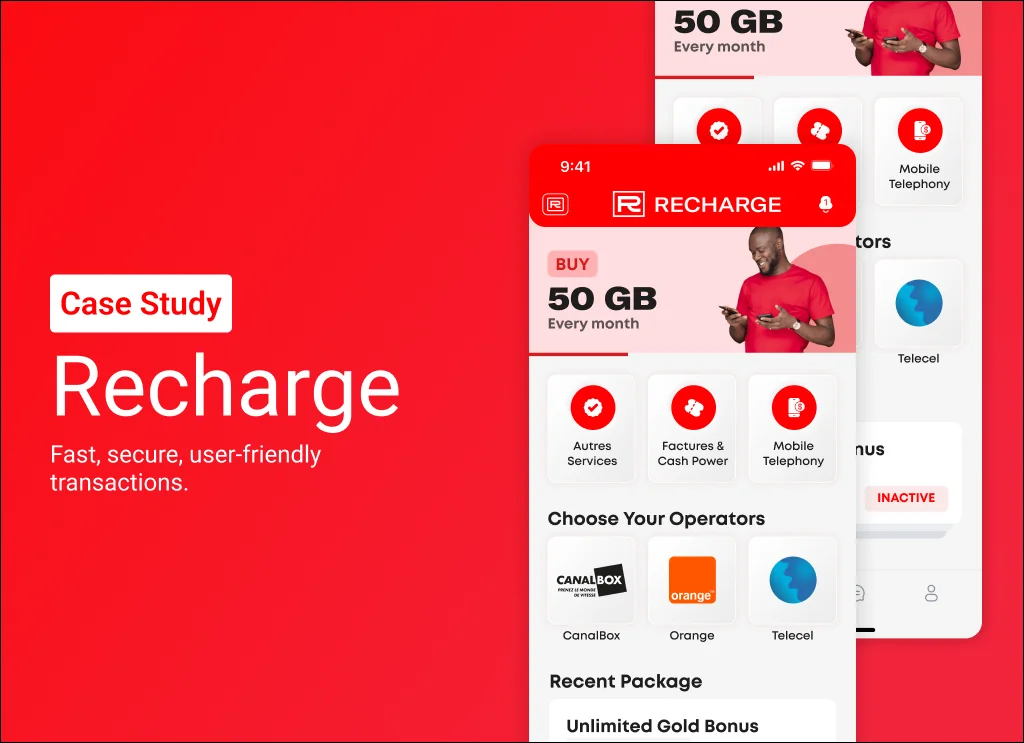
Recharge
Recharge App – Streamlining Mobile Top-Ups & Empowering Connectivity Overview Recharge App simplifies the process of topping up cellular network packages. It offers users an
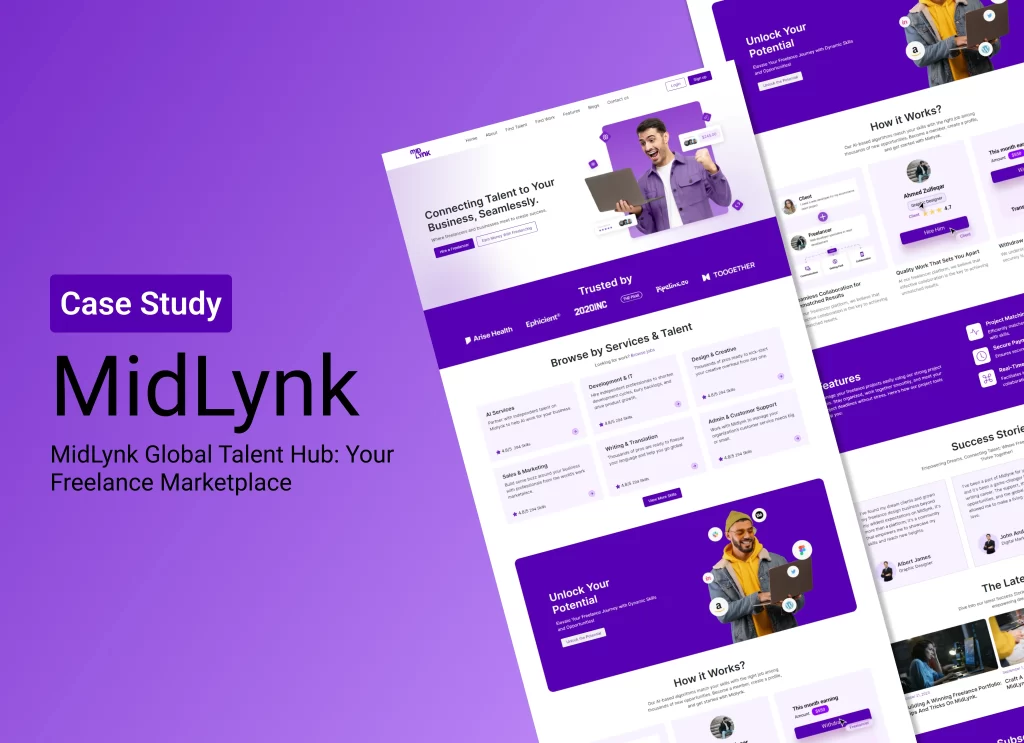
MidLynk – Your Freelance Marketplace
MidLynk – Connecting Talent with Endless Opportunities Overview MidLynk represents a transformative leap forward in the freelancing ecosystem, connecting clients and freelancers in a dynamic,

GYB Commerce blogs

CodeOps: A Smarter Way to Develop Software
Fundamentally, CodeOps is the concept of reusability applied to writing code, removing the burden of reinventing the wheel every time you write a line of

Meet Devin: Your New AI Companion in a World of Possibilities
Cognition has just launched Devin, a revolutionary AI software engineer, aiming to reshape how software development works. Devin’s arrival marks a new era in AI,

Choosing the Right Technology Partner: Key Headings to Consider
Finding the right technology partner for your agency may be a game-changer. But with so many alternatives available, how do you recognize which one is
Rental Commerce Infrastructure That Protects Revenue and Scales With Precision!
Rental eCommerce Development Services succeed when booking logic, pricing governance, and asset management operate as unified infrastructure. GYB Commerce develops rental ecommerce platforms designed to streamline rental operations, protect revenue, and enable long-term growth without operational instability.