

Ecommerce Design Company

Ecommerce Design Company Engineering Conversion-Focused UI and UX

As an ecommerce design company, GYB Commerce engineers User experience (UX) and User interface (UI) as structured revenue systems for enterprise brands. We design scalable storefront frameworks. We align interface logic with backend architecture. We optimize secure checkout flows. We model behavioral journeys. We build conversion-focused ecosystems that increase revenue predictably. Design is not decoration. It is performance infrastructure.

Why Enterprise Brands Require an Ecommerce Design Company Built on Architecture

Enterprise ecommerce performance deteriorates when design decisions are disconnected from system logic. Traffic may grow, yet revenue stagnates. Product discovery becomes fragmented. Checkout abandonment increases. An enterprise ecommerce design company must engineer structural clarity across the entire shopping experience.

Design as Revenue Architecture

Information hierarchy determines how quickly users locate relevant products. Structured navigation reduces friction. Logical category depth improves discoverability. When design functions as revenue architecture, conversion rate stabilizes and Average order value increases systematically. Ecommerce websites increase revenue when the interface removes cognitive resistance and guides momentum toward checkout.

Conversion Modeling From Day One

Conversion Rate Optimization is embedded into UX at inception. We analyze funnel progression from homepage to product catalog to secure checkout. We identify hesitation patterns and abandonment triggers. Design decisions align with CAC efficiency, LTV expansion, and ROAS stability. UX becomes financially disciplined rather than visually reactive.

Performance Across the Customer Journey

Enterprise traffic originates from organic search, paid campaigns, and returning customers. Responsive design must remain consistent across devices. Mobile-first design ensures clarity on smaller screens. The shopping experience must convert predictably regardless of traffic source. UX precision protects revenue under growth conditions.

Our Core Ecommerce Design Services

Our ecommerce design services are structured to support enterprise growth and long-term system stability. We design high-performing websites that convert under operational pressure, catalog expansion, and integration complexity. Each service area is engineered to function as part of a unified revenue system rather than as isolated creative output.

UX Research and Behavioral Intelligence

Every engagement begins with structured analysis. We examine funnel progression, abandonment patterns, engagement metrics, and behavioral friction across the shopping experience. Analytics, heatmaps, and session recordings inform structural decisions. This ensures ecommerce websites are optimized for conversions based on real user behavior rather than assumptions.

Conversion Modeling and Funnel Engineering

Conversion Rate Optimization is embedded directly into the design framework. We model how users transition from homepage to category, from category to product detail, and from product page to secure checkout. Interface hierarchy is shaped to reduce hesitation and accelerate decision-making. Design becomes a predictable conversion mechanism.

Scalable Design Systems for Enterprise Catalogs

Enterprise catalogs demand structural consistency. We engineer reusable UI systems that maintain clarity across thousands of SKUs, dynamic promotions, and merchandising shifts. Component-based frameworks reduce inconsistency and support long-term scalability across platforms such as Shopify and Magento without degrading performance.

Checkout Engineering and Secure Payment Architecture

Checkout is the final revenue checkpoint. We streamline field logic, simplify shipping visibility, and structure payment gateway integration for clarity and reliability. Secure checkout must be intuitive, stable, and transparent. Friction reduction at this stage directly influences completion rates.

Mobile-First Design and Performance Optimization

Mobile commerce drives enterprise revenue. We build mobile-first experience frameworks that prioritize usability, speed, and navigation clarity. Interface hierarchy adapts seamlessly to smaller screens while preserving persuasion logic. Performance optimization supports both engagement and AI visibility.

Continuous Optimization and CRO Calibration

Design does not conclude at launch. We implement structured CRO testing programs to monitor conversion rate, Average order value, and revenue per session. Optimization becomes systematic and iterative. UX evolves based on measurable performance rather than periodic redesign cycles.

Technical UX Architecture and Platform Compatibility

An ecommerce design company must design with infrastructure awareness. Interface decisions influence backend stability, API response timing, and system scalability. Design that ignores platform realities introduces operational risk.

We align UX architecture with:

shopify-logo-png-transparent

Shopify

Magento_icon-icons.com_66749

Magento

WooCommerce

bigcommerce_logo_icon_247476

BigCommerce

WordPress

Each environment introduces structural nuances. Catalog logic, promotional rules, and checkout workflows must be engineered within platform constraints. UX must respect these parameters to remain stable at scale.

API Integration and Data Integrity

Enterprise commerce relies heavily on API integration for pricing validation, inventory synchronization, and tax calculations. UX flows must account for asynchronous responses without compromising clarity. Clear loading states, precise confirmations, and structured error handling preserve user trust. Ecommerce platform integration becomes part of design architecture.

Headless Commerce and Structured Markup

Headless commerce architectures decouple frontend presentation from backend systems. This increases flexibility but requires disciplined interface governance. We engineer lightweight UI frameworks that preserve Core Web Vitals stability while supporting complex backend logic. Structured data markup strengthens Search Engine Optimization and improves AI visibility across search ecosystems.

Performance Engineering and Core Web Vitals

Page speed directly influences conversion rate. Slow rendering increases abandonment and weakens visibility on search engines. We optimize script sequencing, image compression, and layout stability at the design phase. Performance is engineered proactively rather than corrected later.

Design-Led Conversion Infrastructure

Design influences financial performance directly. Ecommerce websites increase revenue when interface clarity supports behavioral progression and reduces friction.

Revenue-focused UX engineering drives:

Information Architecture and Search Alignment

Structured category hierarchies improve discoverability and internal linking depth. Logical architecture enhances Search Engine Optimization and supports structured data markup. Visibility on search engines depends as much on clean architecture as it does on keyword targeting.

Product Page Persuasion Framework

Product detail pages must reduce cognitive load and accelerate decision-making. Reviews, specifications, comparison modules, and FAQs are layered strategically to guide users logically. Structured persuasion increases conversion rate predictability.

Secure Checkout Optimization

Secure payment processing must feel seamless and transparent. We remove unnecessary friction while maintaining compliance and stability. Payment gateway integrations are engineered for clarity and speed, reducing abandonment at the most critical revenue stage.

ECommerce Design Case Studies

01

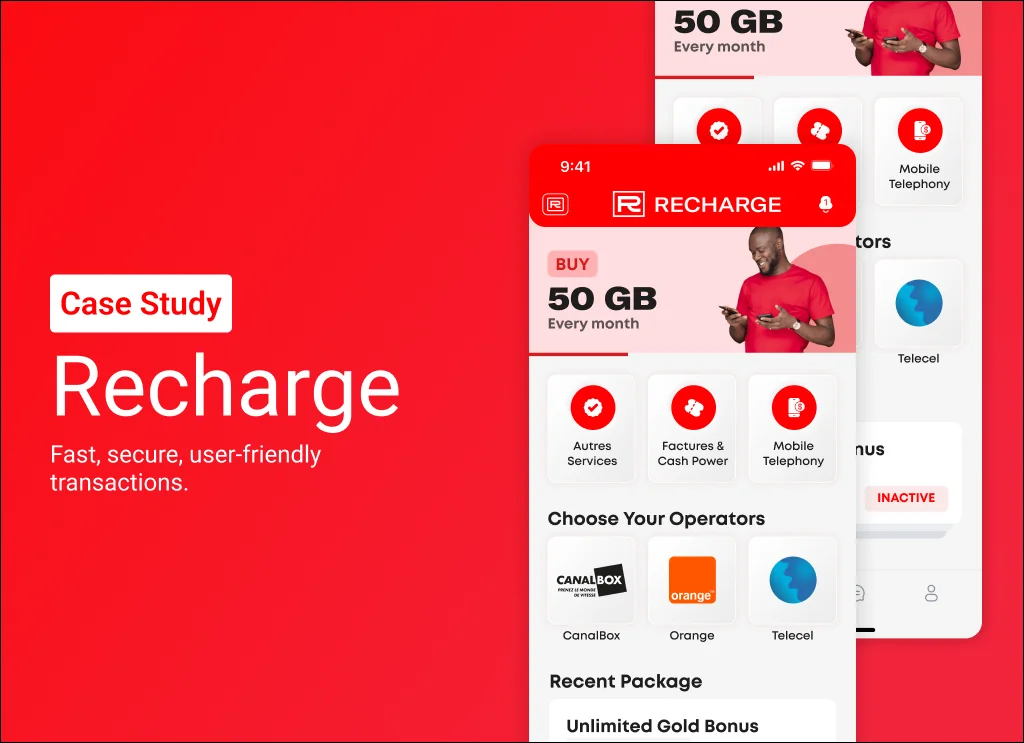
A national retail brand partnered with GYB Commerce after experiencing stagnant revenue despite strong traffic growth. Conversion rate fluctuated. Category expansion created structural inconsistency. Product discovery depth increased unnecessarily. Checkout abandonment exceeded internal benchmarks. Customer acquisition cost was rising faster than lifetime value.

Structural Gaps Identified

The storefront had evolved incrementally without architectural governance. Category logic lacked standardization. Filters varied between product families. Product pages buried key trust elements. Mobile layouts were compressed adaptations rather than engineered systems. Core Web Vitals underperformance affected both search visibility and user trust.

UX Engineering Intervention

We rebuilt the information architecture to reduce discovery friction and standardize filtering logic. Product detail pages were redesigned with structured persuasion sequencing. Secure checkout flow was streamlined to eliminate unnecessary fields while preserving compliance. Structured data markup improved AI visibility, and layout stability improvements strengthened performance metrics.

Measurable Impact

Within two quarters, conversion rate increased by 23 percent. Average order value rose by 14 percent. The bounce rate declined significantly. Mobile checkout completion improved. Paid acquisition ROAS stabilized due to improved funnel efficiency.
The improvement came from structural UX discipline, not cosmetic redesign.

02

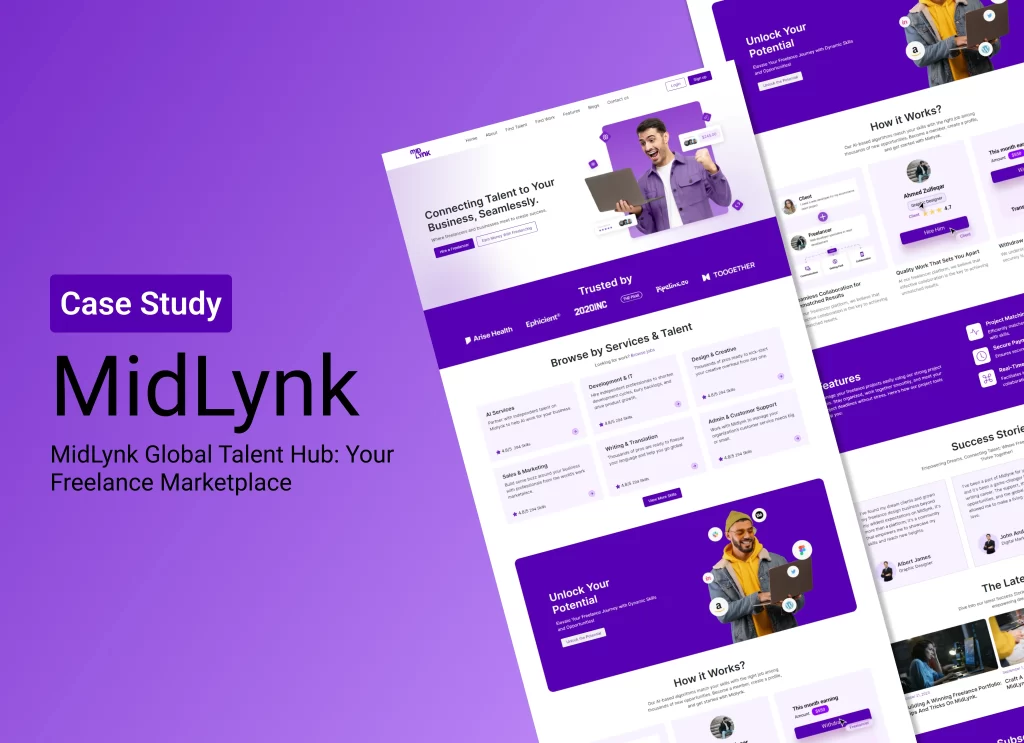
A multi-warehouse distributor operating on Magento faced conversion instability tied to backend complexity. ERP synchronization delays caused pricing inconsistencies. Tiered pricing logic lacked visual clarity. Inventory visibility across warehouses reduced buyer confidence. Cart abandonment was increasing among repeat customers.

Integration Misalignment

API recalculations during checkout introduced latency without clear user feedback. Pricing breakdowns were fragmented. Inventory indicators were inconsistent. The platform supported complex logic, but the UX layer failed to communicate it effectively.

Interface and API-Aware Redesign

We aligned the UX architecture with backend timing logic. Loading states were standardized to preserve trust during recalculations. Pricing tiers were restructured into clear comparison modules. Inventory visibility was clarified across fulfillment locations. Checkout sequencing was simplified while maintaining multi-warehouse logic integrity.

Business Outcomes

Repeat purchase conversion increased by 16 percent. Cart abandonment declined by 20 percent. Customer lifetime value improved due to reduced friction. Support tickets related to pricing confusion decreased. Operational efficiency improved alongside revenue stability.

Technical Architecture Breakdown

Layer

Information Architecture

Product Framework

Checkout Layer

API Interaction

Performance Layer

Design Consideration

Structured category hierarchy

Persuasion-based layout

Friction reduction

Transparent recalculation states

Layout stability and script control

Conversion Impact

Faster product discovery

Higher conversion rate

Lower abandonment

Preserved user trust

Faster rendering

Technical Alignment

Structured data markup

Component-based UI system

Secure payment integration

Optimized API integration

Core Web Vitals compliance

Business Outcome

Stronger organic visibility

Increased Average order value

Improved revenue capture

Reduced operational friction

Improved search rankings

Capability: Pricing Management

Pricing Management

Procurement

System Integration

Inventory Updates

Omnichannel

Scalability

Legacy B2B Model

Manual discounting

Email and rep-driven

Disconnected tools

Batch-based

Limited

Operational bottlenecks

Modern B2B eCommerce Solution

Automated bulk pricing configurations

Self-service ordering and punchout catalogs

Centralized ERP, PIM, and CRM integration

Real-time synchronization

Unified omnichannel storefronts

Cloud-native platform architecture

arrow

Why Choose GYB Commerce as Your Ecommerce Design Company

Architecture-First Discipline

We define structural logic before visual direction. Information architecture, funnel progression, and backend alignment are engineered prior to aesthetic decisions. This prevents scalability issues later.

Conversion Economics Integration

UX decisions are tied directly to conversion rate stability, CAC efficiency, LTV expansion, and ROAS predictability. Design serves measurable business performance.

Platform-Sensitive Expertise

We design within the operational realities of Shopify, WooCommerce, and BigCommerce environments. Platform constraints are incorporated into planning rather than discovered mid-development.

Integration Governance

Ecommerce platform integration with ERP, CRM, inventory, and payment systems is treated as part of UX architecture. Data clarity supports user trust and operational accuracy.

Performance Engineering Commitment

Core Web Vitals stability, structured markup precision, and responsive rendering discipline are embedded from the beginning. Performance is engineered, not retrofitted.

What Clients Say About Working With Us

We believe in transparency. Here is honest feedback from leaders who trusted us with their infrastructure.

Rated 5 out of 5
4.9
Rated 4.5 out of 5

Frequently Asked Questions

Quick answers to the most common questions

An enterprise ecommerce design company engineers structural conversion systems aligned with backend architecture and measurable business metrics. The focus extends beyond visual presentation to include funnel modeling, integration discipline, and performance stability under scale.

Performance improves through structured information hierarchy, checkout friction reduction, mobile-first optimization, and continuous Conversion Rate Optimization testing. Each interface decision is aligned with conversion rate, Average order value, and revenue consistency objectives.

API integration timing, pricing validation flows, inventory synchronization, and ERP logic are mapped during the discovery phase. The interface layer is then designed to reflect those behaviors clearly, preventing latency confusion and preserving user trust.

Structured data markup, logical internal linking, and Core Web Vitals optimization are embedded into the architecture. URL mapping and metadata continuity preserve search equity while improving visibility across search engines.

Engagements begin with structured discovery and architectural modeling, followed by UX prototyping, design system development, backend alignment, performance validation, and phased rollout. Scope and duration vary based on catalog complexity and integration depth.

Contact us

Partner with Us for Comprehensive IT

We’re happy to answer any questions you may have and help you determine which of our services best fit your needs.

Your benefits:
What happens next?
1

We Schedule a call at your convenience 

2

We do a discovery and consulting meting 

3

We prepare a proposal 

Schedule a Free Consultation

Technologies that we use.

OpenAI
Anthropic Claude
LangChain
Amazon Web Services
WhatsApp Business API
LlamaIndex
n8n
FastAPI

Ready to reduce your technology cost?

Our success stories

GYB Commerce blogs

Engineered UX. Predictable Growth Through Structured Commerce Design!

Enterprise ecommerce performance improves when interface architecture aligns with backend systems and financial metrics. Structured UX reduces friction, stabilizes conversion rate, and protects revenue at scale. Design must function as infrastructure, not decoration.

top
Simplifying IT
for a complex world.
Platform partnerships