
Food and Grocery Ecommerce Development

Engineering Perishable Commerce Infrastructure for Modern Food Retailers
GYB Commerce delivers Food and Grocery ecommerce Development built for operational precision, hyperlocal fulfillment control, and enterprise grocery scalability. We develop governed online grocery platforms that integrate inventory synchronization, delivery slot management, ERP and POS connectivity, and cold chain logistics integration into one unified infrastructure. If you are planning to modernize grocery operations, launch a hyperlocal delivery model, or consolidate multi-store commerce into a single system, schedule a structured architecture consultation with our team today.
Why Grocery Commerce Requires a Different Architectural Approach
Grocery is not conventional ecommerce. It operates under biological constraints, inventory volatility, regulatory oversight, and strict delivery windows. The infrastructure must manage time-sensitive assets rather than static products.
Perishability and Expiry Governance
Food inventory decays. That simple fact changes everything. A structured grocery commerce system must track batch data, expiry timelines, and stock rotation logic in real time. Unlike general ecommerce, where unsold inventory may remain viable for months, grocery systems must actively prioritize near-expiry products and prevent overselling inventory approaching spoilage. When expiry governance is not engineered into the platform, loss is inevitable. Stock discrepancies grow. Waste increases. Margins shrink.
Variable Weight and Pricing Accuracy
Many grocery products are priced by weight rather than fixed SKU values. Architecture must therefore reconcile estimated checkout totals with final fulfillment weights while maintaining payment accuracy. Without weight-based pricing logic embedded in the order lifecycle, disputes and revenue leakage become operational friction points. Grocery ecommerce website development must accommodate dynamic recalculation rather than static product pricing models.
Cold Chain and Time Sensitivity
Cold chain logistics integration is foundational to food retail. Temperature-sensitive products require structured coordination between storage, dispatch timing, and delivery windows. A governed infrastructure aligns warehouse dispatch cycles with delivery slot commitments. If a delivery slot is missed or delayed, escalation workflows must activate automatically to preserve product integrity. Grocery infrastructure is therefore about operational continuity, not visual presentation.
Core Architecture of Food and Grocery Ecommerce Development
A scalable online grocery platform is a coordinated ecosystem of subsystems working in structured alignment. The objective is to enable grocery retailers to manage inventory digitally, process orders securely, and scale efficiently without operational breakdown.
Lorem ipsum dolor sit amet, consectetur adipiscing elit. Ut elit tellus, luctus nec ullamcorper mattis, pulvinar dapibus leo.
Inventory Management System Governance
Inventory management for grocery stores must operate in real time across physical and digital environments. The architecture integrates stock logic across retail outlets, warehouses, and dark stores to prevent mismatches between displayed availability and actual supply. At the enterprise level, the system is responsible for inventory accuracy across:
- Store-level stock visibility
- Warehouse allocation logic
- Expiry-aware stock rotation
ERP integration supports procurement visibility and supplier coordination, while POS integration ensures in-store transactions reflect immediately in online availability. When inventory synchronization functions correctly, operational friction decreases and spoilage loss is reduced.
Order Management and Fulfillment Orchestration
An advanced order management system acts as the operational nerve center of a digital food ordering system. It determines which fulfillment node should process an order, how substitutions are handled, and how partial fulfillment is governed. Order routing must consider proximity, inventory availability, delivery commitments, and picking capacity. Structured orchestration ensures orders are processed accurately even during peak demand windows. The system does not merely confirm transactions. It manages the lifecycle of grocery fulfillment from checkout to dispatch to final reconciliation.
Delivery Slot Governance and Capacity Planning
Delivery slot management is a structural requirement within Food and Grocery Hyperlocal Development Services. Customers select time windows with the expectation of precision. The platform must calculate slot availability based on:
- Picking throughput
- Driver capacity
- Geographic radius coverage
Capacity governance ensures that orders are neither overcommitted nor delayed due to logistical bottlenecks. When delivery slots are engineered correctly, grocery operations maintain service reliability even during high-demand cycles.
If you are evaluating food and grocery ecommerce development solutions that can handle slot-based fulfillment without operational strain, request a technical architecture briefing with our specialists.
Hyperlocal Grocery Infrastructure and Last-Mile Coordination
Hyperlocal grocery operations depend on geographic precision and dynamic routing. A hyperlocal delivery platform cannot rely on static service areas. It must adapt in real time to inventory conditions and delivery capacity.
Geo-Intelligent Radius Architecture
Hyperlocal infrastructure integrates geo-fencing logic, serviceability validation, and multi-store mapping. When customers place grocery orders online, the system evaluates fulfillment feasibility instantly based on stock location and route efficiency. Micro-fulfillment centers and dark stores become part of a coordinated network rather than isolated inventory nodes. This enables delivery accuracy while maintaining speed.
Real-Time Tracking and Routing Governance
Real-time order tracking is not only a customer experience enhancement. It is a governance tool that enables operational oversight. A structured routing engine provides:
- Live delivery monitoring
- Automated driver assignment
- Time recalibration if delays occur
This level of coordination ensures the system can scale up under demand spikes without compromising delivery integrity.
Hyperlocal grocery models require disciplined engineering rather than quick-launch templates. If you are preparing to roll out a hyperlocal grocery commerce model, connect with our team to define infrastructure before execution.
B2C Grocery Ecommerce and B2B Food Distribution in One Unified Framework
Many food retailers operate across both retail and wholesale channels. A fragmented technology stack increases operational complexity and weakens oversight. Food and Grocery ecommerce Development must support both B2C grocery ecommerce and B2B food distribution within a unified system.
B2C Grocery Ecommerce Infrastructure
Retail-focused grocery platforms emphasize convenience, loyalty, and repeat purchase cycles. Subscription models, recurring delivery schedules, and personalized offers must integrate seamlessly with backend inventory logic. The architecture must enable real-time order tracking, secure payment processing, and optimized checkout experience while maintaining strict stock synchronization discipline.
B2B Food Distribution Architecture
B2B food distribution introduces layered pricing, bulk procurement cycles, and contract-driven workflows. The system must support tiered pricing, scheduled dispatch, account-based reporting, and approval governance. Key B2B structural requirements include:
- Tiered pricing and contract logic
- Scheduled bulk procurement workflows
- Credit and invoice governance
Unlike consumer checkout flows, B2B operations demand ERP-level financial alignment and structured approval hierarchies.
A unified platform that supports both B2C grocery ecommerce and B2B food distribution eliminates duplication, enhances reporting clarity, and strengthens governance across the enterprise.
If you are planning to consolidate retail and wholesale operations under a scalable grocery ecommerce solution, initiate a structured consultation with our architecture team today.
Grocery Marketplace Platform Engineering for Multi-Vendor Food Commerce
Grocery ecosystems increasingly evolve into multi-vendor environments where independent sellers, regional suppliers, and specialty brands operate under a unified commerce framework. A grocery marketplace platform must therefore function beyond basic product listing capabilities. It must enforce operational governance.
Vendor Onboarding and Governance Control
A structured grocery marketplace platform integrates approval workflows, product catalog governance, and vendor-level performance monitoring. Each seller operates within controlled parameters defined by service level agreements, stock accuracy expectations, and compliance standards. Without governance logic, marketplace models quickly devolve into inconsistent pricing, unreliable fulfillment, and fragmented customer experience.
Commission Orchestration and Split Settlements
Multi-vendor food commerce requires accurate commission logic. The system must calculate vendor payouts dynamically based on product categories, delivery zones, promotional participation, and settlement cycles. Split settlement architecture ensures:
Function
Commission calculation
Vendor payouts
Returns management
Promotional adjustments
Infrastructure Requirement
Automated rules engine
Integrated financial reconciliation
Vendor liability tracking
Real-time commission recalculation
Inventory Accountability Across Vendors
Vendor inventory synchronization is essential to prevent overselling and delivery failure. A marketplace must maintain visibility across all vendor stocks while preserving individual seller autonomy. Inventory governance within marketplace architecture ensures operational clarity across all participating vendors without compromising system stability If you are planning to build or scale a grocery marketplace platform, request a marketplace architecture assessment to evaluate commission logic, vendor governance, and fulfillment discipline..
SaaS Grocery Builders vs Enterprise Grocery Architecture
Many businesses begin with template-based SaaS grocery tools. These platforms may enable quick launch but rarely sustain operational complexity at scale.
Below is a structured comparison between SaaS grocery builders and enterprise Food and Grocery ecommerce Development executed by GYB Commerce.
SaaS models optimize for convenience. Enterprise grocery architecture optimizes for operational continuity and revenue protection.
If you are evaluating whether to migrate from a SaaS grocery builder to an enterprise-grade solution, schedule a migration feasibility consultation with our team.
Industry Application Infrastructure Mapping
Food and Grocery ecommerce Development must adapt to different retail models. The infrastructure varies by segment, but governance remains central.
Segment
Supermarkets
Quick commerce
startups
Organic produce brands
Cloud kitchens
Wholesale distributors
Beverage retailers
Infrastructure Requirements
Multi-store management, POS integration, slot governance
Hyperlocal routing, micro-fulfillment integration
.
Expiry governance, batch traceability
Scheduled dispatch, inventory forecasting
Tiered pricing, ERP integration, credit workflows
Compliance logic, age verification systems
Revenue Risk Managed
Stock mismatch and delivery delay
Capacity overload and SLA failure
.
Spoilage and regulatory non-compliance
Ingredient stockouts
Billing discrepancies
Regulatory exposure

Why GYB Commerce for Food & Grocery ECommerce Development
GYB Commerce delivers Food and Grocery ecommerce Development with an architecture-first approach. We do not treat grocery as a storefront project. We treat it as operational infrastructure that must perform under daily pressure.
Architecture Before Interface
We design the operational backbone before designing the interface. Inventory logic, fulfillment routing, slot governance, and financial reconciliation are structured first. This ensures the platform is stable, scalable, and capable of handling real grocery complexity before any visual layer is introduced.
Governance Embedded Into Workflows
Grocery systems fail when processes rely on manual oversight. We embed governance directly into transaction flows. Delivery slot allocation, substitution logic, and inventory allocation are rule-driven. This reduces errors and enforces operational discipline automatically.
Integration Depth, Not Plugin Dependency
Enterprise grocery operations require structured ERP integration and POS integration. We build direct integration pathways rather than stacking extensions. This maintains real-time stock visibility, financial accuracy, and centralized reporting across stores and warehouses.
Scalability Designed From Day One
Scalability is engineered at the data and workflow level. We design systems to handle multi-store expansion, hyperlocal growth, and increasing order volumes without structural redesign. Growth does not require re-architecture because scale is built into the foundation.
Risk Mitigation Through Structured Engineering
Food commerce carries inherent risk. Expiry mismanagement, slot failures, and stock discrepancies erode margins quickly. Our approach focuses on prevention. Expiry-aware rotation, capacity-based slot modeling, and automated reconciliation workflows protect operational continuity.
Challenge:
A regional supermarket chain operating 18 stores faced stock discrepancies between physical locations and its digital storefront, resulting in frequent order cancellations.
Infrastructure Solution:
We implemented centralized inventory synchronization, structured delivery slot governance, and POS integration across all retail outlets.
Outcome:
Stock mismatch reduced by 38 percent within six months. Delivery accuracy improved by 42 percent. Operational reporting became unified across all locations.
Challenge:
A quick commerce startup struggled with peak-hour overload and inconsistent delivery slot commitments.
Infrastructure Solution:
We engineered geo-intelligent radius logic, capacity-based slot allocation, and automated driver routing within a scalable hyperlocal delivery platform.
Outcome:
Delivery SLA compliance increased by 47 percent. Peak-hour order handling capacity tripled without performance degradation.
If you would like to explore how structured grocery infrastructure can produce measurable operational gains, request a case review consultation.
What Clients Say About Working With Us
We believe in transparency. Here is honest feedback from leaders who trusted us with their infrastructure.


Frequently Asked Questions
Quick answers to the most common questions
How is food and grocery ecommerce development different from regular ecommerce?
Food and grocery ecommerce development involves perishable inventory governance, delivery slot management, and cold chain coordination. Unlike traditional ecommerce, where products remain stable over time, grocery systems must actively manage expiry cycles, dynamic pricing adjustments, and real-time fulfillment commitments.
What is required to build an online grocery platform?
Building an online grocery platform requires structured integration of inventory synchronization, ERP and POS systems, delivery slot governance, and hyperlocal routing logic. The infrastructure must support multi-store management and scalable order processing without operational breakdown.
How does hyperlocal delivery platform architecture work?
A hyperlocal delivery platform uses geo-intelligent radius logic and dynamic routing to determine serviceability in real time. It aligns driver capacity, slot commitments, and warehouse availability to ensure delivery accuracy within defined geographic zones.
How do you manage inventory management for grocery stores with perishable goods?
Perishable inventory is managed through expiry-aware stock rotation, batch-level tracking, and synchronized updates across stores and warehouses. Automated logic prevents overselling near-expiry products and prioritizes time-sensitive dispatch.
Can ERP and POS systems be integrated?
ERP integration ensures procurement and financial alignment, while POS integration synchronizes in-store transactions with online availability. This creates a unified retail grocery management system with centralized reporting.
What is the typical timeline for enterprise grocery platform deployment?
Timeline depends on scope, integration complexity, and multi-store requirements. Structured enterprise grocery systems typically require phased deployment to ensure stable integration and operational continuity.
Partner with Us for Comprehensive IT
We’re happy to answer any questions you may have and help you determine which of our services best fit your needs.
Your benefits:
- Client-oriented
- Independent
- Competent
- Results-driven
- Problem-solving
- Transparent
What happens next?
We Schedule a call at your convenience
We do a discovery and consulting meting
We prepare a proposal
Schedule a Free Consultation
Technologies that we use.
Ready to reduce your technology cost?

Our success stories

SEGO- Upgrade Your Life
SEGO Teams Up with GYB Commerce for a Digital Makeover Overview The modern man’s lifestyle can survive without the use of smartphones, and they have
Recharge
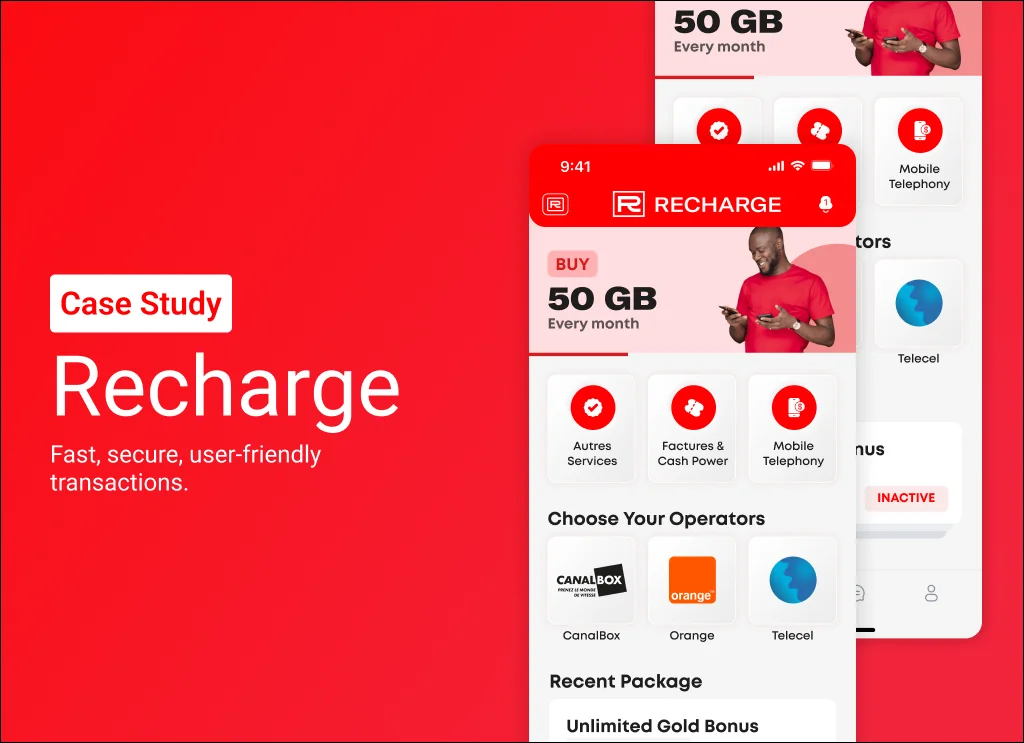
Recharge App – Streamlining Mobile Top-Ups & Empowering Connectivity Overview Recharge App simplifies the process of topping up cellular network packages. It offers users an

MidLynk – Your Freelance Marketplace
MidLynk – Connecting Talent with Endless Opportunities Overview MidLynk represents a transformative leap forward in the freelancing ecosystem, connecting clients and freelancers in a dynamic,
GYB Commerce blogs

Top Ecommerce Scalability Challenges And How Modern Commerce Platforms Solve Them
Many ecommerce platforms perform perfectly until rapid growth exposes the limitations hidden beneath the surface. Traffic isn’t what breaks an ecommerce business. Poor architecture does.

Marketplace Vs B2B Vs Traditional Ecommerce: Choosing The Right Business Model
The success of an ecommerce business often depends more on its core framework than the actual products it sells. Many founders invest heavily in software

How ERP CRM Integration Improve Ecommerce Operations And Customer Experience
Growing ecommerce businesses often struggle because their systems operate independently instead of working together. Every order touches multiple departments. Disconnected systems slow everything down. Modern
Build Grocery Infrastructure That Performs Under Pressure
GYB Commerce engineers scalable grocery ecommerce platforms built to scale grocery operations, streamline order processing, and protect revenue integrity.
If you are ready to modernize your food commerce infrastructure, schedule a structured consultation and begin engineering for long-term performance today.