


Ecommerce Replatforming Services From Legacy Platform to Future-Ready Commerce Architecture
As an ecommerce replatforming and ecommerce migration services partner, GYB Commerce leads structured digital transformation for growing brands. We migrate ecommerce platforms without revenue disruption. We replace legacy platform constraints with scalable cloud infrastructure. We preserve data integrity and search visibility. We integrate ERP, CRM, and third-party systems with architectural discipline. Ecommerce replatforming is not a redesign. It is a controlled transition to modern commerce infrastructure built for scale, performance, and long-term agility.
Why Ecommerce Replatforming Is a Strategic Transformation Initiative
Ecommerce replatforming becomes necessary when systems no longer support growth velocity, integration depth, or customer expectations. What appears as minor performance friction often reveals deeper structural limitations inside the commerce stack.
Technical Debt Accumulation and Platform Constraints
A legacy ecommerce platform gradually accumulates technical debt through patches, temporary fixes, and disconnected extensions. Over time, performance instability increases. Integration complexity compounds. Deployment cycles slow. Infrastructure becomes responsible for growth bottlenecks rather than enabling expansion. Ecommerce migration services eliminate structural inefficiencies and modernize commerce infrastructure at its foundation.
Digital Transformation Beyond Cosmetic Redesign
Replatforming ecommerce is not about aesthetic refresh. It is about transitioning to modern architecture that supports composable commerce, API-first architecture, and cloud-native infrastructure. Digital transformation requires replacing outdated hosting environments, upgrading integration layers, and redesigning system workflows. The objective is architectural agility. Migration becomes the catalyst for future-ready commerce operations.
Business Continuity During Transition
Strategic transformation must protect revenue continuity. Ecommerce migration services must preserve customer experience (CX), maintain checkout reliability, and safeguard transaction data. Deployment sequencing, validation protocols, and rollback safeguards ensure the transition occurs without operational disruption. Migration strategies minimize risk while enabling structural modernization.
Ecommerce Migration Services Designed for Controlled Modernization
At GYB Commerce, ecommerce replatforming is executed as a governed transformation program. We migrate ecommerce platforms with architectural precision and measurable performance objectives.
Our ecommerce migration services include:
- Platform migration to cloud-native infrastructure
- Secure data migration with relational validation
- API-based system integration
- SEO preservation during ecommerce replatforming
- Performance optimization during transition
- Controlled deployment and post-launch monitoring
Each phase is structured to reduce operational complexity, eliminate technical debt, and enable scalable growth across the entire commerce ecosystem.
Architecture-First Ecommerce Replatforming Framework
Structured migration requires a disciplined execution framework. Each phase is engineered to protect business continuity while modernizing infrastructure.
Technical Audit and Commerce Blueprint

Secure Ecommerce Data Migration Services
API-First Integration and System Continuity
SEO Preservation and Search Stability

Platforms We Migrate and Modernize
Successful ecommerce replatforming requires platform-sensitive expertise. Each ecosystem introduces architectural nuances that influence migration sequencing and system integration.
We execute ecommerce migration services across:
Salesforce Commerce Cloud
Shopify Plus
Magento
BigCommerce
Headless commerce
Migration to headless commerce architectures introduces decoupled frontend flexibility. Transitioning to Shopify Plus enhances cloud scalability. Migrating from outdated Magento versions reduces technical debt. Each transition is engineered according to operational goals rather than platform trends.
Risk Governance During Ecommerce Migration
Replatforming ecommerce introduces operational risk if unmanaged. Governance frameworks ensure stability throughout transition.
- Phased rollout planning to minimize downtime during migration
- Parallel environment testing to validate integrations
- Load testing to confirm cloud architecture scalability
- SLA-based deployment sequencing
- Structured rollback strategy in case of anomaly
Migration strategies minimize risk. Cloud solutions improve performance. Modern platforms enable scalability.
Ecommerce Replatforming Case Studies
Enterprise ecommerce replatforming is validated by measurable transformation. The following engagements demonstrate how structured ecommerce migration services reduce technical debt, modernize infrastructure, and unlock scalable growth.
A global B2B distributor operating on a heavily customized legacy platform approached GYB Commerce after years of performance degradation and integration instability. The existing environment relied on rigid monolithic architecture, making every upgrade complex and expensive. Deployment cycles required extended downtime. ERP synchronization frequently lagged during peak traffic.
Architectural Constraints Identified
The legacy ecommerce platform had accumulated significant technical debt. Third-party integrations were layered incrementally without governance. API latency during checkout created friction in the customer journey. Infrastructure scaling during seasonal demand resulted in performance instability. Operational efficiency declined as internal teams spent more time maintaining the system than improving it.
Ecommerce Replatforming Execution
We executed a structured ecommerce replatforming initiative to transition the business to a cloud-native, API-first architecture. The migration blueprint mapped ERP, CRM, and PIM integration dependencies. Data migration services preserved customer records, historical orders, pricing logic, and tax configurations. Microservices architecture replaced monolithic constraints. Checkout workflows were rebuilt to ensure real-time pricing validation without latency confusion. Structured SEO preservation protocols maintained URL equity and metadata continuity throughout the transition.
Measurable Business Impact
Within six months of deployment, page load time decreased by 38 percent. Operational efficiency improved as deployment cycles were reduced by nearly half. Technical debt was significantly reduced. Most importantly, the business gained architectural flexibility to introduce new features without destabilizing core commerce infrastructure. Ecommerce replatforming did not simply modernize the interface. It modernized the entire commerce ecosystem.
A fast-growing retail brand operating on outdated hosting infrastructure required ecommerce migration services to support omnichannel commerce expansion. Their existing platform struggled under increasing traffic. Manual workarounds compensated for integration gaps. Cloud infrastructure limitations restricted performance during campaign launches.
Performance and Scalability Limitations
Traffic spikes during promotional events caused server strain. Inventory synchronization with fulfillment partners lagged. Customer experience (CX) suffered due to inconsistent performance. The organization needed to migrate ecommerce platforms to a cloud-based solution built for scalability and resilience.
Controlled Platform Migration Strategy
We implemented a phased migration to Shopify Plus with structured API integration across ERP and fulfillment systems. Data migration governance ensured product catalogs, pricing tiers, and order history were transferred with relational accuracy. Parallel environments allowed testing without disrupting live commerce operations. Core Web Vitals were benchmarked prior to launch. Redirect mapping preserved organic search stability.
Business Outcomes
The migration to cloud infrastructure eliminated infrastructure bottlenecks. Site performance improved across devices. Downtime during campaign launches was eliminated. Time to market accelerated due to simplified deployment workflows. Operational complexity was reduced while scalability increased. Ecommerce migration services enabled sustainable omnichannel growth without compromising customer experience.
Why GYB Commerce for Ecommerce Replatforming
Choosing an ecommerce replatforming partner requires architectural discipline and operational foresight.
Architecture-Led Migration Strategy
We begin with infrastructure evaluation before technology selection. Migration decisions are governed by long-term scalability requirements rather than short-term convenience. This prevents recurring platform limitations after deployment.
Risk-Minimized Execution Framework
Migration strategies minimize risk through phased rollouts, validation checkpoints, and rollback planning. Downtime is minimized. Data integrity is preserved. SLA-backed deployment sequencing ensures business continuity throughout transition.
Integration-Driven Commerce Modernization
Enterprise commerce ecosystems rely on ERP, CRM, PIM, and third-party integration layers. We integrate enterprise systems with APIs that preserve data consistency and operational clarity. Migration strengthens system integration rather than destabilizing it.
Future-Proof Commerce Architecture
We modernize commerce infrastructure using composable commerce principles, microservices architecture, and cloud-native infrastructure. Platforms are optimized for scalability, enabling businesses to scale efficiently as transaction volumes grow.
Performance and Security Governance
Performance optimization and security hardening are embedded into ecommerce migration services from the start. Infrastructure tuning, load testing, and compliance validation ensure stable deployment under peak demand.
API Integration and Scalable Cloud Deployment
Marketplace ecosystems depend on API integration with ERP systems, shipping providers, tax engines, and third-party services. We build scalable cloud-based infrastructure designed to perform reliably under increasing vendor and transaction volume. Performance governance, security hardening, and role-based access control are embedded into deployment. We develop marketplace platforms designed to accelerate marketplace growth while preserving operational control. Each system is tailored to business objectives and built to scale with your business.
How GYB Commerce Differentiates in Ecommerce Replatforming
Evaluation Area
Strategic Orientation
Technical Audit Depth
Data Migration Governance
SEO Preservation
Integration Architecture
Risk Management Framework
Performance Engineering
Scalability Readiness
GYB Commerce Approach
Architecture-first ecommerce replatforming aligned with long-term commerce strategy and digital transformation goals
Full-stack audit covering infrastructure, API dependencies, integration layers, and technical debt
Structured data mapping, relational validation, rollback protocols, and phased verification
Pre-migration SEO blueprint, redirect governance, structured data validation, and performance alignment
API-first architecture with synchronized ERP, CRM, PIM, and third-party system integration
Phased rollout, parallel environments, SLA-backed sequencing, and load-tested deployment
Core Web Vitals optimization and cloud-native tuning embedded
during build
Composable commerce and microservices-ready infrastructure built
for expansion
Typical Migration Provider
Platform replacement focused primarily on short-term deployment
Limited platform review focused on visible feature gaps
Bulk transfer with limited relational integrity validation
Basic redirect setup performed late in project cycle
Post-migration integration adjustments and reactive fixes
Single cutover deployment with reactive stabilization
Performance adjustments after
go-live
Platform-dependent scaling with limited modular flexibility
What Clients Say About Working With Us
We believe in transparency. Here is honest feedback from leaders who trusted us with their infrastructure.
Frequently Asked Questions
Quick answers to the most common questions
What is ecommerce replatforming and when should a business consider it?
Ecommerce replatforming refers to migrating from a legacy ecommerce platform to a modern commerce solution that better supports scalability, integration depth, and performance stability. Businesses typically consider ecommerce replatforming when technical debt accumulates, infrastructure limits growth, or customer experience deteriorates due to system constraints.
How long do ecommerce migration services typically take?
The timeline for ecommerce migration services depends on catalog complexity, integration depth, and infrastructure requirements. Enterprise ecommerce replatforming projects generally range from several weeks to several months, depending on system mapping, data validation, and phased deployment strategy.
How is SEO preserved during ecommerce replatforming?
SEO preservation during ecommerce replatforming involves structured URL mapping, redirect governance, metadata continuity, and validation of structured data markup. Performance optimization and Core Web Vitals improvements further protect organic visibility throughout migration.
What are the primary risks in ecommerce replatforming?
The main risks in ecommerce replatforming include data inconsistency, integration latency, downtime, and search visibility loss. Structured governance, phased rollout planning, and comprehensive testing mitigate these risks. Migration strategies minimize risk while maintaining operational continuity.
How do you choose the right platform during ecommerce replatforming?
Platform selection during ecommerce replatforming is based on scalability needs, integration complexity, operational workflows, and long-term commerce strategy. Cloud-native infrastructure, API-first architecture, and composable commerce readiness are evaluated against business growth objectives before recommending a solution.
Partner with Us for Comprehensive IT
We’re happy to answer any questions you may have and help you determine which of our services best fit your needs.
Your benefits:
- Client-oriented
- Independent
- Competent
- Results-driven
- Problem-solving
- Transparent
What happens next?
We Schedule a call at your convenience
We do a discovery and consulting meting
We prepare a proposal
Schedule a Free Consultation
Technologies that we use.
Ready to reduce your technology cost?
Our success stories
SEGO- Upgrade Your Life
SEGO Teams Up with GYB Commerce for a Digital Makeover Overview The modern man’s lifestyle can survive without the use of smartphones, and they have
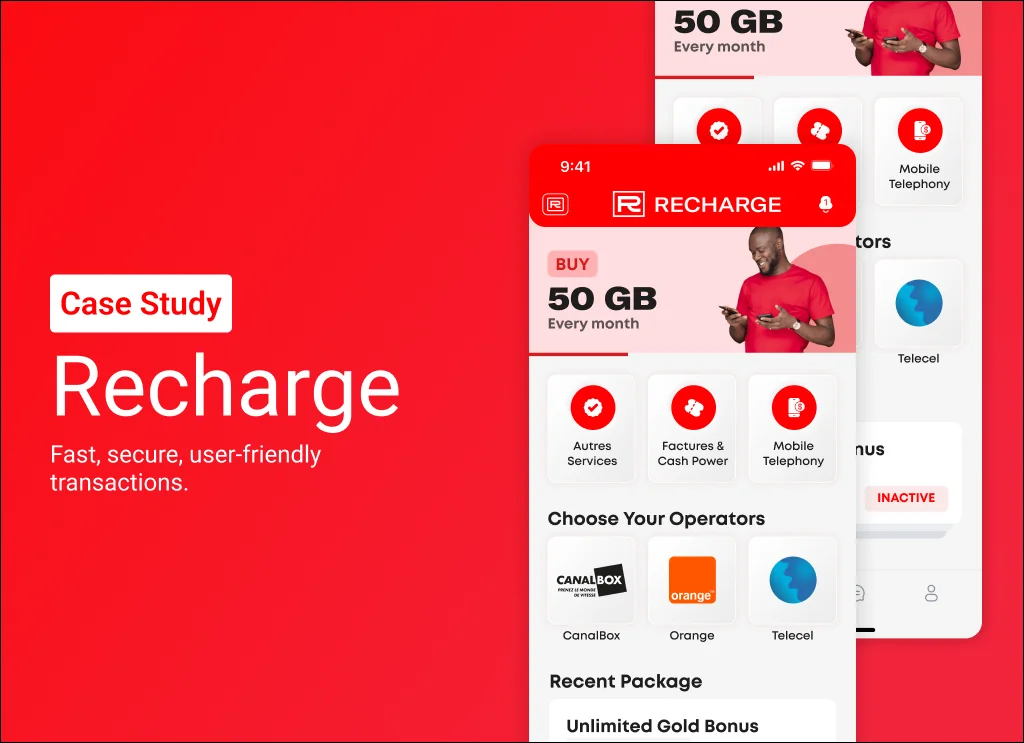
Recharge
Recharge App – Streamlining Mobile Top-Ups & Empowering Connectivity Overview Recharge App simplifies the process of topping up cellular network packages. It offers users an
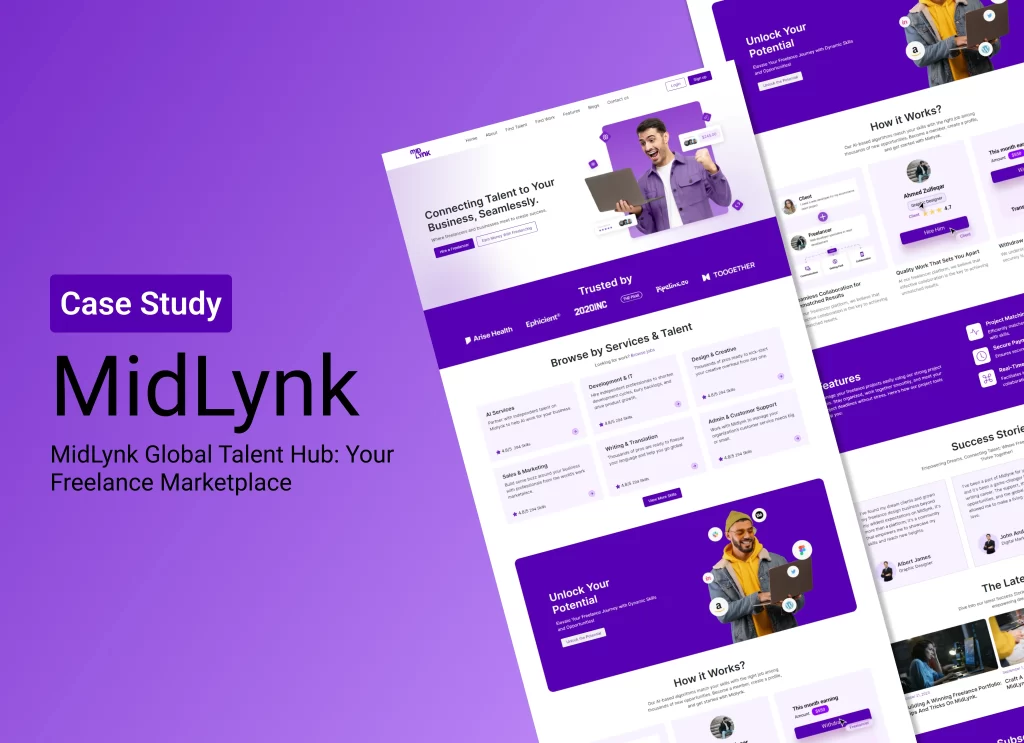
MidLynk – Your Freelance Marketplace
MidLynk – Connecting Talent with Endless Opportunities Overview MidLynk represents a transformative leap forward in the freelancing ecosystem, connecting clients and freelancers in a dynamic,

GYB Commerce blogs

CodeOps: A Smarter Way to Develop Software
Fundamentally, CodeOps is the concept of reusability applied to writing code, removing the burden of reinventing the wheel every time you write a line of

Meet Devin: Your New AI Companion in a World of Possibilities
Cognition has just launched Devin, a revolutionary AI software engineer, aiming to reshape how software development works. Devin’s arrival marks a new era in AI,

Choosing the Right Technology Partner: Key Headings to Consider
Finding the right technology partner for your agency may be a game-changer. But with so many alternatives available, how do you recognize which one is
Modernize Commerce Infrastructure Without Disrupting Growth!
Ecommerce replatforming succeeds when architectural modernization aligns with operational continuity and long-term strategy. Ecommerce migration services must reduce technical debt, protect data integrity, and enable scalable infrastructure across the commerce ecosystem