
CRM Consultants at GYB Commerce

CRM Consultants for Enterprise CRM Strategy, Architecture, and Implementation
Enterprise growth depends on structured customer data, aligned revenue workflows, and scalable CRM architecture. Our CRM consultants design, implement, and optimize enterprise CRM solutions that unify sales, marketing, service, and operations into a measurable revenue system. At GYB Commerce, we approach CRM consulting services as architecture-led transformation, not software configuration, ensuring long-term scalability, integration stability, and operational control.
Why Enterprise Businesses Engage CRM Consultants
CRM platforms often fail to deliver expected value because implementation decisions are made without architectural planning. Workflows become fragmented, reporting becomes inconsistent, and departments operate on disconnected assumptions.
Enterprise organizations typically engage CRM consultants when:
CRM implementation did not align with revenue strategy
Sales and marketing automation workflows conflict
Data migration created inconsistencies
CRM is not integrated with ERP systems or business intelligence tools
Adoption remains low despite significant investment
Disconnected configuration decisions create long-term structural problems. CRM consultants assess existing architecture, identify structural gaps, and design systems that support pipeline visibility, lifecycle tracking, and measurable revenue growth.
Enterprise CRM consulting services focus on aligning technology with business objectives. That means mapping the full customer journey, defining data governance controls, and designing cross-functional workflows before implementation begins.
CRM architecture determines whether leadership receives accurate forecasts or unreliable projections. The difference lies in strategic planning.
Our CRM Consulting Services
Enterprise CRM systems must support complex organizational structures, multi-department workflows, and integrated data environments. Our CRM consulting services are structured around measurable outcomes and long-term governance.
CRM Strategy and Roadmap Development
Every engagement begins with structured discovery. Our CRM consultants assess business requirements, analyze existing processes, and define a CRM roadmap aligned with revenue objectives.
We design CRM architecture that supports:
- Sales pipeline management across territories
- Customer lifecycle tracking
- Marketing automation integration
- Data governance frameworks
- Performance metric alignment
This phase ensures CRM implementation supports long-term scalability rather than short-term configuration fixes.
CRM Implementation Consulting
Implementation without strategy introduces risk. Our CRM consultants implement CRM systems using controlled architecture planning, structured configuration, and validation protocols.
We configure workflows, automation rules, dashboards, and permission models based on defined objectives. Data migration follows mapping validation to preserve accuracy and eliminate duplication.
CRM implementation consulting also includes user adoption strategy, change management planning, and executive reporting alignment.
CRM Optimization and Re-Architecture
Many enterprises operate CRM systems that were configured without long-term planning. Automation becomes inconsistent, dashboards lack clarity, and reporting reliability declines.
Our CRM consultants evaluate system configuration, identify structural inefficiencies, and redesign architecture to improve scalability and performance.
Optimization includes:
- Sales pipeline restructuring
- Automation logic refinement
- Data model redesign
- Performance metrics recalibration
- Integration stability review
CRM Integration Consulting
Enterprise CRM systems rarely operate in isolation. Integration with ERP systems, marketing automation platforms, customer support systems, and business intelligence tools is essential.
Our CRM consulting services include structured integration planning with:
- ERP systems for financial alignment
- Marketing automation platforms for campaign tracking
- Customer support systems for lifecycle continuity
- Business intelligence tools for executive analytics
Integration strategy focuses on data consistency, synchronization stability, and controlled access management.
Enterprise CRM Solutions
Enterprise CRM solutions must support multi-entity environments, territory management models, complex approval hierarchies, and compliance requirements.
Our CRM consultants design enterprise CRM architecture with:
- Role-based security frameworks
- Data governance standards
- Territory and account segmentation models
- Cross-department collaboration controls
- Scalable automation logic
Enterprise CRM consulting services prioritize structural clarity over feature accumulation. A simplified but correctly designed CRM system delivers greater operational value than a complex but unstable configuration.
CRM Platforms Our Consultants Specialize In
Enterprise organizations require CRM consultants with platform-specific architectural expertise. Our team designs and implements CRM systems across leading enterprise platforms.
Salesforce
Our CRM consultants design advanced pipeline models, territory frameworks, and automation logic within Salesforce environments. We integrate Salesforce with ERP systems, marketing automation platforms, and reporting tools to create unified revenue ecosystems.
Microsoft Dynamics 365
For enterprises operating within Microsoft ecosystems, our consultants architect Dynamics 365 solutions aligned with ERP integration and structured data governance. Implementation emphasizes role-based security and process automation.
HubSpot CRM
Our CRM consulting services optimize HubSpot CRM environments for marketing-driven organizations requiring advanced lifecycle automation and performance tracking. Integration planning ensures scalability beyond early-stage growth.
Zoho CRM
For organizations leveraging Zoho CRM, we design scalable workflows, automation logic, and integration frameworks that support operational growth without system fragmentation.
Enterprise CRM consulting requires more than platform familiarity. It requires architectural discipline, integration expertise, and governance planning that ensures CRM systems remain aligned with evolving business objectives.
Our CRM Consulting Framework
Enterprise CRM initiatives require disciplined execution. Our CRM consultants follow a structured framework that reduces risk, strengthens adoption, and ensures measurable outcomes.
We begin by evaluating your current CRM software, sales pipeline structure, reporting logic, automation rules, and integration landscape.
Our CRM consulting services assess:
Business objectives and revenue targets
Existing CRM configuration gaps
Data quality and governance standards
Integration dependencies with ERP systems and marketing automation platforms
User adoption barriers
This assessment establishes a factual baseline. Decisions are driven by operational evidence, not assumptions.
Our CRM consultants design architecture before implementation begins. This stage defines how customer data flows across departments and how workflows support measurable business objectives.
Architecture design includes:
Lead and opportunity lifecycle modeling
Pipeline stage definitions aligned with sales methodology
Automation rule mapping
Role-based security and access models
Reporting hierarchy structure
Enterprise CRM solutions require architectural clarity to prevent long-term fragmentation.
Once architecture is validated, we implement CRM solutions using controlled deployment processes.
CRM consulting services at this stage include:
Workflow configuration
Data migration validation
Automation deployment
API-based integration with ERP systems and business intelligence tools
Testing in controlled environments
Implementation is staged to reduce operational disruption. System integrity is validated before production release.
CRM systems must evolve alongside business growth. Our CRM consultants establish governance frameworks that protect long-term stability.
Post-implementation services include:
KPI tracking refinement
Adoption monitoring
Automation performance analysis
Data governance enforcement
Quarterly architecture reviews
Enterprise CRM consulting extends beyond launch. Ongoing governance prevents degradation and preserves ROI.
CRM Consulting vs Basic CRM Implementation
Many organizations assume CRM implementation alone is sufficient. Structured CRM consulting services provide significantly deeper value.
Evaluation Factor
Business Alignment
Architecture Planning
Data Governance
Integration Depth
User Adoption
Scalability
Long-Term Optimization
Strategic CRM Consultants
Revenue strategy mapping before configuration
Full CRM architecture design
Defined ownership and validation rules
ERP, marketing automation, BI integration strategy
Change management and workflow training
Designed for enterprise growth
Ongoing governance framework
Basic CRM Implementation Partner
Tool setup based on surface requirements
Minimal configuration planning
Limited data oversight
Isolated CRM configuration
Basic user onboarding
Often breaks under scale
Limited post-launch support

Enterprise CRM Solutions by Industry
Different industries require specialized CRM consulting services to address regulatory requirements, operational complexity, and reporting standards.
Healthcare
CRM consultants design HIPAA-conscious data governance frameworks and secure workflow automation to protect patient information while enabling lifecycle visibility.
Financial Services
Enterprise CRM solutions for financial organizations prioritize compliance controls, audit tracking, and integration with financial ERP systems.
Manufacturing
Manufacturing CRM consulting services align opportunity tracking with supply chain systems and production forecasting tools to improve revenue predictability.
Professional Services
CRM consultants design pipeline structures that reflect complex deal cycles, account expansion strategies, and client retention programs.
Technology Companies
High-growth technology firms require scalable CRM architecture that integrates marketing automation platforms and business intelligence tools for precise revenue analytics.
CRM Consulting Cost and Engagement Models
CRM consulting service cost depends on architecture complexity and integration scope. Enterprise CRM solutions require structured planning that prevents future rework.
Key cost variables include:
- Number of users and business units
- Platform selection
- Integration requirements
- Data migration complexity
- Custom automation depth
- Governance and monitoring scope
Engagement models typically include:
- Project-based CRM consulting
- Advisory retainers for ongoing optimization
- Fractional CRM advisor support
- Full transformation programs
CRM consulting companies that emphasize architecture reduce long-term corrective expenses.
Case Study
CRM Re-Architecture for a Multi-Entity US Enterprise
A multi-entity distribution enterprise operating across five states engaged our CRM consultants after experiencing reporting inconsistencies and declining adoption.
The existing CRM software lacked integration with ERP systems and marketing automation platforms. Sales pipeline stages were inconsistent across business units.
Our CRM consulting services included:
- Full CRM audit
- Architecture redesign
- Structured data migration
- Integration with ERP and BI tools
- Adoption enablement program
Within six months:
- Lead conversion increased by 24 percent
- Sales cycle duration decreased by 18 percent
- Executive reporting accuracy improved by 37 percent
- User adoption exceeded 91 percent across departments
CRM re-architecture stabilized data flow and restored leadership confidence in revenue forecasts.
Enterprise CRM Architecture Expertise
At GYB Commerce, CRM consulting services are architecture-led. We design CRM systems aligned with revenue operations, not isolated tool configuration.
Revenue Systems Alignment
Our CRM consultants align sales automation, marketing automation platforms, and financial systems into a unified revenue model.
Deep Integration Capabilities
We integrate CRM software with ERP systems, customer support systems, and business intelligence tools to create structured data environments.
Data Governance Discipline
Enterprise CRM solutions require strong governance. We establish ownership rules, validation protocols, and security controls to preserve system integrity.
Long-Term Optimization Model
CRM systems degrade without oversight. Our CRM consulting services include governance reviews and optimization roadmaps that maintain alignment with evolving business objectives.
What Clients Say About Working With Us


Frequently Asked Questions
Quick answers to the most common questions
What do CRM consultants actually do?
CRM consultants evaluate business requirements, design CRM architecture, and implement structured systems that support measurable revenue outcomes. Unlike basic implementors, CRM consultants focus on strategy, governance, and integration depth.
How are CRM consulting services different from CRM implementation?
CRM implementation focuses on configuring software based on predefined requirements. CRM consulting services begin earlier by defining those requirements through structured assessment and architecture planning. CRM consultants design the system before it is built. This approach prevents misaligned workflows, fragmented reporting, and low adoption rates.
When should a company hire CRM consultants?
Organizations should engage CRM consultants when CRM software fails to support revenue visibility, when integration gaps exist, or when adoption rates decline. CRM consulting companies also become critical during mergers, multi-entity expansions, or platform migrations that require architectural discipline.
Do CRM consultants work with internal IT teams?
Enterprise CRM consultants collaborate directly with internal IT departments. CRM consulting services complement existing resources rather than replace them. Internal teams provide system familiarity, while CRM consultants bring architectural depth and cross-industry best practices.
How long do CRM consulting services take?
Timeline depends on platform complexity, integration depth, and user scale. Enterprise CRM solutions typically follow phased execution to reduce operational risk. Structured CRM consulting services often begin with an assessment phase before moving into architecture and implementation stages.
What makes enterprise CRM solutions different from small business CRM setups?
Enterprise CRM solutions involve multi-department alignment, role-based security models, integration with ERP systems, and complex reporting hierarchies. CRM consultants design governance frameworks that maintain data integrity across large organizations, which differs significantly from small business configuration needs.
How do CRM consulting companies improve user adoption?
CRM consulting companies improve adoption by aligning workflows with real operational processes. CRM consultants involve stakeholders during architecture design to ensure system usability. Adoption strategies include structured training, dashboard simplification, and KPI alignment with leadership expectations.
Can CRM consultants integrate CRM with ERP systems and marketing automation platforms?
CRM consultants design integration frameworks that connect CRM software with ERP systems, marketing automation platforms, and business intelligence tools. CRM consulting services ensure synchronized data exchange, validation controls, and performance monitoring to maintain consistency across platforms.
Partner with Us for Comprehensive IT
We’re happy to answer any questions you may have and help you determine which of our services best fit your needs.
Your benefits:
- Client-oriented
- Independent
- Competent
- Results-driven
- Problem-solving
- Transparent
What happens next?
We Schedule a call at your convenience
We do a discovery and consulting meting
We prepare a proposal
Schedule a Free Consultation
Technologies that we use.
Ready to reduce your technology cost?

Our success stories
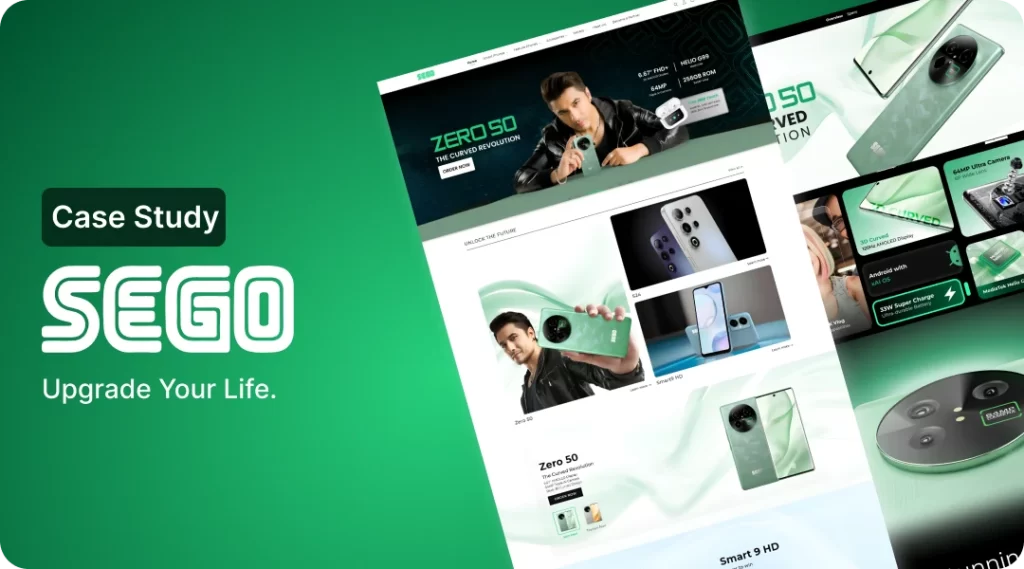
SEGO- Upgrade Your Life
SEGO Teams Up with GYB Commerce for a Digital Makeover Overview The modern man’s lifestyle can survive without the use of smartphones, and they have
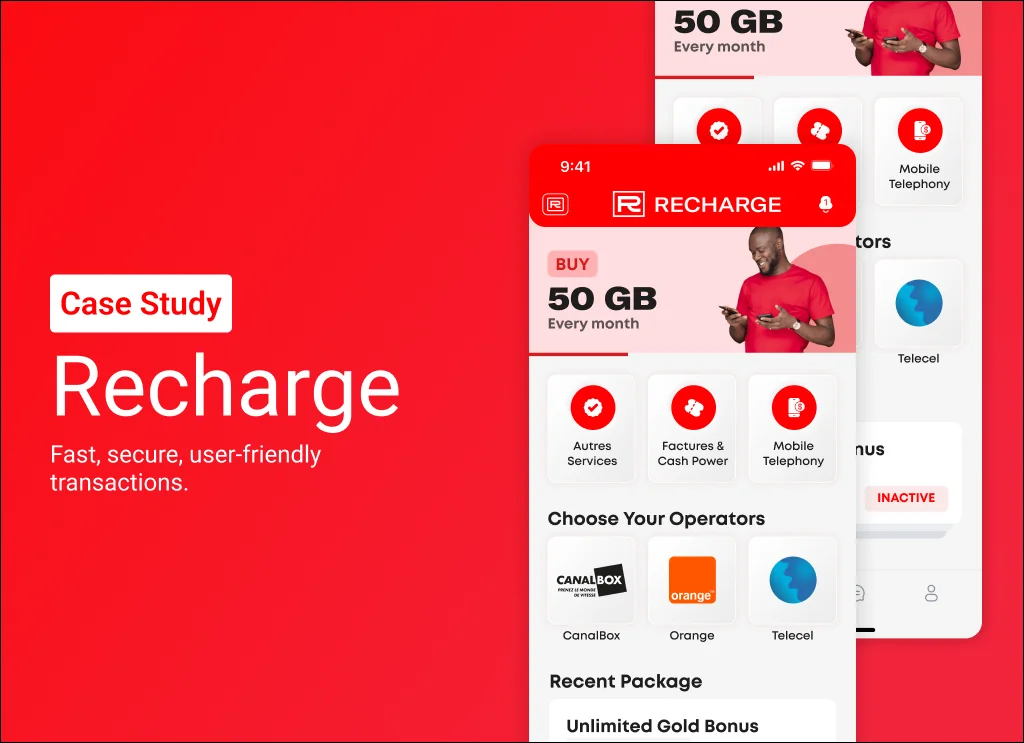
Recharge
Recharge App – Streamlining Mobile Top-Ups & Empowering Connectivity Overview Recharge App simplifies the process of topping up cellular network packages. It offers users an
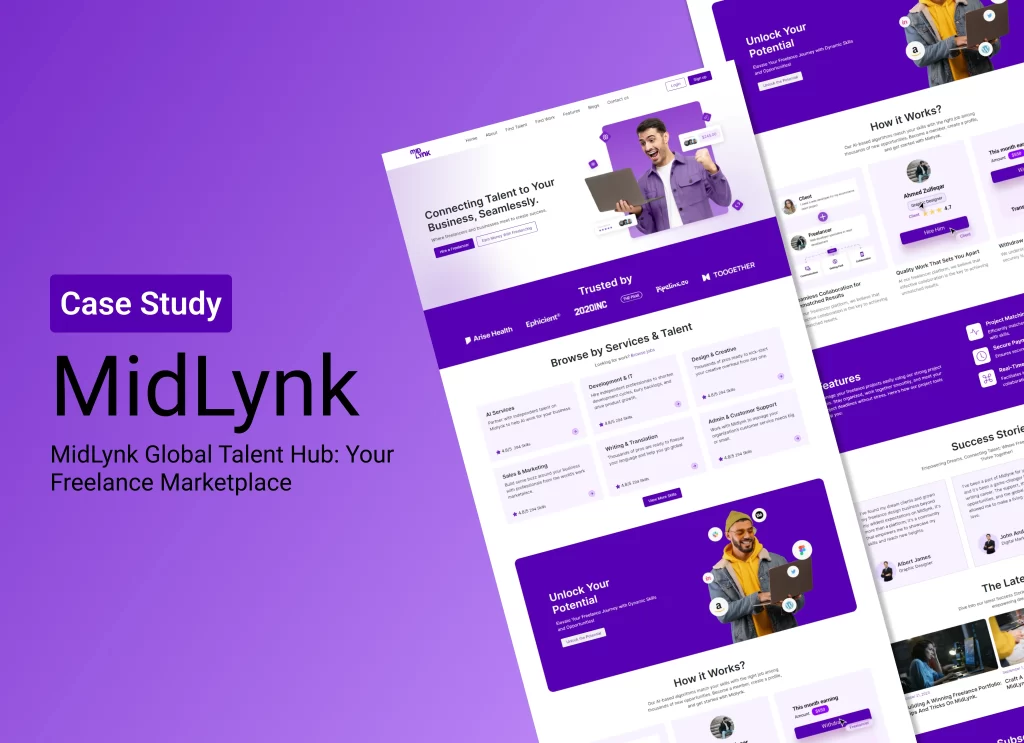
MidLynk – Your Freelance Marketplace
MidLynk – Connecting Talent with Endless Opportunities Overview MidLynk represents a transformative leap forward in the freelancing ecosystem, connecting clients and freelancers in a dynamic,
GYB Commerce blogs

CodeOps: A Smarter Way to Develop Software
Fundamentally, CodeOps is the concept of reusability applied to writing code, removing the burden of reinventing the wheel every time you write a line of
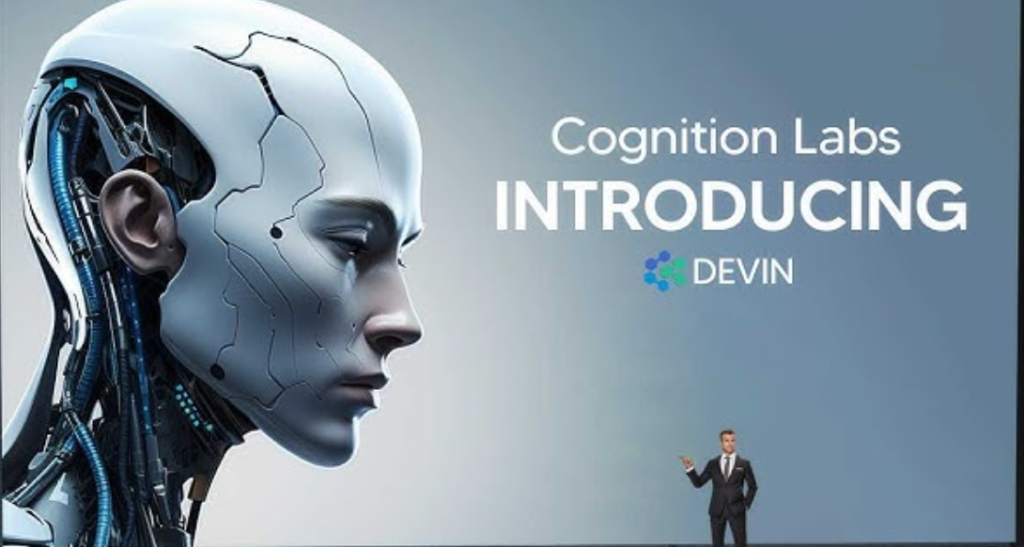
Meet Devin: Your New AI Companion in a World of Possibilities
Cognition has just launched Devin, a revolutionary AI software engineer, aiming to reshape how software development works. Devin’s arrival marks a new era in AI,

Choosing the Right Technology Partner: Key Headings to Consider
Finding the right technology partner for your agency may be a game-changer. But with so many alternatives available, how do you recognize which one is
CRM Architecture Determines Revenue Predictability!
Enterprise growth depends on structured CRM architecture. CRM consultants who prioritize strategy, integration, and governance build systems that support accurate forecasting and scalable operations. At GYB Commerce, we design CRM consulting services that transform CRM software into a measurable revenue engine.