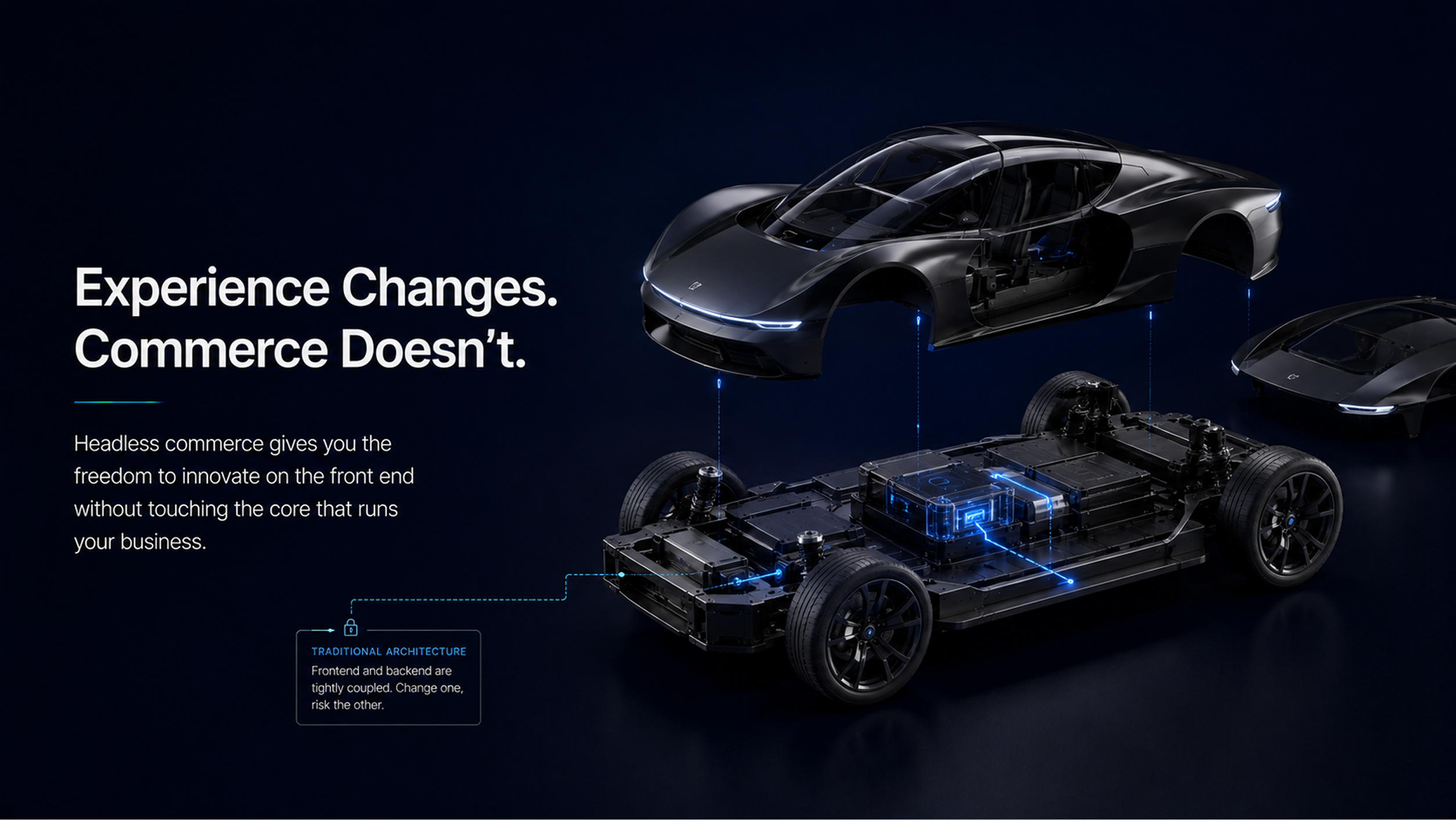
Selecting the structural design for an online store represents a massive technical decision. Your choice determines how quickly your business can expand and adapt. It affects page load speed and the overall user experience.
Many organizations now debate traditional ecommerce vs headless ecommerce models. Understanding the technical mechanics of both choices helps you make a secure long-term decision. Let us examine how these two layouts compare.
What Is Traditional Ecommerce?
Traditional ecommerce systems feature a monolithic architecture. This structure links the frontend user interface directly with the backend database. The visual layout and the functional code operate as a single combined unit.
A traditional platform includes a built-in content management system (CMS) to render web pages. Database changes immediately impact how the customer experience displays on the browser. Everything runs out of a single database application.
Typical examples of traditional ecommerce platforms include standard instances of Shopify, WooCommerce, and Magento open-source. These systems provide themes and checkout code in one pre-packaged bundle. They remain highly popular for retail brands worldwide.
This design has specific advantages and distinct structural limitations. It is easy to launch because the template system is already built into the core software. However, making deep design edits can easily break backend data workflows.
What Is Headless Commerce?
Headless commerce uses a decoupled architecture to separate the frontend from the backend. The presentation layer operates entirely independently from the commerce engine. This means your website design is completely separated from your checkout database.
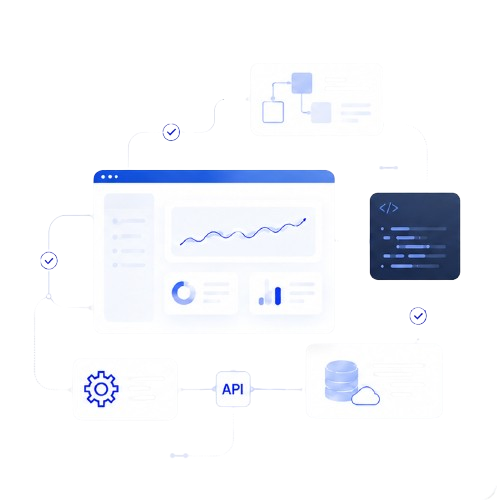
An API-first architecture handles all communication between the separated systems. Application programming interfaces send data requests back and forth instantly. This structure lets you change your public interface without altering backend code.
Developers use modern frontend technologies like React, Next.js, and Nuxt to build the public site. These tools generate fast static pages or progressive web app layouts. The backend commerce application focuses strictly on inventory and payment processing.
Typical enterprise use cases involve complex omnichannel strategies across multiple platforms. Large organizations use headless setups to push products to smart displays and mobile apps simultaneously. It provides complete freedom over how content displays on different devices.
Traditional Ecommerce Vs Headless Ecommerce: Key Differences
The technical differences affect your daily operations and developer workflows. It is important to compare these systems across core operational categories. The table below outlines the structural trade-offs of each system.
| Architectural Category | Traditional Ecommerce Platforms | Headless Commerce Architecture |
| Core Architecture | Monolithic and coupled system | Decoupled and API-first layout |
| Page Load Speed | Affected by backend plugin load | Extremely fast static rendering |
| SEO Capabilities | Standard template options built-in | Complete control over clean code |
| System Scalability | Limited by single server limits | High scaling via microservices |
| Design Customization | Restricted by theme frameworks | Unlimited frontend creative freedom |
| Development Complexity | Lower technical skills needed | High engineering expertise required |
| Site Maintenance | Simple core software updates | Managing multiple connected APIs |
| Total Initial Cost | Affordable setup and themes | Higher initial development spend |
| Third-Party Integrations | Relies on platform app stores | Flexible connections via API endpoints |
| Omnichannel Capability | Difficult to sync outside web | Native support for every device |
| Content Management | Basic text editor inside platform | Flexible headless CMS integration |
| Time To Market | Fast deployment with templates | Longer design and build pipeline |
Advantages Of Traditional Ecommerce
Monolithic platforms remain a reliable choice for thousands of online brands. Their simplicity provides specific operational benefits for growing retail teams.
Faster Initial Deployment
Traditional systems let you launch a storefront in a few days. You select a pre-made theme and upload your product catalog instantly. The payment gateway and cart settings are already fully configured. This speed is ideal for testing new markets quickly.
Lower Technical Complexity
Your team does not need advanced software engineers to maintain a traditional platform. Non-technical staff can manage daily product updates and run marketing promotions. The platform handles the underlying codebase connections automatically. This reduces technical friction for small operational teams.
Easier Content Management
A monolithic setup includes an integrated content management system. You edit text blocks and image layouts inside a single visual dashboard. There is no need to coordinate data transfers between separate software applications. Everything stays organized in one familiar workspace.
Lower Initial Investment
The initial development costs for monolithic stores are relatively low. You avoid paying for custom backend API integration and separate frontend hosting services. Many plugins are affordable or entirely free to install. This makes budget management simpler for early-stage brands.
Advantages Of Headless Commerce
Decoupled systems offer unmatched power for large digital commerce operations. Separating your infrastructure unlocks several key business benefits.
Better Scalability
Headless layouts use decoupled architecture to distribute server loads effectively. High traffic spikes on the frontend will not slow down your backend payment engine. You can grow your catalog to hundreds of thousands of items safely. The system handles large transaction volumes without crashing.
Superior Customer Experience
A decoupled layout lets you build unique customer experience touchpoints. You can design custom product configurations without template restrictions. This creative freedom improves your conversion rate and customer satisfaction scores. Shoppers enjoy fluid interactions on every page.
Omnichannel Commerce
An API-first architecture serves product data to any connected digital device. You can display inventory on web browsers, mobile apps, and smart kiosks simultaneously. Centralized data ensures prices stay accurate across every single channel. This creates a cohesive brand experience everywhere.
Greater Flexibility
Your engineering team can swap frontend tools without changing the backend database. This structural independence allows rapid design updates based on user data. You can test new layouts on specific devices without risking core data safety. It eliminates traditional software rigidity.
Improved Performance
Headless sites often use Jamstack deployment or a progressive web app framework. These methods deliver pre-rendered pages to users via global content delivery networks. Fast page load speed keeps visitors engaged and reduces bounce rates. Speed directly drives higher revenue.
Future-Proof Architecture
The microservices design lets you update individual tools independently over time. You can replace an old marketing application without rebuilding the entire store database. This flexibility keeps your technology stack modern and relevant. It prevents total system obsolescence.
Traditional Ecommerce Vs Headless Ecommerce For Different Business Types
Your choice must match your organizational size and daily engineering capability. Different business models require distinct software architectures.
Small Businesses
Smaller companies rarely need the complex nature of a decoupled system. A traditional monolithic platform provides all the necessary tools out of the box. It keeps operational overhead low and allows founders to focus entirely on sales.
Growing Brands
Mid-sized brands often face sudden structural performance challenges. Standard themes can start loading slowly as plugins accumulate. If you use a managed framework, exploring Shopify development services can extend your platform lifecycle before needing a full architectural shift.
Enterprise Businesses
Large retail corporations require maximum uptime and unique brand interfaces. Headless systems provide the security and freedom needed at scale. Enterprise groups use headless commerce development services to build secure, distributed software configurations that match global demand.
B2B Commerce
Wholesale operations involve custom pricing tiers and unique client portals. Traditional platforms often struggle with these complex custom data requirements. Headless systems allow you to connect advanced ERP applications directly to a custom frontend interface easily.
Multi-Brand Organizations
Companies managing multiple distinct storefronts face massive data organization hurdles. A headless setup lets you manage multiple frontend brand designs from one centralized backend database. This consolidation simplifies inventory tracking and lowers total software licensing fees.
Factors To Consider Before Choosing An Ecommerce Architecture
Analyze your operational realities before making a final commitment. Use these core factors to guide your technology assessment.
Business Goals
Define what you want to achieve over the next three years. If you want to launch multiple localized sites quickly, templates might work best. If you want to dominate search rankings with high speed, decoupled designs are superior.
Budget
Calculate your total cost of ownership over a multi-year period. Headless setups demand ongoing engineering budgets for API maintenance and separate custom hosting. Monolithic platforms have predictable monthly software subscription costs but can charge higher transaction fees.
Internal Development Resources
Be completely honest about your technical team’s current daily availability. Running a headless system requires permanent access to specialized frontend engineers. If you lack these technical assets, a traditional platform is much safer.
Required Integrations
List every external application your business relies on daily. This includes warehouse management tools, CRM software, and specific payment gateways. Ensure your chosen architecture connects with these systems without requiring manual data transfers.
Customer Experience Goals
Determine if your product presentation requires highly unique layouts. Standard retail goods work perfectly on traditional grid templates. Custom-made products or subscription models benefit significantly from unique frontend interactive features.
Growth Plans
Review your long-term plans for international expansion and new sales channels. Your architecture must handle multi-currency checkouts and localized content smoothly. Ensure your technical foundation will not block entry into new regional markets.
When Should You Migrate To Headless Commerce?
Recognizing when your current platform restricts business growth is vital. Legacy systems eventually create clear performance bottlenecks that lower conversion rates.
If your website takes more than four seconds to load, plugins are likely slowing your monolithic database. Expanding into mobile apps or retail kiosks also signals a need for an API-first approach. Custom personalization requirements are another common driver for migration.
Before making any structural changes, study an ecommerce migration checklist to plan your transition steps carefully. You can also read about moving from a monolithic vs composable commerce model to understand the process.
Common Misconceptions About Headless Commerce
Tech trends often create confusion around software architecture decisions. Separating facts from marketing hype ensures a rational choice.
One common myth is that headless setups are always better for every single online store. In reality, a basic storefront does not need decoupled infrastructure. Another myth is that headless automatically improves your SEO rankings without extra work. You still must build clean metadata and excellent content.
Some believe traditional platforms are completely outdated and useless today. Modern monolithic tools are actually highly advanced and support substantial sales volume. Always choose architecture based on real business data rather than industry buzzwords.
Which Ecommerce Architecture Should You Choose?
Use this quick reference matrix and checklist to finalize your organizational path. This framework simplifies the decision process based on actual business needs.
- Choose Traditional If: You want a fast launch, have a modest budget, and prefer simple all-in-one dashboards.
- Choose Headless If: You require custom design layouts, manage multiple sales channels, and have a dedicated engineering team.
Architecture Selection Checklist:
- Do you have access to expert web developers?
- Is page speed a primary competitive advantage for your brand?
- Do you sell products outside your main web domain?
- Are your current theme customization options limiting your marketing team?
- Can your current budget support separate hosting and API management fees?
Frequently Asked Questions
What is the difference between traditional and headless ecommerce?
Traditional ecommerce links the frontend visual layer directly to the backend database application. Headless commerce completely decouples these two layers, using APIs to transfer data between the storefront and the commerce engine.
Is Shopify a traditional or headless platform?
Shopify operates natively as a traditional monolithic platform using its built-in Liquid template language. However, it can also function as a headless commerce engine via its custom Storefront API.
Does headless commerce improve website speed?
Yes, headless commerce can significantly improve loading speed by using lightweight frontend frameworks and global content delivery networks. It delivers pre-rendered static pages that load much faster than traditional database-driven templates.
What are the main disadvantages of headless commerce?
The primary downsides include increased technical complexity and higher initial development expenses. You must manage separate hosting environments and ensure multiple APIs communicate reliably without breaking.
When should a business switch to a headless architecture?
A business should consider switching when their traditional theme limits visual design or causes slow page loading speeds. Needing to sync real-time inventory across mobile apps, smart devices, and multiple web domains is another clear sign.
Final Takeaways
Selecting between headless ecommerce vs traditional ecommerce shapes your entire digital strategy. Monolithic setups offer quick deployment and low maintenance costs for growing retail brands. Decoupled, API-first architectures provide the ultimate speed and design freedom required by large enterprise organizations. Base your final decision on your current technical resources and long-term customer experience goals.