
React Native App Development Company

React Native App Development Services Built on Architecture, Not Just Code Reuse
Most cross-platform apps fail because teams treat a shared JavaScript codebase as a shortcut rather than an architectural decision. Performance drops, integrations break, and release cycles become unstable as complexity grows. GYB Commerce operates as a React Native app development company focused on structured architecture, disciplined API integration, and governed CI/CD pipelines from day one. We engineer cross-platform systems that align with backend services, compliance standards, and long-term scalability. Our approach replaces superficial code reuse with controlled React Native application development services built for stability under real production load.

Why a Specialized React Native App Development Company Matters
Cross-Platform Without Architectural Compromise
Many vendors promote cross-platform delivery as a cost-saving tactic. That narrative ignores how poorly structured state management, weak native module planning, and fragmented API integration create technical debt. A specialized React Native development company evaluates feasibility before committing to a single codebase strategy. We assess hardware integrations, concurrency requirements, and backend orchestration complexity before development begins. Cross-platform should not mean diluted architecture. It should mean controlled code reuse supported by performance modeling and integration discipline.
When React Native Becomes a Liability
React Native becomes unstable when teams ignore runtime performance constraints, memory handling, and native bridge limitations. Applications that depend on BLE connectivity, high-frequency data exchange, or heavy animations require deeper architectural validation. As a React Native app development company, we review stack feasibility before implementation. We evaluate when to integrate native modules, when to isolate performance-sensitive logic, and when to modernize legacy components instead of forcing framework uniformity. Framework choice does not guarantee stability. Architecture does..
Integration Complexity Beyond UI Layers
Most failures in React Native app development services originate in backend alignment, not UI rendering. Integration with APIs, middleware layers, and external systems determines data consistency across platforms. We design integration structures that ensure stable synchronization between mobile interfaces and backend services. Our teams implement API integration patterns that prevent redundant calls, state conflicts, and synchronization drift. Cross-platform efficiency is only valuable when backend orchestration remains controlled.
Governance, Compliance, and Release Control
Release instability often emerges from unmanaged deployments and inconsistent testing processes. Without structured CI/CD pipelines and quality assurance checkpoints, cross-platform systems accumulate hidden defects. We implement controlled CI/CD (Continuous Integration/Continuous Deployment) workflows, structured QA/testing cycles, and compliance standards validation before each release. Governance is embedded into the development lifecycle, not added as an afterthought. This discipline ensures predictable rollouts, version control clarity, and performance reliability across iOS and Android ecosystems.
Performance Modeling Before Development
Performance optimization cannot be retrofitted after launch. React Native applications require runtime tuning, memory management planning, and efficient state handling from the beginning. We evaluate performance constraints early, including navigation patterns, animation complexity, and hardware integrations. When required, we integrate performance engines such as Hermes and structured state management using Redux to maintain predictable behavior under scale. A React Native app development company should validate performance architecture before writing production code. That is where long-term stability begins.
Our React Native App Development Services
As a React Native app development company, we provide structured React Native app development services across the full lifecycle. Each engagement follows an end-to-end delivery model focused on cross-platform efficiency without compromising architectural integrity.
React Native Consulting and Technical Scoping
Every successful React Native application begins with disciplined product discovery and technical scoping. We analyze business objectives, integration points, compliance requirements, and scalability expectations before committing to development. Our consulting phase evaluates whether React Native cross-platform development aligns with hardware integrations, backend complexity, and performance thresholds. This prevents costly rework during later phases.
Custom React Native Application Development
We develop custom React Native apps engineered around a structured JavaScript codebase that supports long-term maintainability. Rather than stacking features rapidly, we build mobile apps with modular architecture, predictable state handling, and scalable integration layers. Our developers engineer performance-optimized cross-platform applications designed to operate consistently across iOS and Android ecosystems, structured around:
- Modular JavaScript codebase architecture
- Predictable state management layers
- API-first backend orchestration
- Native module isolation for hardware integrations
This ensures code reuse remains an advantage rather than a source of hidden instability.
React Native UI/UX Engineering
User experience should align with system logic. Our UX design process focuses on workflow modeling, state transition mapping, and behavioral validation to ensure applications feel native while maintaining cross-platform efficiency. We design UX flows that enhance usability without introducing unnecessary rendering overhead or unstable navigation layers.
API Integration and Native Module Development
Cross-platform delivery often requires native extensions to handle device-level functionality. We integrate native modules for advanced capabilities, including BLE integration, secure authentication layers, and hardware communication.
Our React Native application development services manage integration complexity through:
- Structured API integration patterns
- Middleware orchestration layers
- Native bridge performance optimization
- Controlled CI/CD validation checkpoints
This approach ensures consistent data exchange between the React Native layer and backend services while preventing synchronization conflicts and unstable deployments.
BLE and Hardware Integration Capabilities
React Native applications that interact with external devices demand specialized engineering. We integrate BLE (Bluetooth Low Energy) communication modules, sensor connectivity layers, and hardware interaction protocols using controlled native bridging. This ensures reliable device pairing, stable real-time communication, and performance-optimized connectivity across mobile platforms.
React Native Migration and Modernization
Organizations often require migration from legacy native applications or outdated cross-platform frameworks. We perform structured mobile app migration by reviewing the existing codebase, evaluating architecture constraints, and modernizing components without disrupting business continuity. Where required, we step in to take over incomplete projects, refactor unstable modules, and convert web products into scalable mobile applications using React Native.
Code Audit and Performance Optimization
Before scaling, applications must be validated for architectural stability. We review existing JavaScript codebases to identify performance bottlenecks, memory leaks, and redundant dependencies. Our code audit services focus on maintainability, security compliance, and long-term scalability. Optimization may include runtime tuning, structured state management, and controlled deployment enhancements using tools such as CodePush.
Maintenance, Scaling, and Post-Release Support
React Native app development services extend beyond deployment. We provide app maintenance, performance monitoring, and structured post-release support to ensure continuous stability. Our teams monitor runtime metrics, optimize release cycles, and deploy updates through controlled CI/CD pipelines to support post-launch evolution without destabilizing the system.

React Native Architecture Framework We Engineer With
Building with React Native requires disciplined system design, not accelerated component assembly. Our framework ensures cross-platform stability, integration consistency, and controlled scalability under real production workloads.
Product Discovery and Architecture Feasibility
We begin by validating business requirements against technical feasibility, integration scope, compliance standards, and hardware constraints. This stage determines whether React Native aligns with performance expectations and long-term scalability objectives before development begins.
JavaScript Codebase Structuring
A shared JavaScript codebase must be modular, predictable, and maintainable. We engineer controlled component hierarchies, isolate reusable logic, and structure state management patterns to prevent instability as feature complexity increases.
Native Module and Hardware Planning
Performance-sensitive features and device-level integrations are architected early. We define native modules to handle BLE communication, secure authentication layers, and hardware interactions without overloading the JavaScript bridge.
API Integration and Middleware Orchestration
Cross-platform stability depends on backend alignment. We design structured API integration layers that prevent race conditions, inconsistent state synchronization, and redundant data calls across mobile clients and backend systems.
CI/CD and Quality Governance
We implement controlled CI/CD (Continuous Integration/Continuous Deployment) pipelines and structured QA/testing cycles to ensure predictable release management. Compliance validation and regression testing are embedded into each deployment workflow.
Performance Optimization Strategy
Runtime performance is evaluated continuously. Where appropriate, we integrate Hermes to improve startup time and memory efficiency while implementing structured state control using Redux to maintain predictable application behavior.
Deployment and Lifecycle Governance
Deployment extends beyond publishing builds. We manage staged rollouts across iOS and Android ecosystems, implement monitoring frameworks, and maintain release control to support long-term system evolution.
Technology Stack Behind Our React Native Development Company
Technology selection is based on architecture requirements, workload complexity, and integration depth rather than trend adoption.
Core Cross-Platform Framework
- React Native structured for modular cross-platform delivery
- Controlled JavaScript codebase engineering
State Management and Runtime Optimization
- Redux for predictable state handling
- Hermes for optimized runtime performance
DevOps and Release Infrastructure
- Structured CI/CD (Continuous Integration/Continuous Deployment) pipelines
- Over-the-air release management using CodePush
- Automated QA/testing validation layers
This stack enables scalable, performance-optimized cross-platform systems while preserving integration integrity.
When to Choose React Native Over Native Development
React Native should be selected based on integration requirements and lifecycle strategy rather than convenience.
Evaluation Factor
Architecture Model
Speed to Market
Hardware Integration
Maintenance Structure
Release Governance
React Native
Shared JavaScript codebase with native modules
Unified cross-platform rollout
Native modules required for advanced control
Single codebase reduces duplication
Unified deployment workflows
Native Development
Separate platform-specific codebases
Independent platform timelines
Direct device-level integration
Separate maintenance efforts
Platform-specific release cycles
React Native delivers measurable operational efficiency when engineered by a structured React Native app development company that validates architectural feasibility early.
Cost of Hiring a React Native App Development Company
Cost modeling depends on application complexity, integration scope, hardware requirements, and compliance standards. Low-complexity applications with limited API integration typically range from $40,000 to $85,000.
Mid-complexity systems requiring structured backend alignment and native module development range between $85,000 and $200,000. High-complexity cross-platform systems involving BLE integration, advanced backend orchestration, and compliance validation can exceed $250,000 depending on scope. Total cost of ownership is shaped by architectural decisions more than feature count.

Case Study
Cross-Platform Operational Platform Built with React Native
A US-based field operations organization required consolidation of fragmented native mobile applications that were causing release drift, inconsistent API integration, and unreliable BLE communication with inspection hardware.
Business Challenge
Separate iOS and Android teams created inconsistent functionality and delayed deployments. Backend reporting mismatches caused operational inefficiencies, and unstable hardware connectivity reduced field productivity.
Architecture Delivered
We engineered a unified cross-platform solution using a modular JavaScript codebase supported by structured native modules for BLE integration and optimized backend API integration patterns.
Integration Executed
The system integrated with operational dashboards, compliance validation services, and internal reporting systems through middleware orchestration and controlled CI/CD workflows.
Timeline and Measurable Impact
Within five months, the organization transitioned to a unified release structure. Deployment cycles accelerated by 38 percent, defect rates decreased by 41 percent, and maintenance overhead was reduced through single codebase governance.
Why GYB Commerce is a Strategic React Native App Development Company
Architecture-First Engineering Approach
GYB Commerce begins every engagement with structured system modeling rather than UI-driven development, ensuring long-term stability across cross-platform systems.
Controlled Code Reuse Without Technical Debt
We engineer single codebase efficiency through modular architecture and disciplined native module isolation, preventing long-term instability that often results from uncontrolled abstraction.
Deep Integration and Middleware Discipline
Our React Native development services prioritize backend alignment, API orchestration, and synchronization control to maintain consistent cross-platform performance.
Hardware and BLE Integration Expertise
We integrate BLE communication modules and device-level functionality using structured native bridging to ensure reliable connectivity across platforms.
Lifecycle Cost Modeling
We evaluate integration scope, performance requirements, and maintenance implications before implementation to ensure predictable long-term investment.
Governance and Delivery Discipline
Structured CI/CD pipelines, QA/testing frameworks, and milestone governance ensure predictable deployments aligned with US operational standards.
What Clients Say About Working With Us


Frequently Asked Questions
Quick answers to the most common questions
What does a React Native app development company deliver beyond coding?
A React Native app development company delivers structured application architecture, integration planning, and lifecycle governance in addition to interface development. It defines JavaScript codebase structure, native module boundaries, API integration logic, and CI/CD workflows to ensure long-term system stability.
How much do React Native app development services typically cost?
React Native app development services vary based on integration depth, native module requirements, compliance standards, and expected scalability. Cost is influenced more by backend orchestration and performance architecture than by the number of screens or features.
Is React Native suitable for large-scale business applications?
React Native supports large-scale systems when engineered with modular architecture, controlled state management, and disciplined API integration patterns. Scalability depends on runtime optimization, native module planning, and release governance rather than framework selection alone.
How do you handle BLE and hardware integrations in React Native development?
BLE and hardware integrations are implemented through structured native modules instead of relying solely on the JavaScript bridge. This approach ensures stable device communication, reliable pairing logic, and predictable performance across iOS and Android environments.
Can existing native applications be migrated to React Native?
Migration begins with a legacy code audit to evaluate architectural constraints and integration feasibility. Business logic is then modularized into a unified JavaScript codebase while preserving backend stability and operational continuity.
How do you ensure performance optimization in React Native applications?
Performance optimization includes runtime analysis, structured state control, memory usage evaluation, and navigation efficiency modeling. Where appropriate, engines such as Hermes are integrated to improve startup time and reduce memory overhead.
What limitations should be considered when selecting React Native development services?
Deep platform-exclusive features, complex 3D rendering, or highly customized device behaviors may require advanced native module engineering. Proper feasibility validation ensures React Native is used strategically rather than forcefully in unsuitable scenarios.
Do you provide post-release support for React Native applications?
Post-release support includes structured QA/testing cycles, CI/CD monitoring, performance tuning, and controlled over-the-air updates. Ongoing maintenance ensures cross-platform stability as business requirements evolve and new integrations are introduced.
Partner with Us for Comprehensive IT
We’re happy to answer any questions you may have and help you determine which of our services best fit your needs.
Your benefits:
- Client-oriented
- Independent
- Competent
- Results-driven
- Problem-solving
- Transparent
What happens next?
We Schedule a call at your convenience
We do a discovery and consulting meting
We prepare a proposal
Schedule a Free Consultation
Technologies that we use.
Ready to reduce your technology cost?

Our success stories

SEGO- Upgrade Your Life
SEGO Teams Up with GYB Commerce for a Digital Makeover Overview The modern man’s lifestyle can survive without the use of smartphones, and they have
Recharge
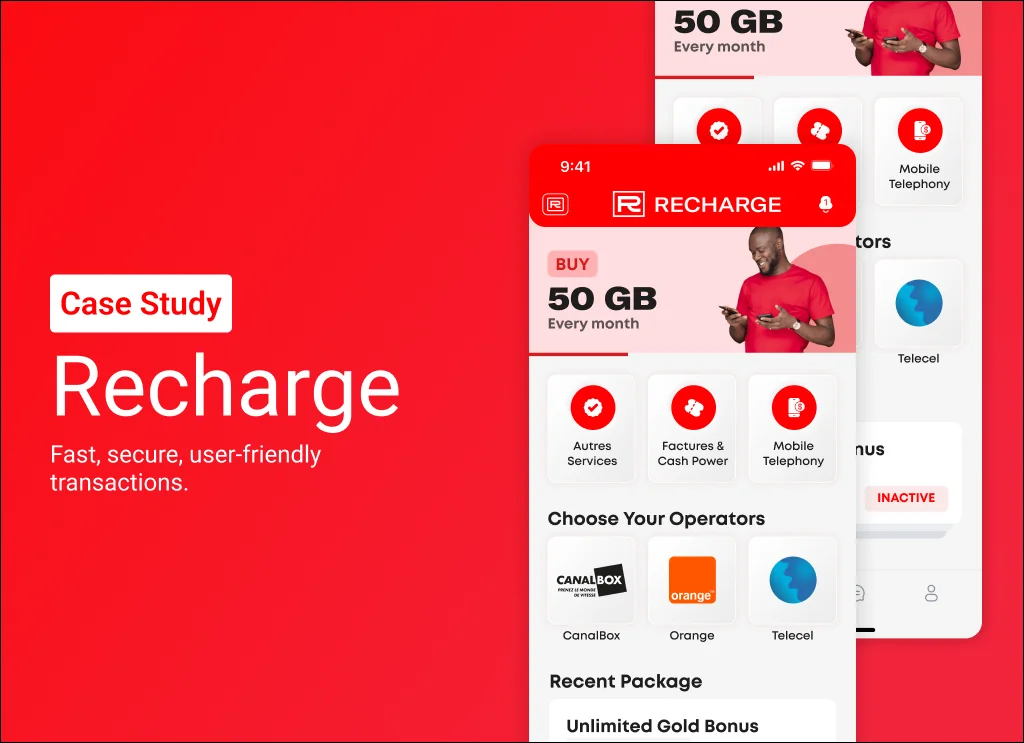
Recharge App – Streamlining Mobile Top-Ups & Empowering Connectivity Overview Recharge App simplifies the process of topping up cellular network packages. It offers users an
MidLynk – Your Freelance Marketplace
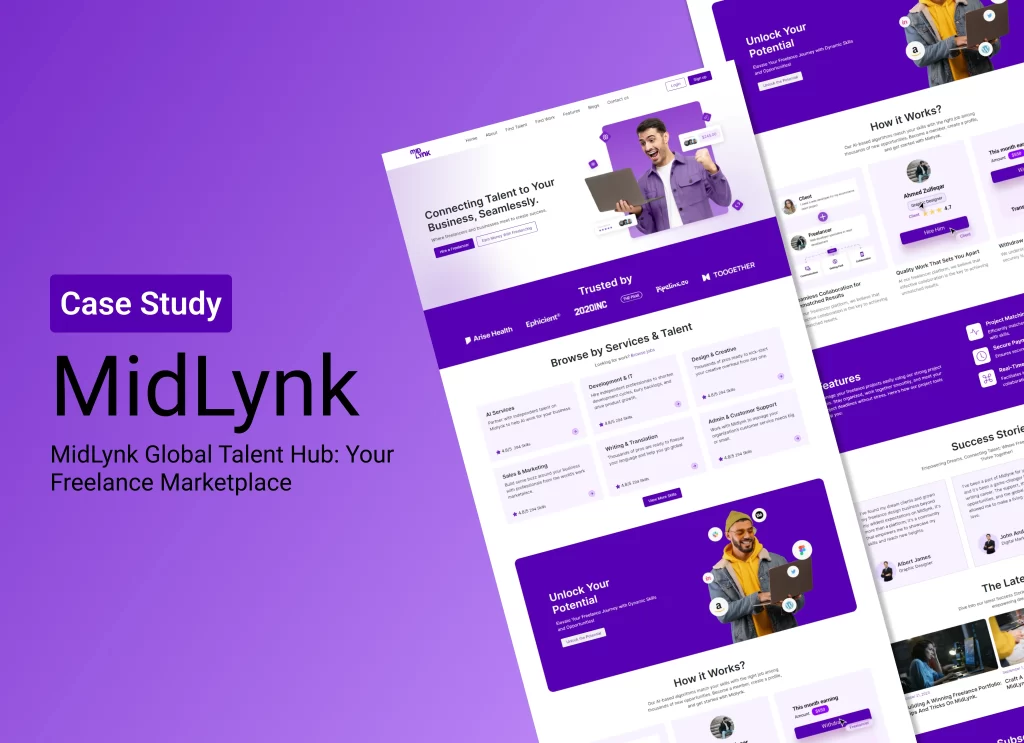
MidLynk – Connecting Talent with Endless Opportunities Overview MidLynk represents a transformative leap forward in the freelancing ecosystem, connecting clients and freelancers in a dynamic,
GYB Commerce blogs

Top Ecommerce Scalability Challenges And How Modern Commerce Platforms Solve Them
Many ecommerce platforms perform perfectly until rapid growth exposes the limitations hidden beneath the surface. Traffic isn’t what breaks an ecommerce business. Poor architecture does.

Marketplace Vs B2B Vs Traditional Ecommerce: Choosing The Right Business Model
The success of an ecommerce business often depends more on its core framework than the actual products it sells. Many founders invest heavily in software

How ERP CRM Integration Improve Ecommerce Operations And Customer Experience
Growing ecommerce businesses often struggle because their systems operate independently instead of working together. Every order touches multiple departments. Disconnected systems slow everything down. Modern
React Native Systems Engineered for Long-Term Control
Cross-platform efficiency only creates value when supported by disciplined architecture, integration governance, and structured release management. As a React Native app development company, we engineer scalable systems designed for operational stability rather than temporary acceleration.