

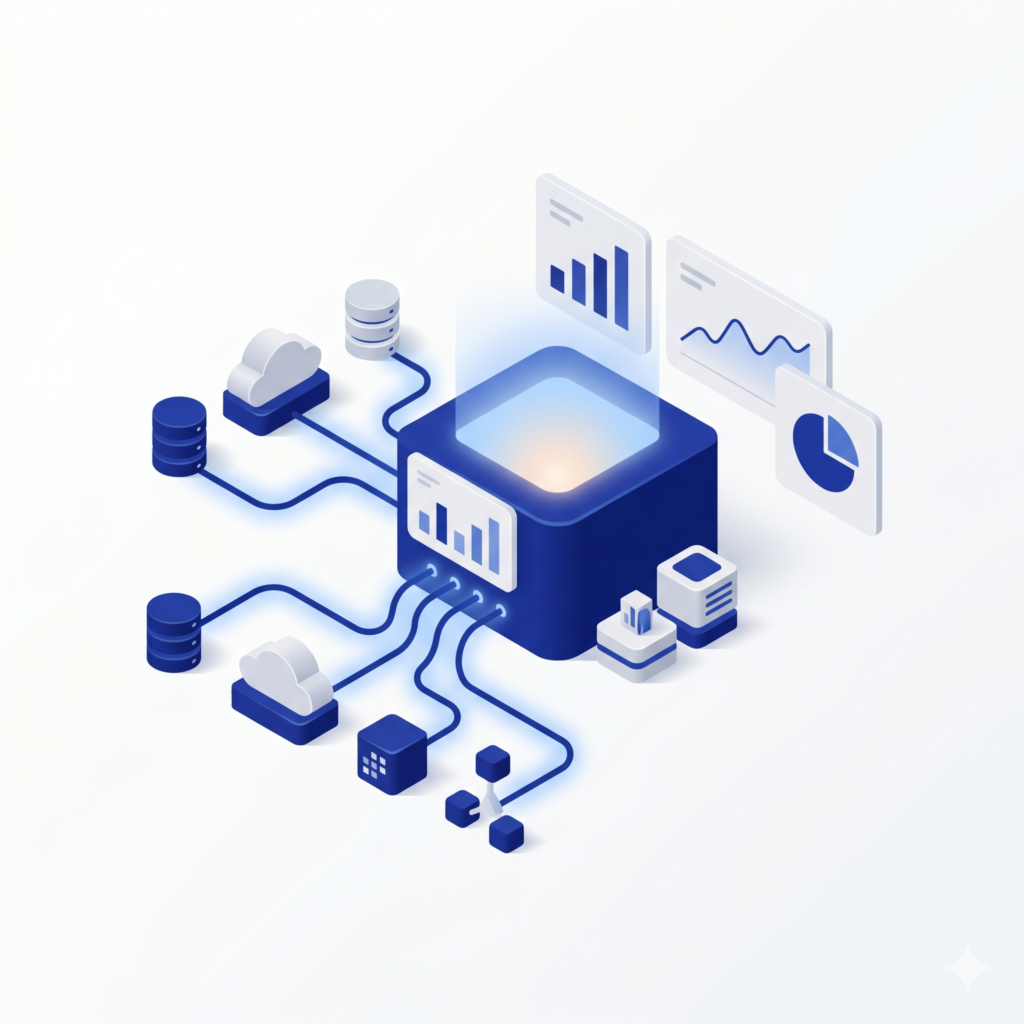

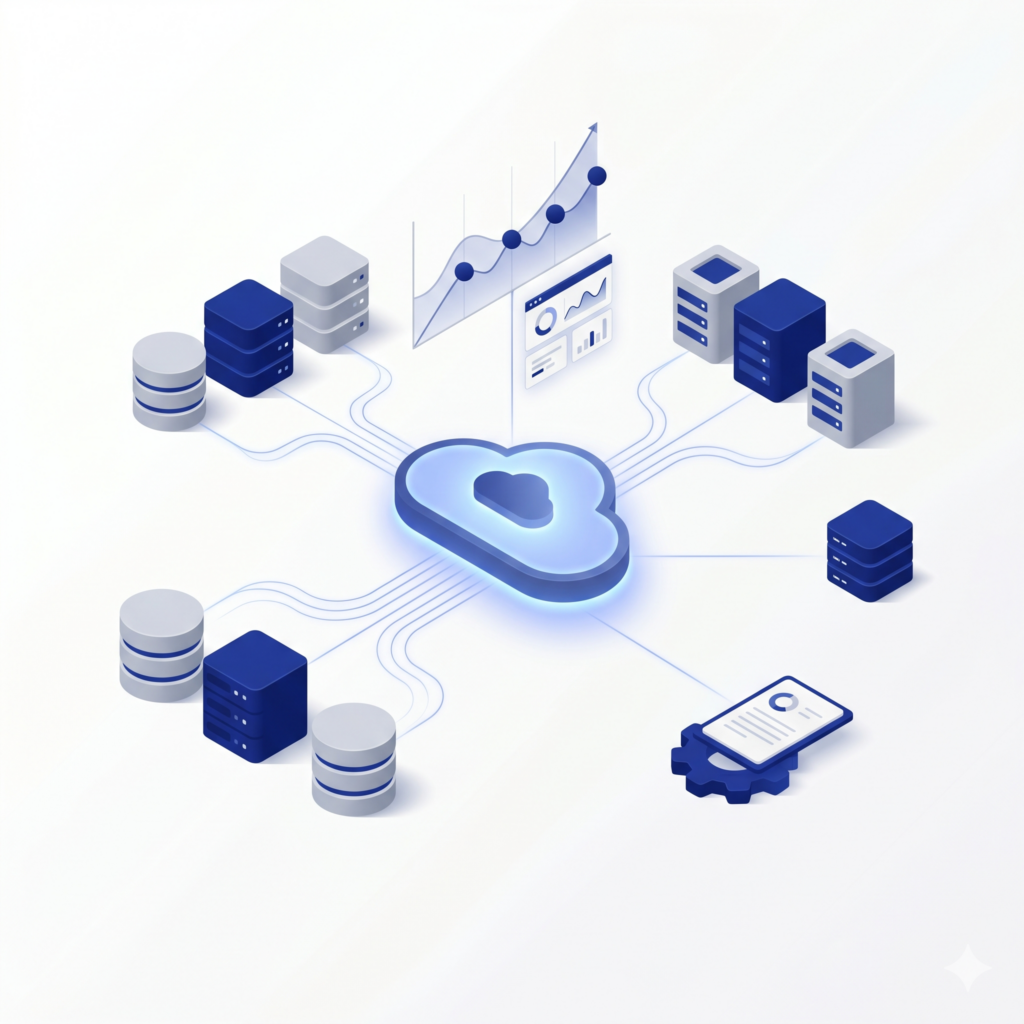


Transform Enterprise Data into Strategic Insights with Business Intelligence Services
Modern organizations generate operational data across applications, databases, and cloud systems. However, fragmented reporting environments limit visibility into performance metrics and strategic trends. GYB Commerce delivers business intelligence services that design scalable BI architecture, integrate enterprise data sources, and deploy analytics dashboards using platforms such as Power BI, Tableau, Looker, and Qlik. Consequently, organizations consolidate analytics environments and transform operational datasets into actionable insights that support data-driven decision making.
What Do Business Intelligence Services Enable for Modern Enterprises?
Organizations increasingly rely on business intelligence platforms to analyze operational data, monitor performance metrics, and support strategic planning across departments. Business intelligence services enable enterprises to integrate data sources, build centralized analytics dashboards, and deliver consistent reporting environments that support operational intelligence and executive decision making.
Key capabilities enabled through business intelligence services:
- Centralized analytics dashboards integrating enterprise systems and reporting platforms
- Real-time KPI monitoring across operational departments and leadership teams
- Cloud-based business intelligence environments on Microsoft Azure, AWS, and Google Cloud
- Self-service analytics dashboards enabling business users to explore enterprise data
- Unified reporting systems that break down data silos across organizations
- Enterprise analytics infrastructure delivering a single source of truth
What Are the Benefits of Business Intelligence Consulting for Organizations?
Many organizations struggle with fragmented reporting environments, inconsistent datasets, and limited visibility into operational performance. Business intelligence consulting addresses these challenges by implementing scalable analytics infrastructure that centralizes enterprise data and delivers reliable insights across dashboards and reporting systems.
Key benefits of implementing enterprise business intelligence:
- Faster access to analytics insights through automated reporting workflows
- Improved data visibility across departments, systems, and operational processes
- Consistent KPI monitoring through unified analytics dashboards
- Scalable analytics infrastructure supporting growing enterprise data volumes
- Improved collaboration between leadership, analysts, and operational teams
- Reliable decision support through centralized reporting environments
What Business Intelligence Services Do We Provide?
Business intelligence services focus on building analytics platforms that consolidate enterprise data, generate actionable insights, and support performance monitoring across organizations. GYB Commerce delivers end-to-end business intelligence services that design BI architecture, implement analytics platforms, and build interactive dashboards for enterprise reporting environments.
Business Intelligence Consulting
Business intelligence consulting focuses on defining analytics strategy, evaluating existing data infrastructure, and designing BI architecture that aligns analytics capabilities with organizational objectives. BI consultants assess enterprise data environments, identify integration requirements, and recommend technology platforms that enable scalable analytics infrastructure.
Business Intelligence Implementation
BI implementation services deploy analytics platforms that integrate enterprise data sources and deliver reporting dashboards across organizations. Engineers implement data pipelines, configure data warehouse architecture, and deploy analytics platforms such as Power BI, Tableau, or Looker to deliver enterprise reporting capabilities.
Business Intelligence Dashboard Development
Analytics dashboards visualize enterprise performance metrics through interactive reports and role-based analytics interfaces. Engineers build dashboards that enable executives and operational teams to drill down into data, monitor KPIs, and analyze performance trends across business functions.
BI Platform Modernization
Many organizations operate legacy reporting systems that cannot support modern analytics requirements. BI modernization services redesign analytics infrastructure, migrate reporting environments to cloud BI platforms, and implement scalable data architectures that support advanced analytics capabilities.
Enterprise Reporting and Analytics Solutions
Enterprise BI solutions integrate analytics dashboards, reporting automation systems, and performance monitoring frameworks into a unified analytics environment. Consequently, organizations monitor operational metrics, analyze strategic performance indicators, and deliver actionable insights across leadership teams.
How Is Enterprise Business Intelligence Architecture Designed?
Enterprise business intelligence platforms require structured architecture that integrates data sources, processes datasets, and delivers insights through analytics dashboards. Therefore, BI engineers design layered analytics infrastructure that supports data integration, data modeling, visualization, and reporting automation across business intelligence platforms.
Data Integration and Analytics Infrastructure
Business intelligence architecture begins with integrating enterprise data sources across applications, databases, and cloud systems. Engineers implement ETL pipelines and integration frameworks that collect, process, and consolidate datasets into centralized analytics infrastructure. Consequently, organizations break down data silos and create unified analytics environments that support enterprise reporting systems and business intelligence platforms.
Data Warehouse and Data Lake Architecture
Data warehouses and data lakes form the foundational storage layer for enterprise analytics environments. Engineers design data warehouse architecture that stores structured datasets optimized for querying, reporting, and analytics workloads. Data lakes complement these environments by storing raw datasets and large-scale operational data that supports advanced analytics, machine learning, and predictive analytics initiatives.
Semantic Data Modeling and OLAP Analytics
Semantic data modeling defines how business metrics and analytical datasets are structured within BI environments. Engineers design data models that organize enterprise data into structured schemas optimized for OLAP analytics and reporting performance. As a result, decision makers analyze business data efficiently while maintaining consistent KPI definitions across analytics dashboards and reporting systems.
Interactive Analytics Dashboards
Interactive analytics dashboards enable business users to visualize enterprise performance metrics and explore analytical datasets through intuitive reporting interfaces. Engineers build dashboards that allow teams to drill down into data, track operational KPIs, and analyze performance trends. Consequently, organizations empower leadership teams with highly interactive analytics dashboards that support real-time performance monitoring and data-driven strategy.
Enterprise Reporting Automation
Reporting automation systems generate scheduled reports, dashboards, and analytics insights without manual intervention. Engineers deploy reporting automation frameworks that process enterprise datasets and deliver analytics outputs to stakeholders. Therefore, organizations streamline reporting workflows while ensuring decision makers receive accurate and consistent analytics insights across enterprise reporting environments.
What Business Intelligence Platforms Power Modern Analytics?
Modern business intelligence solutions rely on integrated platforms that process large datasets, deliver interactive dashboards, and support enterprise analytics infrastructure. GYB Commerce deploys scalable business intelligence platforms that integrate data warehouses, analytics dashboards, and reporting systems across cloud environments.
BI Platform
Power BI
Tableau
Looker
Qlik
Amazon Redshift / Google BigQuery
Primary Role
Enterprise reporting and dashboard visualization
Advanced data visualization and exploration
Cloud-native business intelligence platform
Associative analytics platform
Cloud data warehouse platforms
Implementation Outcome
Interactive analytics dashboards for monitoring business performance
Interactive dashboards supporting deep analytics insights
Unified analytics models with centralized data governance
Flexible exploration of enterprise datasets
Scalable analytics infrastructure for enterprise reporting
How Does Cloud Business Intelligence Enable Scalable Analytics?
Cloud business intelligence platforms allow organizations to scale analytics environments without maintaining complex on-premise infrastructure. Cloud BI platforms integrate enterprise datasets across distributed systems while supporting scalable analytics workloads.
GYB Commerce engineers deploy cloud business intelligence architecture across Microsoft Azure, AWS, and Google Cloud infrastructure. These environments enable organizations to process large datasets, automate reporting workflows, and deliver analytics dashboards that support enterprise decision making.
Consequently, cloud BI platforms provide scalable analytics infrastructure capable of supporting complex enterprise reporting environments and data-driven strategies.
How Do Data Governance and Reporting Automation Support BI Platforms?
Enterprise analytics environments require governance frameworks that maintain data accuracy, transparency, and operational reliability across analytics infrastructure. Engineers implement governance mechanisms that enforce validation rules, monitor data lineage, and maintain structured data environments.
Monitoring systems track analytics performance, report generation, and dashboard accuracy across reporting systems. As a result, organizations maintain reliable analytics environments while ensuring enterprise leadership teams receive accurate performance insights.
Data Quality Management
Data quality frameworks validate datasets before analytics dashboards process them. Engineers implement validation rules, anomaly detection systems, and automated data checks to ensure reporting accuracy. Consequently, organizations maintain consistent business metrics across dashboards, reports, and analytics platforms.
Data Governance and Security
Data governance frameworks define access controls, security policies, and compliance standards for enterprise analytics systems. Engineers implement role-based access policies that protect enterprise datasets and maintain regulatory compliance. These frameworks ensure organizations maintain controlled access to analytics environments while protecting sensitive business data.
Analytics Monitoring and KPI Tracking
Analytics monitoring tools track dashboard performance, report generation processes, and KPI accuracy across analytics platforms. Engineers deploy monitoring frameworks that detect anomalies, report failures, and performance bottlenecks. Therefore, organizations maintain reliable analytics infrastructure capable of supporting operational analytics and enterprise performance monitoring.
Case Studies
Business Intelligence
Building an Enterprise Analytics Platform for a Retail Company
A global retail organization required centralized analytics dashboards to monitor product performance, customer behavior, and operational metrics across multiple systems. GYB Commerce engineers implemented business intelligence architecture integrating enterprise datasets into a cloud data warehouse. Consequently, leadership teams gained unified analytics dashboards that improved decision making and enabled real-time monitoring of retail performance metrics.
Modernizing BI Infrastructure for a Manufacturing Organization
A manufacturing enterprise relied on fragmented reporting systems that produced inconsistent operational insights. Engineers redesigned the analytics architecture by implementing cloud-based BI platforms and automated reporting pipelines. As a result, the organization achieved centralized reporting dashboards that improved operational visibility and accelerated strategic planning across business units.
Real-Time Analytics Dashboards for a Digital Commerce Platform
A digital commerce company required analytics dashboards capable of monitoring operational metrics and customer behavior in near real time. GYB Commerce engineers implemented streaming data pipelines and interactive dashboards across business intelligence platforms. Therefore, operational teams gained real-time analytics insights that improved performance monitoring and enabled faster strategic decision making.
Architecture-First BI Engineering
GYB Commerce engineers design analytics architecture before implementing dashboards or reporting systems. This approach ensures scalable analytics infrastructure and consistent performance across enterprise business intelligence platforms.
Enterprise Analytics Platform Expertise
Our engineers implement BI solutions across complex enterprise environments integrating cloud infrastructure, analytics dashboards, and reporting automation systems. Consequently, organizations gain scalable analytics environments capable of supporting operational reporting and strategic decision making.
End-to-End Business Intelligence Services
GYB Commerce delivers end-to-end business intelligence services covering BI consulting, architecture design, platform implementation, dashboard development, and analytics optimization. Therefore, organizations partner with a single engineering team capable of supporting the complete analytics lifecycle.
What Clients Say About Working With Us
Frequently Asked Questions
Quick answers to the most common questions
What are business intelligence services?
Business intelligence services design analytics platforms that collect, process, and analyze enterprise data across reporting systems. These services integrate data sources, build analytics dashboards, and deliver actionable insights that support strategic decision making.
What does a business intelligence consulting company do?
A business intelligence consulting company evaluates enterprise data environments and designs analytics architecture that enables reporting automation and data visualization. Consultants implement BI platforms, integrate data systems, and build dashboards that support operational and strategic analytics.
How do business intelligence platforms improve decision making?
Business intelligence platforms collect enterprise datasets and transform them into analytics dashboards that visualize business performance metrics. Consequently, decision makers monitor KPIs, analyze operational trends, and identify strategic opportunities across departments.
What technologies are commonly used in business intelligence systems?
Enterprise BI environments typically include data warehouses, ETL pipelines, analytics dashboards, and visualization platforms such as Power BI, Tableau, Looker, and Qlik. Cloud infrastructure platforms such as Microsoft Azure, AWS, and Google Cloud support scalable analytics processing.
Can business intelligence solutions integrate multiple enterprise data sources?
Business intelligence platforms integrate datasets from databases, applications, cloud systems, and APIs. Engineers implement data integration pipelines that consolidate enterprise datasets into centralized analytics environments for reporting and analysis.
How long does business intelligence implementation take?
Implementation timelines depend on the complexity of data environments, analytics requirements, and infrastructure architecture. Smaller BI implementations may deploy within several weeks, while enterprise analytics platforms may require phased deployment over multiple months.
Do business intelligence solutions support real-time analytics?
Modern business intelligence systems support real-time analytics through streaming data pipelines and cloud-based analytics platforms. These systems process live operational datasets and deliver dashboards that provide near real-time performance insights.
Partner with Us for Comprehensive IT
We’re happy to answer any questions you may have and help you determine which of our services best fit your needs.
Your benefits:
- Client-oriented
- Independent
- Competent
- Results-driven
- Problem-solving
- Transparent
What happens next?
We Schedule a call at your convenience
We do a discovery and consulting meting
We prepare a proposal
Schedule a Free Consultation
Technologies that we use.
Ready to reduce your technology cost?
Our success stories
SEGO- Upgrade Your Life
SEGO Teams Up with GYB Commerce for a Digital Makeover Overview The modern man’s lifestyle can survive without the use of smartphones, and they have
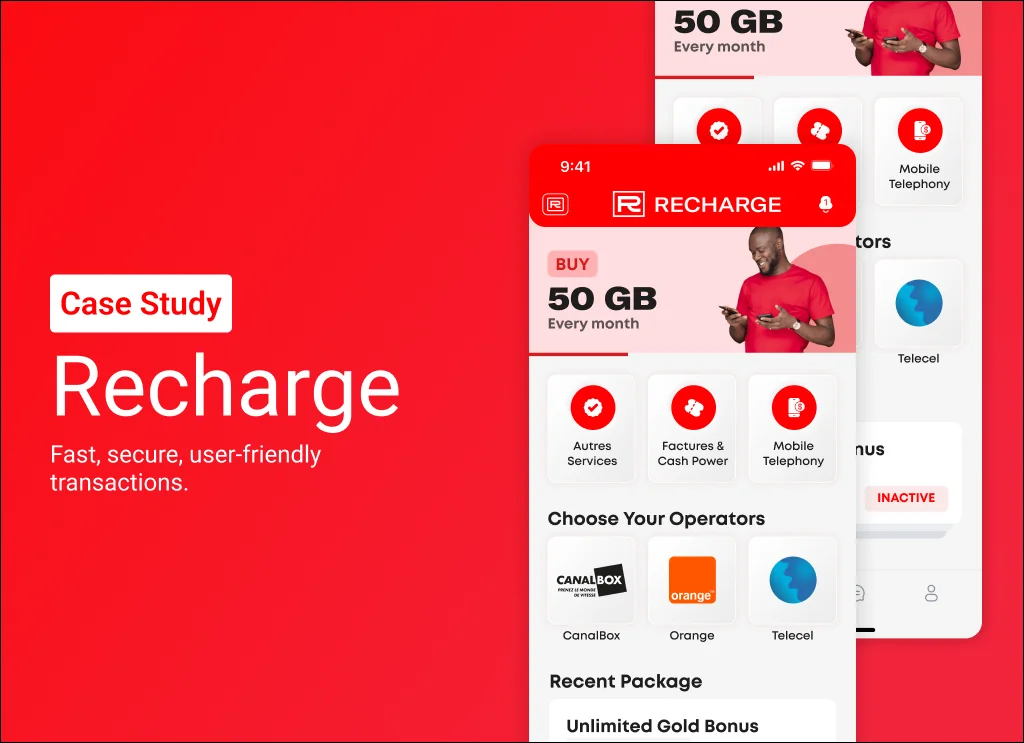
Recharge
Recharge App – Streamlining Mobile Top-Ups & Empowering Connectivity Overview Recharge App simplifies the process of topping up cellular network packages. It offers users an
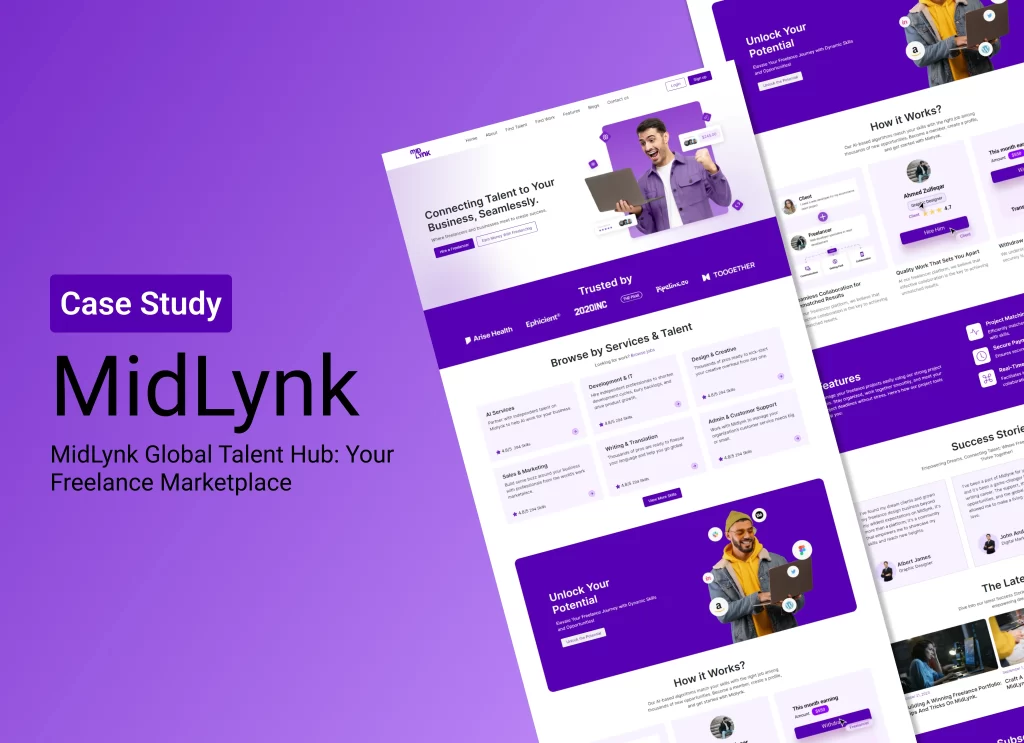
MidLynk – Your Freelance Marketplace
MidLynk – Connecting Talent with Endless Opportunities Overview MidLynk represents a transformative leap forward in the freelancing ecosystem, connecting clients and freelancers in a dynamic,

GYB Commerce blogs

CodeOps: A Smarter Way to Develop Software
Fundamentally, CodeOps is the concept of reusability applied to writing code, removing the burden of reinventing the wheel every time you write a line of

Meet Devin: Your New AI Companion in a World of Possibilities
Cognition has just launched Devin, a revolutionary AI software engineer, aiming to reshape how software development works. Devin’s arrival marks a new era in AI,

Choosing the Right Technology Partner: Key Headings to Consider
Finding the right technology partner for your agency may be a game-changer. But with so many alternatives available, how do you recognize which one is
Enterprise Business Intelligence Platforms That Power Data-Driven Organizations
Modern organizations depend on analytics infrastructure that transforms operational datasets into actionable insights. GYB Commerce designs enterprise business intelligence platforms that integrate data systems, automate reporting workflows, and deliver interactive analytics dashboards capable of supporting long-term data-driven strategy.