
Android App Development Service

Android App Development Service Built for Scalable, Secure Digital Products
Most organizations approach an android app development service as a coding engagement rather than an architectural decision. That mindset creates unstable releases, fragmented API integration, and long-term maintenance debt. GYB Commerce delivers android mobile application development services structured around mobile architecture patterns, backend alignment, and controlled Google Play deployment from day one. We design, develop, test, deploy, and maintain secure Android applications using Java, Kotlin, and the Android SDK within a governance-controlled engineering model.
Create Business Growth Through Structured Android App Development
Android app development is not only about building interfaces. It is about designing android app solutions that integrate seamlessly into the broader Android ecosystem and enterprise backend infrastructure.
When businesses invest in android app programming services without architectural validation, they often face:
Fragmented mobile UI/UX design across devices
Unstable API and backend integration layers
Performance bottlenecks under real-world load
Rework cycles during Play Store launch
Escalating maintenance overhead
Our android app development service prevents those risks by aligning every Android developer with system architecture before feature execution begins.
We focus on end-to-end development across the entire mobile app lifecycle, ensuring scalability, security, and predictable delivery outcomes.
Our Android App Development Services
Every business requires a custom feature set aligned with operational workflows and customer engagement objectives. We design custom android development frameworks that support modular growth and long-term maintainability.
Our Android developers build high-performance builds using Kotlin and Java within structured mobile architecture patterns. We evaluate concurrency models, memory management behavior, and API dependencies before implementation begins.
We do not simply develop apps. We engineer secure applications optimized for performance, extensibility, and governance across the Android ecosystem.
Organizations often require Android applications that connect internal systems, field operations, and distributed teams. Our android mobile application development services support enterprise mobility solutions with secure backend APIs and scalable architecture.
We integrate Android applications with CRM systems, ERP platforms, and proprietary data layers through structured API integration models. Hibernate-backed services and secure authentication flows ensure stable data synchronization.
The objective is not only deployment but operational continuity across large-scale mobile environments.
Mobile UI/UX defines user retention and adoption success. We design user-centric design systems aligned with Android Material standards while preserving brand identity.
Our team designs UI flows, prototypes, and interaction patterns that minimize friction across device types and screen resolutions. Mobile UI/UX design decisions are validated through rapid prototyping and performance testing cycles.
This structured approach ensures intuitive navigation, predictable behavior, and scalable design consistency across Android tablets, smartphones, and specialized devices.
Legacy Android applications often accumulate technical debt due to outdated SDK usage, fragmented Java implementations, and inconsistent API integration layers.
Our android app development service includes modernization initiatives that evaluate Kotlin vs Java refactoring strategies, modular restructuring, and security hardening practices.
We optimize performance, redesign outdated UI layers, and upgrade Android SDK compatibility while minimizing operational downtime.
Modernization is executed through controlled migration sprints to avoid instability during production transitions.
Native Android development remains the most stable approach for high-performance builds and deep device integration. We develop applications using Java, Kotlin, and Android SDK tools for technically robust implementations.
Where business objectives require broader platform support, we integrate cross-platform frameworks while preserving Android-native performance standards.
Our API-driven architecture ensures seamless integration with backend APIs, authentication services, payment gateways, and external data platforms.
This allows businesses to scale up product capabilities without compromising runtime performance.
Quality assurance tests are embedded within development cycles rather than treated as a post-build activity. Android developers test app releases across multiple device configurations, OS versions, and usage scenarios.
Performance optimization includes:
Memory profiling and runtime efficiency checks
Network latency validation across API calls
Battery usage benchmarking
UI responsiveness monitoring
We optimize app performance before deployment, ensuring stable production releases within the Play Store launch process.
Post-launch support includes structured monitoring, version updates, and feature backlog grooming aligned with long-term roadmap objectives.
Our Android App Development Process
Predictable outcomes require structured execution. Our android app development service follows a governance-driven five-phase model designed for technical alignment and scalable delivery.
Discovery and Architecture Alignment
We begin by evaluating business goals, backend systems, integration depth, and compliance requirements. Mobile architecture patterns are defined before development begins. This stage clarifies API dependencies, performance thresholds, and scalability expectations within the Android ecosystem.
UI/UX Strategy and Mobile Architecture Planning
Mobile UI/UX design is aligned with structural engineering decisions. UI flows are designed alongside backend APIs to prevent late-stage integration conflicts. We define modular component separation to enable future customization and feature expansion.
Development and API Integration
Android developers implement secure applications using Kotlin or Java based on system complexity and modernization strategy. API integration is performed through secure authentication and structured backend alignment. Developers integrate APIs efficiently while maintaining performance thresholds and data integrity controls.
Quality Assurance and Performance Validation
We conduct quality assurance tests at multiple checkpoints. Teams optimize mobile performance before each release candidate is approved. Testing includes device compatibility validation, load behavior analysis, and security verification within the Android SDK environment.
Google Play Deployment and Lifecycle Support
Google Play deployment requires controlled provisioning, metadata compliance, version management, and release governance. We manage the Play Store launch process to reduce rejection risks and rollout inconsistencies. After deployment, we maintain continuous optimization cycles through post-launch support and feature backlog grooming.
Android App Types We Build
Our android mobile application development services span diverse industries and operational models. We develop secure applications across:
Retail and mCommerce platforms
Healthcare and telemedicine systems
Financial services and digital banking
Logistics and supply chain management
Field service and inspection applications
Manufacturing and IoT monitoring systems
Real estate and property management platforms
Each solution is customized through API-driven architecture and scalable backend integration.
Skills and Technologies Powering Our Android App Development Service
Technical depth defines delivery quality. Our Android developers operate across the core Android ecosystem with structured expertise.
Programming Languages
- Java for stable legacy systems and structured enterprise implementations
- Kotlin for modern, scalable, and highly maintainable development
We assess Kotlin vs Java decisions based on architecture longevity and system constraints.
Core Android Technologies
- Android SDK
- Jetpack libraries
- Secure authentication frameworks
- Mobile architecture patterns
These technologies enable technically robust and highly scalable mobile applications.
Backend and API Integration
We integrate backend APIs using structured API-driven architecture principles. Hibernate-based services, REST integrations, and secure middleware layers ensure reliable data synchronization.
API and backend integration is designed for seamless integration across distributed systems.
Deployment and Monitoring
We manage Google Play deployment through controlled release governance. Monitoring frameworks track runtime stability, crash analytics, and performance metrics.
This ensures sustainable growth and measurable reliability across the Android ecosystem.
Delivery Models Compared for Android App Development Service
Selecting the right android app development service model determines scalability, architectural stability, and long-term control.
Here is a simplified three-column comparison:
Evaluation Area
Architecture Planning
API Integration
Google Play
Deployment
Scalability Strategy
Security Controls
Documentation & Continuity
Generic Android Agency
Feature-focused with limited long-term system alignment
Performed during development without structural mapping
Reactive submission handling
.
Depends on assigned developers
Often added during QA
Developer-dependent
GYB Commerce Android App Development Service
Architecture-first execution aligned with backend APIs
API-driven architecture planned before coding begins
Controlled release governance
and staged rollout
Modular mobile architecture patterns enforced
Embedded within development lifecycle
Governance-controlled knowledge transfer
How Much Does an Android App Development Service Cost?
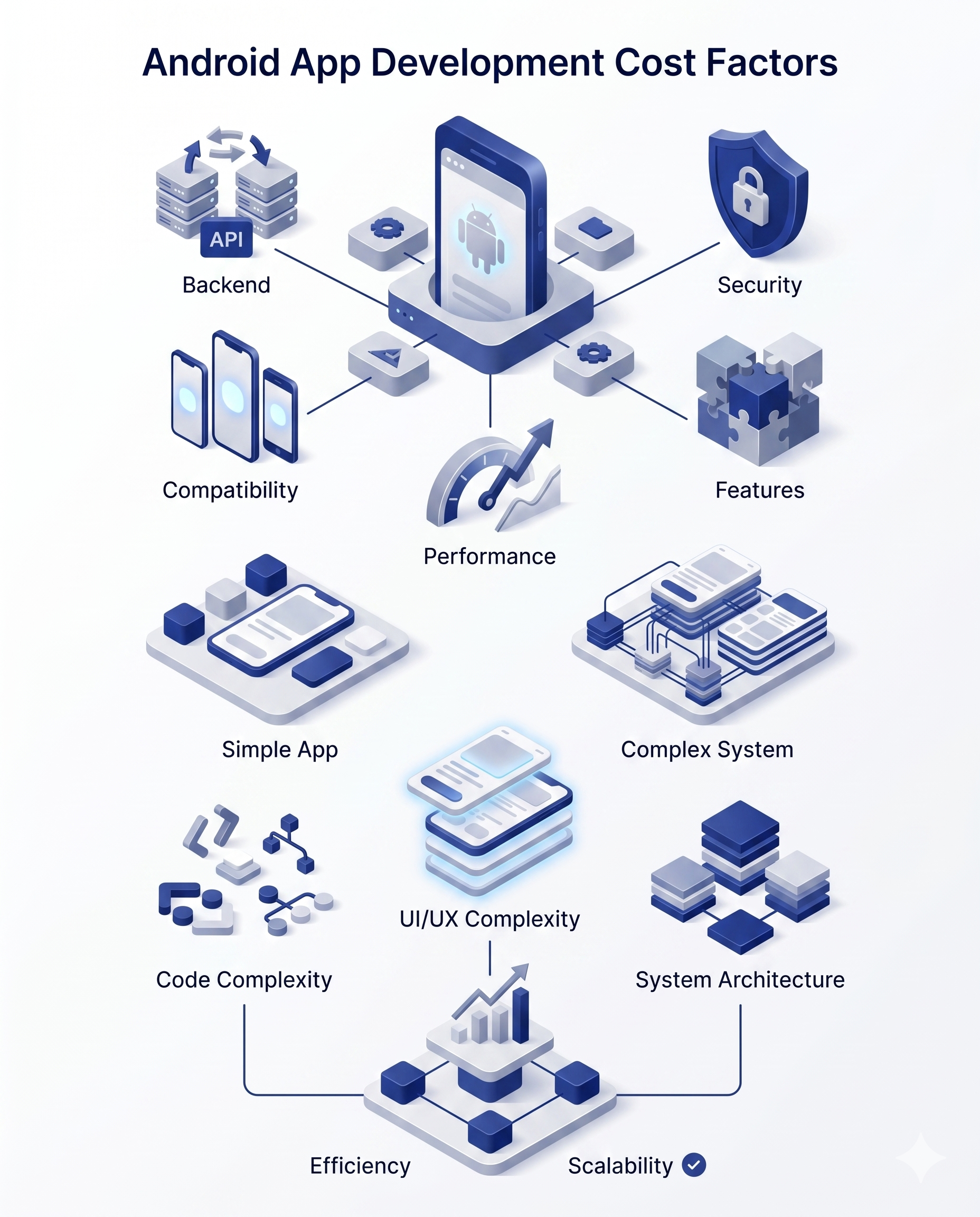
Cost in android app programming services is shaped by architecture depth, integration complexity, and compliance requirements rather than raw development hours.
Key cost drivers include:
- Backend API integration depth and data synchronization layers
- Security and regulatory compliance requirements
- Device compatibility and Android SDK version coverage
- Custom feature set complexity
- Performance optimization thresholds
Simple Android applications with limited API integration and standard UI flows typically require lower investment ranges. Complex, highly scalable solutions with advanced security requirements and enterprise integrations increase cost due to architectural rigor.
Mobile UI/UX complexity and native Android development decisions also influence timeline and budget. Kotlin vs Java decisions impact maintainability and modernization strategy, which affects long-term cost efficiency.
We provide structured cost modeling aligned with system architecture rather than speculative hourly estimations.
Case Study
Multi-Region Logistics Platform Stabilized Through Structured Android App Development Service
Business Context
A logistics organization operating across North America required a scalable Android application to support driver-side operations, route optimization, and real-time asset monitoring. Internal teams struggled with fragmented Java implementations and unstable API integration across backend services.
Technical Constraints
The application relied on multiple backend APIs, real-time data synchronization, and strict uptime requirements. Previous vendors delivered feature-rich builds without addressing architectural debt within the Android ecosystem. Performance bottlenecks surfaced during peak operational hours..
Architecture Strategy
We implemented a modular Kotlin-based structure while retaining select Java components for legacy compatibility. Android developers restructured API integration layers using secure middleware validation and optimized network handling. Mobile architecture patterns were standardized to separate UI logic from business logic.
Implementation Approach
Development was executed within structured sprint cycles under governance oversight. Quality assurance tests were embedded into each iteration, and performance optimization was validated under simulated peak loads. Google Play deployment was managed through controlled release staging to prevent operational disruption.
Measured Outcomes
Within six months, runtime crashes declined by 46 percent while app responsiveness improved by 38 percent during high-load operations. Deployment cycles shortened by 29 percent due to predictable Play Store launch governance.

Why GYB Commerce Is Positioned as the Best Android Development Company for Architecture-Led Execution
System-Level Technical Alignment
We evaluate backend systems, integration dependencies, and scalability objectives before onboarding Android developers. This prevents architectural drift and fragmented implementations. Android app development is treated as a structural product initiative rather than a transactional coding engagement.
Governance-Controlled Scaling
Scaling Android developers without continuity planning creates instability. We maintain structured documentation, sprint reporting, and knowledge transfer frameworks to support controlled scale up or scale down scenarios. This ensures operational continuity during team transitions.
API-Driven Architecture Discipline
Our android app development service emphasizes API-driven architecture across backend APIs, authentication systems, and distributed services. Seamlessly integrate mobile applications into complex system landscapes without compromising runtime performance or data integrity.
Transparent Performance and Delivery Reporting
Clients receive structured sprint metrics, performance benchmarks, and release readiness indicators. This visibility ensures measurable outcomes across the mobile app lifecycle. Delivery accountability is embedded into engineering execution rather than retroactively assessed.
What Clients Say About Working With Us


Frequently Asked Questions
Quick answers to the most common questions
How does your android app development service ensure long-term scalability?
Our android app development service begins with mobile architecture patterns aligned to backend APIs and scalability thresholds. This prevents structural bottlenecks that typically surface during rapid growth phases. We design modular components, optimize API integration layers, and enforce documentation discipline to support highly scalable expansion without destabilizing production environments.
What factors influence the cost of android mobile application development services?
Cost is determined by integration complexity, security requirements, custom feature set depth, and compliance obligations. Highly integrated systems with real-time data exchange require additional architectural validation. The android app development service investment reflects engineering rigor rather than simple feature volume, ensuring predictable long-term operational stability.
How do you manage Google Play deployment and compliance?
Google Play deployment is governed through structured release management, certificate validation, metadata compliance, and staged rollout procedures. This reduces rejection risk and version inconsistency issues. Our android app programming services include post-launch monitoring to maintain runtime stability after Play Store launch.
Do you develop applications using Kotlin or Java?
We evaluate Kotlin vs Java decisions based on legacy system dependencies, scalability objectives, and modernization strategy. Kotlin is preferred for highly scalable solutions, while Java remains viable for legacy alignment. Our Android developers maintain dual expertise to ensure stable native Android development across both languages.
How do you handle API and backend integration complexity?
API and backend integration is executed through structured middleware validation, secure authentication models, and performance benchmarking. We integrate APIs efficiently while maintaining data integrity controls. Backend alignment is validated during architecture planning rather than after feature development begins.
Can you modernize an existing Android application?
Modernization initiatives include refactoring Java modules, upgrading Android SDK compatibility, redesigning mobile UI/UX layers, and optimizing runtime performance. We execute controlled migration strategies to minimize downtime and preserve user continuity during transitions.
What security measures are embedded within your android app development service?
Security-first architecture includes encrypted data transmission, secure authentication frameworks, and compliance alignment with regulatory standards. Security controls are embedded during development rather than added after deployment. This approach strengthens long-term trust and protects sensitive user data across the Android ecosystem.
How do you ensure consistent performance across multiple Android devices?
Performance validation includes device compatibility testing, memory profiling, network latency benchmarking, and battery usage optimization. Android developers test app releases across diverse OS versions and hardware configurations. Optimization occurs before deployment to ensure high-performance builds under real-world usage conditions.
Partner with Us for Comprehensive IT
We’re happy to answer any questions you may have and help you determine which of our services best fit your needs.
Your benefits:
- Client-oriented
- Independent
- Competent
- Results-driven
- Problem-solving
- Transparent
What happens next?
We Schedule a call at your convenience
We do a discovery and consulting meting
We prepare a proposal
Schedule a Free Consultation
Technologies that we use.
Ready to reduce your technology cost?

Our success stories

SEGO- Upgrade Your Life
SEGO Teams Up with GYB Commerce for a Digital Makeover Overview The modern man’s lifestyle can survive without the use of smartphones, and they have
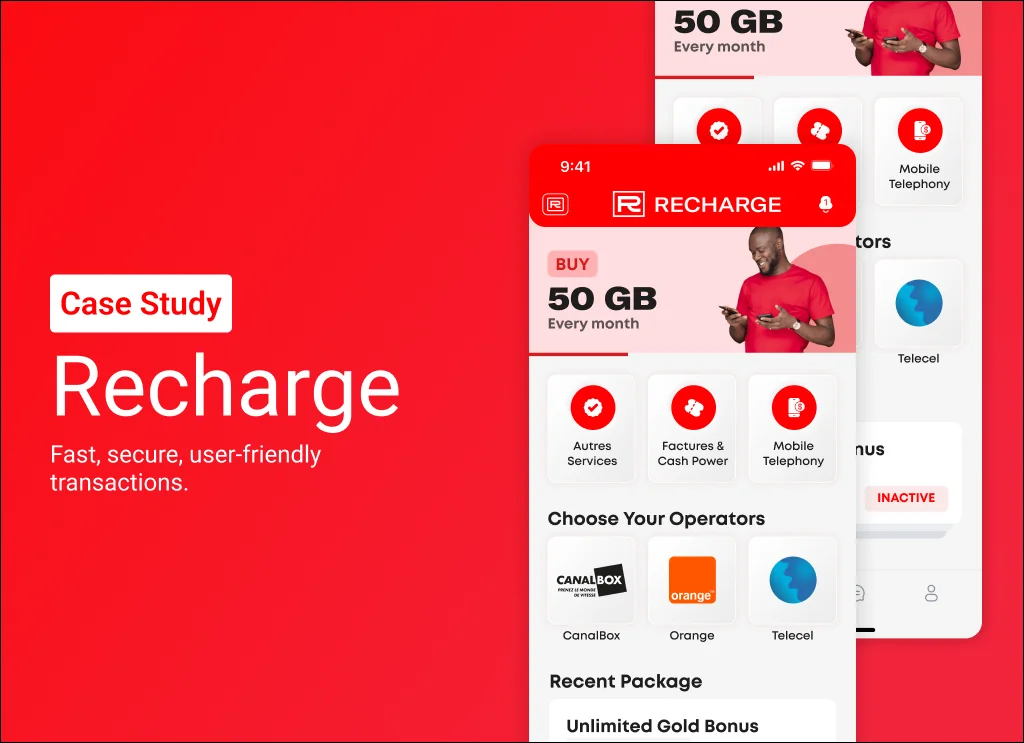
Recharge
Recharge App – Streamlining Mobile Top-Ups & Empowering Connectivity Overview Recharge App simplifies the process of topping up cellular network packages. It offers users an
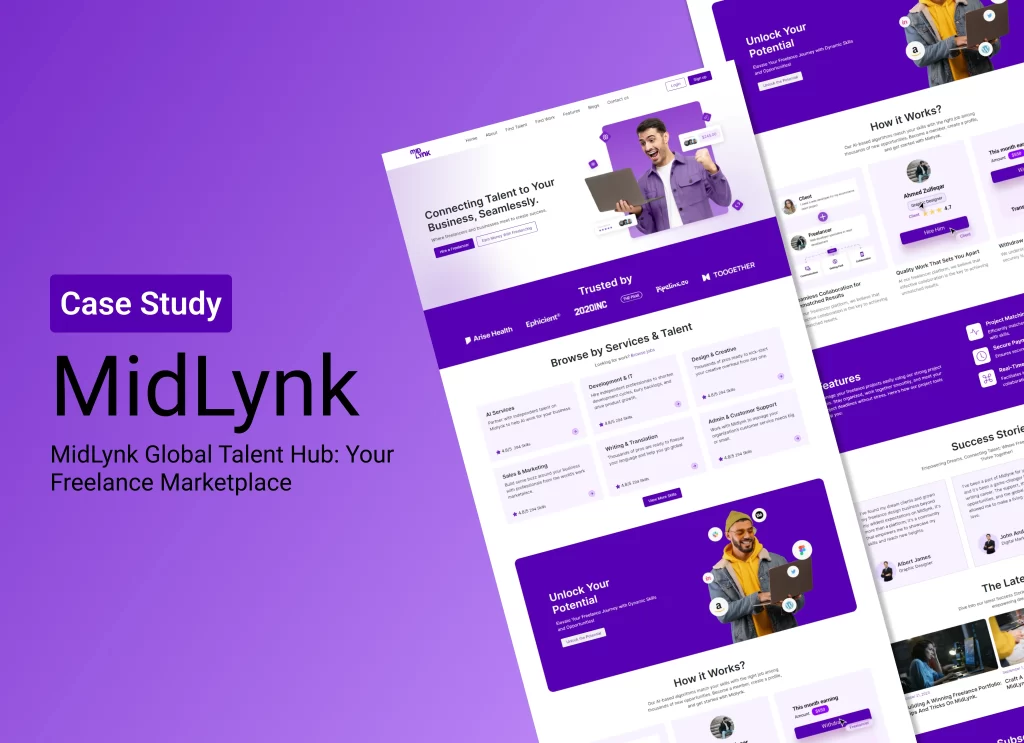
MidLynk – Your Freelance Marketplace
MidLynk – Connecting Talent with Endless Opportunities Overview MidLynk represents a transformative leap forward in the freelancing ecosystem, connecting clients and freelancers in a dynamic,
GYB Commerce blogs

Top Ecommerce Scalability Challenges And How Modern Commerce Platforms Solve Them
Many ecommerce platforms perform perfectly until rapid growth exposes the limitations hidden beneath the surface. Traffic isn’t what breaks an ecommerce business. Poor architecture does.

Marketplace Vs B2B Vs Traditional Ecommerce: Choosing The Right Business Model
The success of an ecommerce business often depends more on its core framework than the actual products it sells. Many founders invest heavily in software

How ERP CRM Integration Improve Ecommerce Operations And Customer Experience
Growing ecommerce businesses often struggle because their systems operate independently instead of working together. Every order touches multiple departments. Disconnected systems slow everything down. Modern
Structured Android Engineering Designed for Sustainable Digital Control
Android applications influence operational efficiency, customer engagement, and long-term scalability. An android app development service must therefore extend beyond coding into governance, architecture, and controlled lifecycle management.
GYB Commerce delivers technically robust, scalable solutions aligned with backend systems, compliance frameworks, and structured Google Play deployment standards.