


Headless Commerce Development Services Built for Scalable Digital Infrastructure
Headless commerce development services are not about trends. They are about control. Modern brands need flexibility at the frontend and stability at the backend. GYB Commerce delivers headless commerce development services that separate presentation from logic. We architect API-driven systems that scale without friction. As a headless commerce development company, we design decoupled ecosystems that perform under pressure and evolve without rewriting core systems.
What Is Headless Commerce and Why It Matters for Enterprise Growth
Headless Commerce refers to a Decoupled Architecture where the frontend presentation layer operates independently from the backend commerce engine. The two layers communicate through APIs. This separation of concerns gives enterprises complete flexibility over user experience while maintaining a stable transactional core.
In traditional monolithic systems, the frontend and backend are tightly coupled. Any change to one affects the other. Headless Commerce removes that dependency. The backend becomes a service layer. The frontend becomes an independent application built using modern frameworks such as React.js, Vue.js, or Angular.
An API-first architecture powers this structure. REST API and GraphQL endpoints expose commerce functionality securely. These APIs connect frontend applications, mobile apps, kiosks, marketplaces, and other digital touchpoints to the backend commerce engine.
For enterprises operating across channels, this architectural independence is critical. It enables faster innovation without risking operational stability.
Monolithic vs Headless Architecture
Architecture Model
Frontend Flexibility
Integration Capability
Scalability
Performance Optimization
Upgrade Risk
Omnichannel Readiness
Monolithic Architecture
Limited customization
Complex and rigid
Backend dependent
Platform constrained
High coupling risk
Limited
Headless Commerce Architecture
Fully decoupled frontend
API-driven and modular
Independent scaling layers
Frontend optimized separately
Minimal frontend disruption
Native omnichannel enablement
What Our Headless Commerce Development Services Include
Custom Headless Commerce Website Development Services
We develop custom digital storefronts that operate independently from backend systems. These storefronts are built using modern frontend frameworks such as React.js, Vue.js, and Angular. Each implementation follows a performance-first methodology. Our headless commerce website development services focus on creating high-performance storefronts that communicate with backend systems exclusively through APIs. This ensures frontend teams can innovate rapidly without disrupting backend commerce operations. We design scalable user interfaces that align with business goals. Every build supports growth, extensibility, and continuous iteration.
API Integration and Backend Connectivity
At the core of Headless Commerce lies API integration. The backend system exposes structured endpoints through REST API and GraphQL. These APIs serve as the communication bridge between frontend and backend systems. We integrate APIs to connect:
- Ecommerce Platform
- Content Management System (CMS)
- ERP systems
- CRM platforms
- Payment gateways
- Shipping providers
Structured API integration ensures systems plug into one another without friction. It removes manual processes. It improves data consistency. It enables automation across the commerce ecosystem. A properly implemented API-first approach allows your commerce engine to power multiple frontends simultaneously.
Microservices and Composable Commerce Implementation
Modern headless environments rely on Microservices architecture. Instead of one large application, the system is split into independent services. Each service handles a specific function.
This microservices approach improves scalability and operational resilience. Individual services can be updated, scaled, or replaced without affecting the entire system.
We implement composable commerce solutions that allow businesses to build out functionality modularly. This enables brands to move away from rigid legacy systems and adopt flexible service-oriented infrastructure.
Each microservice communicates through APIs. Each service can scale independently. This reduces bottlenecks and increases deployment agility.
Progressive Web App (PWA) Development
Headless storefronts often leverage Progressive Web App (PWA) technology. PWAs deliver app-like performance within the browser. They load faster. They support offline behavior. They improve storefront performance metrics.
We develop PWA-enabled frontends that enhance user engagement and reduce latency. Combined with decoupled backend systems, PWAs provide consistent performance across devices.
Performance optimization is embedded at the architecture level. Not treated as an afterthought..
Business Advantages of Headless Commerce Development Services
Headless commerce development services create measurable operational advantages:
- Faster time to market through independent frontend releases
- Improved storefront performance with optimized rendering layers
- Omnichannel experience across web, mobile, kiosks, and marketplaces
- Reduced upgrade friction due to separation of frontend and backend
- Long-term cost control through modular architecture
- Ability to scale rapidly without system-wide disruption
These advantages compound over time. Enterprises that adopt headless systems gain architectural leverage rather than temporary feature flexibility.
Headless Commerce Development Life Cycle
Professional headless commerce development services require disciplined execution. At GYB Commerce, our lifecycle framework ensures technical clarity from discovery to deployment.
Discovery and Architecture Planning
We begin by defining system requirements. Business goals are mapped against technical capabilities. We evaluate existing infrastructure, integration points, and scalability targets. This phase defines whether the system requires partial decoupling or full backend separation.
Frontend Framework Selection
Frontend frameworks are selected based on scalability needs and development maturity. Options often include React.js, Vue.js, or Angular. Each framework offers different rendering strategies and ecosystem strengths.
Framework selection impacts performance, developer velocity, and long-term maintainability.
API Mapping and Integration Design
We design API architecture before writing frontend logic. API endpoints are mapped. Data flow between systems is documented. Integration with CMS, ERP, and payment systems is structured clearly. This reduces future integration conflicts.
Commerce Engine Decoupling
We separate frontend logic from backend commerce functionality. The Ecommerce Platform becomes a transactional engine. The frontend becomes an independent application.
This is where the core separation of frontend and backend is implemented.
Storefront Development
Frontend development begins using selected frameworks. UI components are built as reusable modules. Performance optimization is embedded during development. Rendering strategies such as server-side rendering or static site generation are evaluated.
Performance Optimization
Storefront performance is optimized through asset compression, API caching, and infrastructure tuning. Backend endpoints are tested under load. Performance optimization occurs at both frontend and backend layers.
Testing and Deployment
Rigorous QA validates API connectivity, transaction flows, and performance metrics. Deployment occurs within structured Cloud Infrastructure environments. Post-deployment monitoring ensures system stability under real traffic conditions.
Headless Commerce Tech Stack and Architecture Overview
Headless systems rely on clearly defined architectural layers. Below is a typical enterprise stack.
Typical Headless Architecture Stack
Layer
Frontend Framework
Backend Runtime
Integration Layer
CMS Layer
Commerce Engine
Infrastructure
Technology Examples
React.js, Vue.js, Angular
Node.js
REST API, GraphQL
Content Management System (CMS)
Ecommerce Platform
Cloud Infrastructure
Role in Architecture
Presentation layer
Server-side logic
Data communication
Content management
Transaction processing
Hosting and scalability
Customer Success Stories
Multi-Channel Retail Brand Transitioning from Monolith to Decoupled Architecture
A national retail brand operating across web, mobile, and in-store kiosks approached GYB Commerce with a critical limitation. Their monolithic ecommerce platform restricted frontend innovation. Every design change required backend adjustments. Release cycles were slow. Performance scores were inconsistent across devices. We architected a fully decoupled Headless Commerce environment. The backend Ecommerce Platform remained intact as the commerce engine. The frontend was rebuilt using React.js and structured around an API-first approach. All transactional data flowed through REST API endpoints. Content was delivered through a connected Content Management System (CMS). We implemented a microservices architecture to separate catalog management, checkout services, and customer authentication. The system was deployed on scalable Cloud Infrastructure with controlled API caching layers. After rollout, frontend release cycles were reduced significantly. Storefront performance metrics improved. The business could build out new campaign pages independently without backend code modifications. The transition enabled omnichannel consistency while maintaining operational stability.
B2B Distributor Scaling with API-Driven Headless Infrastructure
An industrial B2B distributor faced limitations integrating ERP workflows into their legacy commerce stack. Their existing system lacked clean integration endpoints. Performance degraded during high-volume procurement cycles.
GYB Commerce implemented headless commerce development services to restructure the environment. We decoupled the frontend presentation layer and introduced GraphQL endpoints for real-time product availability queries. ERP connectivity was rebuilt using structured API integration. CRM synchronization was established to automate customer segmentation and pricing logic.
The new frontend was developed using Vue.js. Backend services were organized into modular microservices to isolate procurement workflows from customer-facing components. Node.js was used for server-side orchestration.
Post-implementation, order processing errors were eliminated. API response time improved. Procurement clients experienced consistent performance during peak cycles. The distributor could scale up operations without system instability.
Why Choose GYB Commerce as Your Headless Commerce Development Company
Architecture-First Implementation Strategy
GYB Commerce does not treat headless commerce development services as frontend redesign projects. We begin with system architecture. We define separation of concerns before development begins. This approach reduces rework. It prevents backend dependency conflicts. It ensures frontend innovation does not compromise transaction integrity.
Deep API and Microservices Expertise
Headless systems depend on structured API integration. Our teams architect REST API and GraphQL frameworks with clear versioning strategies. We implement Microservices architecture to isolate system components. This reduces deployment risk. It enables independent scaling. It streamlines business operations across digital channels.
Performance Optimization Embedded at System Level
Performance optimization is not limited to frontend rendering. We optimize storefront performance by refining API response times, compressing assets, and tuning backend endpoints. We design high-performance storefronts that perform efficiently across mobile and desktop environments. This improves engagement and conversion stability.
Omnichannel Commerce Enablement
Headless Commerce enables omnichannel commerce. We build systems that plug into mobile applications, kiosks, marketplaces, and third-party integrations simultaneously. A single backend commerce engine can power multiple frontend experiences. This enables unified brand consistency across channels.
Future-Ready Composable Commerce Solutions
Composable commerce solutions allow businesses to build out functionality modularly. We design cloud-native solutions that allow enterprises to move away from monolithic dependencies. This ensures long-term scalability. It allows organizations to double down on innovation without infrastructure bottlenecks.
What Clients Say About Working With Us
Frequently Asked Questions
Quick answers to the most common questions
What are headless commerce development services?
Headless commerce development services involve separating the frontend presentation layer from the backend commerce engine. The frontend communicates with backend systems through APIs such as REST API or GraphQL. This architecture allows businesses to develop flexible digital storefronts without altering backend transactional systems.
How does headless commerce differ from traditional ecommerce architecture?
Traditional ecommerce systems use tightly coupled frontend and backend layers. Any frontend change impacts backend code. In Headless Commerce, the frontend and backend operate independently. This separation of frontend and backend enables faster releases, easier integrations, and scalable infrastructure.
Which technologies are commonly used in headless commerce development?
Headless commerce development commonly uses frontend frameworks like React.js, Vue.js, and Angular. Backend orchestration often uses Node.js. Integration relies on REST API and GraphQL. Systems are deployed within Cloud Infrastructure environments for scalability and performance stability.
Can I use my existing ecommerce platform in a headless setup?
Yes. An existing Ecommerce Platform can function as the backend commerce engine. Through API integration, it can connect to a decoupled frontend. This allows businesses to move away from monolithic frontends without replacing their entire commerce system.
How long does it take to implement headless commerce development services?
Implementation timelines depend on complexity. Factors include integration depth, microservices restructuring, and frontend customization scope. Enterprise-level projects require structured discovery, architecture planning, development, testing, and deployment phases to ensure stability.
Partner with Us for Comprehensive IT
We’re happy to answer any questions you may have and help you determine which of our services best fit your needs.
Your benefits:
- Client-oriented
- Independent
- Competent
- Results-driven
- Problem-solving
- Transparent
What happens next?
We Schedule a call at your convenience
We do a discovery and consulting meting
We prepare a proposal
Schedule a Free Consultation
Technologies that we use.
Ready to reduce your technology cost?
Our success stories
SEGO- Upgrade Your Life
SEGO Teams Up with GYB Commerce for a Digital Makeover Overview The modern man’s lifestyle can survive without the use of smartphones, and they have
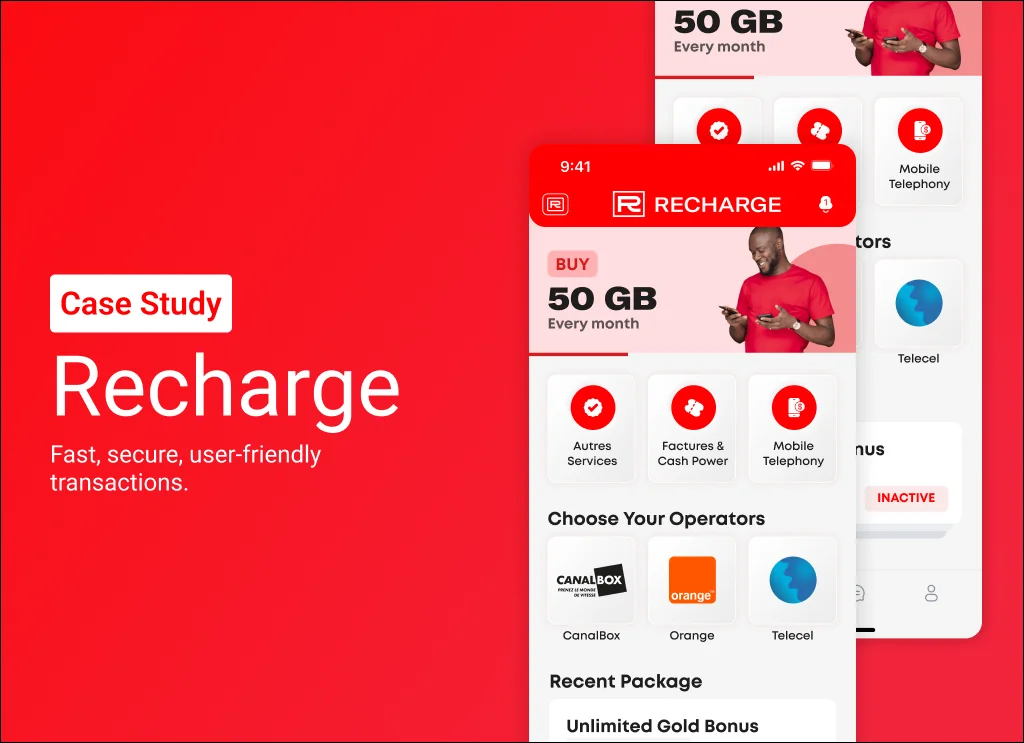
Recharge
Recharge App – Streamlining Mobile Top-Ups & Empowering Connectivity Overview Recharge App simplifies the process of topping up cellular network packages. It offers users an
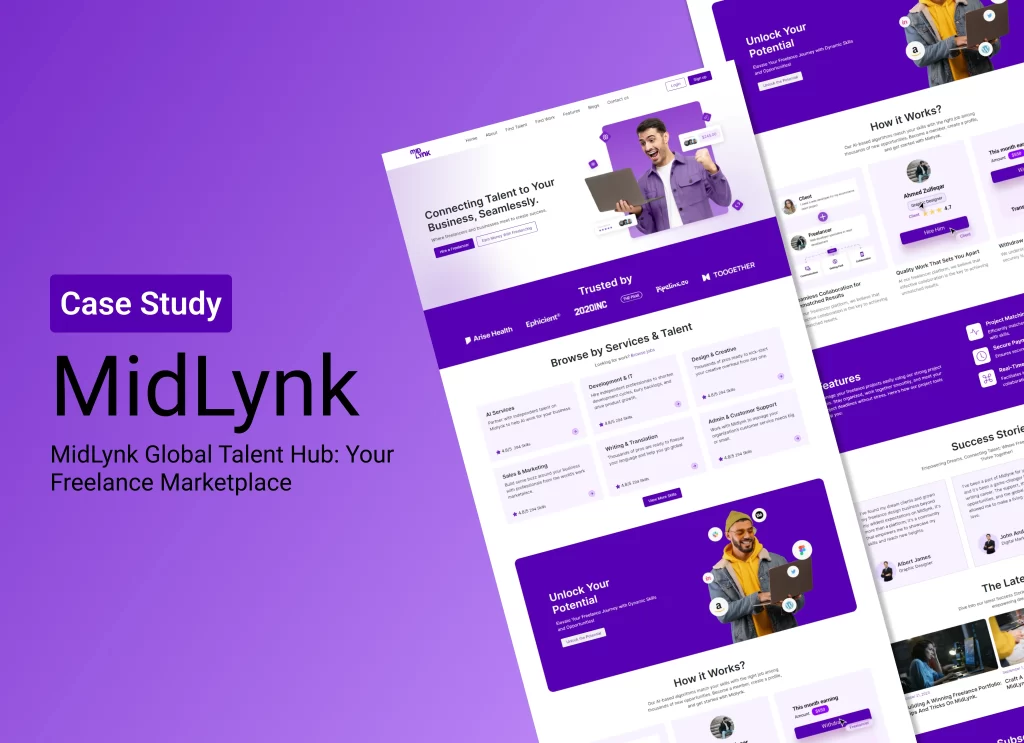
MidLynk – Your Freelance Marketplace
MidLynk – Connecting Talent with Endless Opportunities Overview MidLynk represents a transformative leap forward in the freelancing ecosystem, connecting clients and freelancers in a dynamic,
GYB Commerce blogs

CodeOps: A Smarter Way to Develop Software
Fundamentally, CodeOps is the concept of reusability applied to writing code, removing the burden of reinventing the wheel every time you write a line of

Meet Devin: Your New AI Companion in a World of Possibilities
Cognition has just launched Devin, a revolutionary AI software engineer, aiming to reshape how software development works. Devin’s arrival marks a new era in AI,

Choosing the Right Technology Partner: Key Headings to Consider
Finding the right technology partner for your agency may be a game-changer. But with so many alternatives available, how do you recognize which one is
Build Scalable Infrastructure with Headless Commerce Development
Headless Commerce is not simply a design upgrade. It is an infrastructure transformation. Businesses that implement headless commerce development services gain architectural flexibility, performance resilience, and omnichannel scalability.
GYB Commerce delivers headless commerce development services built around API-driven architecture, microservices implementation, and scalable infrastructure design.
If your organization is ready to move away from monolithic constraints and adopt a future-ready platform, our team is prepared to architect and deploy a fully decoupled commerce environment aligned with your growth objectives.