



Build Structured Multi-Vendor Commerce Ecosystems That Scale With Control
As an ecommerce marketplace development company, GYB Commerce engineers scalable multi-vendor ecosystems designed for controlled growth. We develop enterprise marketplace platforms that manage vendor governance, commission logic, payment orchestration, and operational workflows under a unified architecture. Whether B2B, B2C, or hybrid commerce, our ecommerce marketplace development services focus on scalable infrastructure, transaction control, and long-term system stability. This is not marketplace plugin configuration. It is structured marketplace engineering built to scale efficiently and perform reliably.
What Is a Multi-Vendor Marketplace?
A multi-vendor marketplace is a commerce platform where multiple independent sellers operate under a single marketplace owner’s infrastructure. Unlike a traditional ecommerce store with one merchant and many customers, a marketplace introduces layered operational roles and financial orchestration.
At its core, a structured marketplace ecosystem includes:
- Marketplace owner governing rules and transactions
- Vendors managing products and fulfillment
- Buyers transacting within a unified system
In advanced enterprise environments, additional operational layers are engineered, including commission management systems, dispute workflows, vendor dashboards, and shipping integrations. The complexity does not sit in the storefront. It sits within governance logic and system orchestration.
Marketplace owners manage vendor operations. Businesses launch multi-vendor marketplaces to expand product assortment without holding inventory. But growth without structured architecture leads to vendor chaos, payout errors, and operational instability. Marketplace development must enforce control over transactions, permissions, and financial flows from the start.
How to Create an Online Marketplace?
Creating a scalable online marketplace requires architectural planning beyond simple storefront development. The objective is to build a system that connects buyers and sellers while preserving centralized control over transactions and operational rules.
Enterprise ecommerce marketplace development is governed by three structural pillars:
Business Model Engineering
Commission logic, subscription tiers, listing fees, or hybrid monetization models must be architected before development begins. The revenue structure influences system workflows and payout engines.
Vendor Governance Infrastructure
Vendor onboarding, verification controls, role-based permissions, and performance monitoring must be embedded into the platform core to streamline vendor operations and maintain marketplace integrity.
Transaction and Integration Architecture
Payment gateway integration, split settlements, tax calculations, order routing, and API integration with third-party systems must function as a synchronized ecosystem. Marketplace platforms must scale up without compromising reliability. Marketplace owners often underestimate how operational complexity compounds as vendor count increases. Ecommerce marketplace development must anticipate scale, not react to it.
B2C Marketplace Development
B2C marketplace development focuses on connecting multiple sellers directly to consumers within a centralized retail environment. Customers expect seamless product discovery, trusted vendor ratings, unified checkout, and consistent fulfillment experiences.
A scalable online marketplace in B2C environments must integrate vendor microsites, centralized commission management, and structured product moderation workflows. The system must bring together independent sellers while preserving control over branding, transaction security, and customer experience.
B2C marketplace development also requires performance governance. Traffic spikes during promotions must not destabilize infrastructure. Vendor dashboards must enable efficient catalog management without creating backend strain. Architecture must support rapid scale without sacrificing reliability.
B2B Marketplace Development
B2B marketplace development introduces layered transaction complexity beyond consumer commerce. Bulk ordering, tiered pricing, purchase order workflows, and request-for-quote mechanisms require structured backend engineering.
B2B marketplaces must manage:
- Role-based buyer permissions
- Contract pricing and negotiated rates
- Approval-based purchasing workflows
Enterprise marketplace solutions in B2B ecosystems demand integration with ERP systems, accounting modules, and supply chain logic. Commission structures differ from B2C. Vendor verification and customer approval processes become critical.
Marketplace owners manage vendor operations while maintaining compliance and operational clarity. Without disciplined development, B2B marketplaces become operationally fragmented.
Headless Marketplace Development
Headless marketplace development separates frontend presentation from backend commerce logic. This architecture enables marketplace owners to customize user interfaces independently from vendor management systems.
A headless-enabled marketplace supports:
- API-driven integrations
- Omnichannel deployment
- Progressive web applications
- Mobile-first marketplace experiences
However, headless architecture increases integration complexity. API orchestration must be engineered carefully to prevent latency between vendor actions and customer-facing updates. When implemented correctly, headless ecommerce marketplace development provides flexibility without compromising system control.
Ecommerce Marketplace Development Services by GYB Commerce
GYB Commerce delivers ecommerce marketplace development services engineered for enterprise scalability. We develop marketplace platforms that connect buyers and sellers through governed infrastructure rather than fragmented extensions.
Custom Multi-Vendor Marketplace Architecture
We design and develop custom multi-vendor marketplace architecture tailored to your business model. Vendor onboarding workflows, product governance rules, commission logic, and transaction orchestration are engineered into the core system rather than layered through plugins. This ensures structural clarity and long-term scalability.
Commission Management and Payout Automation
Commission management systems are developed with precise rule-based logic aligned to your monetization strategy. Whether percentage-based commissions, tiered vendor subscriptions, or hybrid fee structures, payout automation is configured to ensure financial accuracy, transparency, and operational efficiency.
Vendor Dashboard and Administrative Control Panels
A robust vendor dashboard is central to scalable marketplace operations. We build vendor portals that allow sellers to manage catalogs, track orders, monitor payouts, and analyze performance metrics without compromising system integrity. Administrative control panels provide marketplace owners with full visibility and governance over transactions, disputes, and vendor activity.
Payment Gateway Integration and Split Settlement Logic
Marketplace payment flows require split settlements and centralized control over transactions. We integrate payment gateways with secure multi-party settlement logic to ensure commissions are deducted automatically and vendor payouts are processed reliably. Refund workflows and dispute handling are structured to protect marketplace integrity.
Order Management System and Workflow Automation
We engineer automated order management systems that synchronize vendor operations, shipping modules, and fulfillment processes. Marketplace owners maintain control over transaction flow while vendors operate independently within governed parameters. Workflow automation reduces operational complexity as the marketplace scales up.
API Integration and Scalable Cloud Deployment
Marketplace ecosystems depend on API integration with ERP systems, shipping providers, tax engines, and third-party services. We build scalable cloud-based infrastructure designed to perform reliably under increasing vendor and transaction volume. Performance governance, security hardening, and role-based access control are embedded into deployment. We develop marketplace platforms designed to accelerate marketplace growth while preserving operational control. Each system is tailored to business objectives and built to scale with your business.
B2C Marketplace Customer Success Stories
Enterprise ecommerce marketplace development must demonstrate measurable operational and financial impact. The following engagements illustrate how structured marketplace engineering transforms vendor ecosystems into scalable revenue platforms.
National Retail Marketplace Consolidation
A national retail group approached GYB Commerce to replace fragmented vendor microsites with a unified multi-vendor marketplace platform. The organization previously relied on disconnected storefronts with inconsistent commission tracking and manual payout reconciliation. Architectural fragmentation created operational inefficiencies. Vendor onboarding was inconsistent. Order management was siloed. Payment settlement delays caused vendor dissatisfaction. We developed a centralized ecommerce marketplace platform with commission automation, unified checkout orchestration, and vendor dashboard standardization. API integration synchronized inventory and shipping data across vendors while maintaining centralized financial control. Within two quarters, vendor onboarding time decreased significantly. Operational overhead was reduced through automated payout processing. Customer conversion rates improved due to unified checkout and consistent UX governance. The marketplace scaled efficiently without operational bottlenecks.
B2B Multi-Vendor Distribution Marketplace
A manufacturing consortium required a structured B2B marketplace development initiative to enable suppliers to sell bulk inventory under governed workflows. The legacy environment lacked role-based permissions and purchase order approval systems. Bulk ordering logic was inconsistent. Pricing tiers were manually applied. ERP synchronization was unreliable. We engineered a scalable enterprise marketplace solution with contract-based pricing engines, request-for-quote workflows, and automated order management system integration. Vendor dashboards were tailored for wholesale operations. API integration ensured real-time inventory validation. The result was improved operational clarity across suppliers and buyers. Transaction errors declined. Marketplace owners gained control over commission logic and reporting. The platform became responsible for marketplace growth rather than limiting expansion.
Why Choose GYB Commerce as Your Ecommerce Marketplace Development Company
Choosing an ecommerce marketplace development company requires evaluating architectural discipline, not feature quantity.
Architecture-First Marketplace Engineering

Integration-Driven Development
Controlled Multi-Vendor Governance
Scalable Infrastructure Commitment
Custom Enterprise Marketplace Solutions
Scalable Infrastructure Commitment
How GYB Commerce Differentiates in Ecommerce Marketplace Development
Evaluation Area
Strategic Foundation
Vendor Governance
Payment Logic
Scalability Planning
Integration Depth
Operational
Control
GYB Commerce Approach
Architecture-led marketplace engineering
Structured onboarding and commission automation
Integrated split settlement architecture
Cloud-based scalable architecture
API-driven ERP and shipping synchronization
Centralized transaction governance
.
Typical Marketplace Provider
Template-based setup
Manual vendor management
Third-party patchwork tools
Limited growth planning
Post-launch integration fixes
Fragmented control
systems
What Clients Say About Working With Us
We believe in transparency. Here is honest feedback from leaders who trusted us with their infrastructure.
Frequently Asked Questions
Quick answers to the most common questions
What is ecommerce marketplace development?
Ecommerce marketplace development refers to building a multi-vendor commerce platform where multiple sellers operate under centralized governance. It involves vendor management systems, commission logic, payment orchestration, order management automation, and scalable infrastructure design.
How does multi vendor ecommerce development differ from a regular online store?
Multi vendor ecommerce development introduces additional operational layers such as vendor dashboards, split payment settlements, commission tracking, and dispute resolution workflows. Unlike a single-store model, marketplace platforms require governance architecture to manage multiple independent sellers within one ecosystem.
How long does ecommerce marketplace development take?
Timelines vary based on vendor complexity, integration depth, and feature requirements. Enterprise marketplace development projects typically span several months due to vendor governance modeling, API integration, and system validation requirements.
Can you develop B2B and B2C marketplace platforms
Yes. B2B marketplace development requires bulk ordering logic, pricing tiers, and approval workflows. B2C marketplace development focuses on consumer experience, vendor ratings, and unified checkout. Each model requires a distinct architectural design.
What makes a scalable online marketplace?
A scalable online marketplace is built on cloud-based infrastructure with structured vendor governance, automated commission management, and API integration across shipping and ERP systems. Scalability depends on architectural planning rather than feature accumulation.
Partner with Us for Comprehensive IT
We’re happy to answer any questions you may have and help you determine which of our services best fit your needs.
Your benefits:
- Client-oriented
- Independent
- Competent
- Results-driven
- Problem-solving
- Transparent
What happens next?
We Schedule a call at your convenience
We do a discovery and consulting meting
We prepare a proposal
Schedule a Free Consultation
Technologies that we use.
Ready to reduce your technology cost?
Our success stories
SEGO- Upgrade Your Life
SEGO Teams Up with GYB Commerce for a Digital Makeover Overview The modern man’s lifestyle can survive without the use of smartphones, and they have
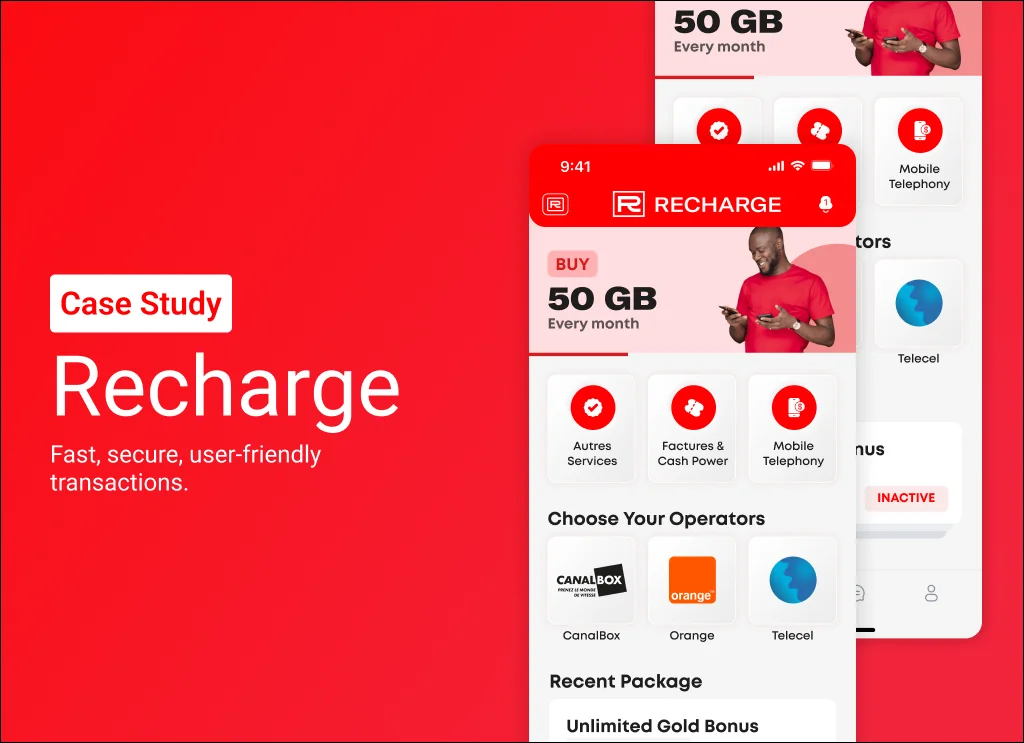
Recharge
Recharge App – Streamlining Mobile Top-Ups & Empowering Connectivity Overview Recharge App simplifies the process of topping up cellular network packages. It offers users an

MidLynk – Your Freelance Marketplace
MidLynk – Connecting Talent with Endless Opportunities Overview MidLynk represents a transformative leap forward in the freelancing ecosystem, connecting clients and freelancers in a dynamic,

GYB Commerce blogs

CodeOps: A Smarter Way to Develop Software
Fundamentally, CodeOps is the concept of reusability applied to writing code, removing the burden of reinventing the wheel every time you write a line of

Meet Devin: Your New AI Companion in a World of Possibilities
Cognition has just launched Devin, a revolutionary AI software engineer, aiming to reshape how software development works. Devin’s arrival marks a new era in AI,

Choosing the Right Technology Partner: Key Headings to Consider
Finding the right technology partner for your agency may be a game-changer. But with so many alternatives available, how do you recognize which one is
Engineered Marketplace Infrastructure That Scales With Control!
GYB Commerce develops enterprise marketplace platforms designed to connect buyers and sellers while preserving control over transactions and operational clarity.